Posts Tagged ‘vaccine’

Lassa, come home!

21 October, 2010

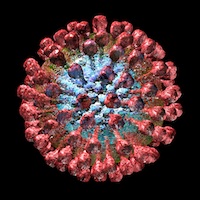
Lassa virus: image copyright Russell Kightley Media

Lassa fever is a nasty acute viral haemorrhagic fever (HF), caused by Lassa virus.  This is a member of the genus Arenavirus, family Arenaviridae, comprising a collection of 2-component ss(-)RNA enveloped viruses which also includes Lymphocytic choriomeningitis virus – a favourite model organism – and a host of South American HF viruses.  It is also a BSL-4 pathogen, or “hot virus” – one that needs to be worked with in a spacesuit environment, meaning it is pretty difficult to study in the lab.

Arenaviruses are interesting for molecular virologists because of they are one of several ssRNA(-)RNA viruses with “ambisense” genomes, meaning their genomic RNAs have stretches which can be directly read into protein by ribosomes, instead of having to be transcribed first.

The virus and the fever are endemic in the West African countries of Nigeria – from where it was first described in 1969 – Sierra Leone, Liberia, Guinea and the Central African Republic, but almost certainly occur more widely.  There are an estimated 300 000 cases a year, with 5 000 deaths attributed to the virus annually – again, probably an underestimate, as in epidemics mortality can go up to 50%.  The virus is vectored by what is probably the most common type of rodent in equatorial Africa, multimammate rats in the genus Mastomys, mainly via aerosolised faces and urine, which contain high concentrations of virions.  The rat can maintain infection as a persistent asymptomatic state.  It is also possible to spread the disease from person to person, via body fluids.

The CDC has this to say about Lassa fever:

In areas of Africa where the disease is endemic (that is, constantly present), Lassa fever is a significant cause of morbidity and mortality. While Lassa fever is mild or has no observable symptoms in about 80% of people infected with the virus, the remaining 20% have a severe multisystem disease. Lassa fever is also associated with occasional epidemics, during which the case-fatality rate can reach 50%.

While this may seem to be of mild interest only to the international community – after all, it is a seasonal disease limited to one part of Africa, and only 5 000 people die annually, compared to 400 000+ for influenza – it is and remains a nasty disease, with significant side effects, which include temporary or permanent deafness in those who recover – various degrees of deafness occur in up to one-third of cases – and spontaneous abortion of about 95% of third trimester foetuses in infected mothers, and a death rate of >80% in the women.  Moreover, while the term “limited to West Africa” may make it sound of local interest only, it is worth noting that that part of Africa is bigger than the whole of Western Europe – in fact, it’s the size of the whole of the USA – and is home to close to 200 million people.  Moreover, there is serious concern that the incidence of Lassa fever may be increasing, and that it is emerging from its endemic regions into newer pastures with changing regional weather patterns.  However, while fears of rampant spread via air travel do exist, like “Ebola Preston“, these are largely scare stories – which are admirably efficiently debunked here.

A tragic fact about Lassa fever is that it is treatable with drugs, if caught early: JB McCormick and others showed in 1986 that intravenous ribavirin given within 6 days of the onset of fever reduced mortality of patients with a serum aspartate aminotransferase level greater than or equal to 150 IU per litre at the time of hospital admission, from 55% to 5% – whereas patients whose treatment began seven or more days after the onset of fever had a case-fatality rate of 26 percent.  Moreover, oral ribavirin was also effective in patients at high risk of death.

So WHY isn’t ribavirin distributed widely and freely in West Africa for use in clinics??  Why, indeed…that doyen of the US biowarfare / hot virus community, CJ Peters, had this to say in an online book:

Both antiviral vaccines and drugs suffer from major development problems. They would require an expensive developmental effort that has never been able to attract industrial support based on disease activity in endemic areas, even when the U.S. Department of Defense has expressed an interest and provided an additional market.

In other words, no-one would manufacture it for a market that couldn’t pay for it in a sustainable way – another of the unacceptable faces of modern capitalism.

There is hope, however – people are working on vaccines, and there have been significant successes in primate models: in 2005, Geisbert et al. described a

“…replication-competent vaccine against Lassa virus based on attenuated recombinant vesicular stomatitis virus vectors expressing the Lassa viral glycoprotein. A single intramuscular vaccination of the Lassa vaccine elicited a protective immune response in nonhuman primates against a lethal Lassa virus challenge. Vaccine shedding was not detected in the monkeys, and none of the animals developed fever or other symptoms of illness associated with vaccination. The Lassa vaccine induced strong humoral and cellular immune responses in the four vaccinated and challenged monkeys. Despite a transient Lassa viremia in vaccinated animals 7 d after challenge, the vaccinated animals showed no evidence of clinical disease.”

Very promising, at first glance.  This is, however, a live virus vaccine – with all of the attendant problems of purification of whole virus, contamination, manufacture, cold chain – and cost….  Given the recent global experience with virus vaccines both live and dead – and recent rotavirus and papillomavirus vaccines would be excellent recent examples, with unit costs at over US$40 per shot  – this vaccine will not debut, if it does so at all, at a cost that is even remotely affordable in the target market in West Africa.

Unless the target market is in fact the US military – which, given the fact that the lead author’s address is given as “Virology Division, United States Army Medical Research Institute of Infectious Diseases, Fort Detrick”, can be considered quite likely.

Another more recent, and – to my biased mind at least – more promising candidate vaccine, is one described by Luis M Branco et al. in a brand-new Virology Journal article.  This one is also associated with the US military –  with 3 of 11 authors with addresses “@usarmy.mil” – but describes a virus-like particle vaccine candidate rather than a recombinant live virus.

Lassa virus-like particles displaying all major immunological determinants as a vaccine candidate for Lassa hemorrhagic fever

Virology Journal 2010, 7:279 doi:10.1186/1743-422X-7-279

Published: 20 October 2010

Luis M Branco, Jessica N Grove, Frederick J Geske, Matt L Boisen, Ivana J Muncy, Susan A Magliato, Lee A Henderson, Randal J Schoepp, Kathleen A Cashman, Lisa E Hensley and Robert F Garry

Background

Lassa hemorrhagic fever (LHF) is a neglected tropical disease with significant impact on the health care system, society, and economy of Western and Central African nations where it is endemic. Treatment of acute Lassa fever infection with intravenous Ribavirin, a nucleotide analogue drug, is possible and greatly efficacious if administered early in infection. However, this therapeutic platform has not been approved for use in LHF cases by regulatory agencies, and the efficacy of oral administration has not been demonstrated. Therefore, the development of a robust vaccine platform generated in sufficient quantities and at a low cost per dose could herald a subcontinent-wide vaccination program. This would move Lassa endemic areas toward the control and reduction of major outbreaks and endemic infections. To date, several potential new vaccine platforms have been explored, but none have progressed toward clinical trials and commercialization. To this end, we have employed efficient mammalian expression systems to generate a Lassa virus (LASV)-like particle (VLP)-based modular vaccine platform.

Results

A mammalian expression system that generated large quantities of LASV VLP in human cells at small scale settings was developed. These VLP contained the major immunological determinants of the virus: glycoprotein complex, nucleoprotein, and Z matrix protein, with known post-translational modifications. The viral proteins packaged into LASV VLP were characterized, including glycosylation profiles of glycoprotein subunits GP1 and GP2, and structural compartmentalization of each polypeptide. The host cell protein component of LASV VLP was also partially analyzed, namely glycoprotein incorporation, though all host cell components remain largely unknown. All combinations of LASV Z, GPC, and NP proteins that generated VLP did not incorporate host cell ribosomes, a known component of native arenaviral particles, despite detection of small RNA species packaged into pseudoparticles. Although VLP did not contain the same host cell components as the native virion, electron microscopy analysis demonstrated that LASV VLP appeared structurally similar to native virions, with pleiomorphic distribution in size and shape. LASV VLP that displayed GPC or GPC+NP were immunogenic in mice, and generated a significant IgG response to individual viral proteins over the course of three immunizations, in the absence of adjuvants. Furthermore, sera from convalescent Lassa fever patients recognized VLP in ELISA format, thus affirming the presence of native epitopes displayed by the recombinant pseudoparticles.

Conclusions

These results established that modular LASV VLP can be generated displaying high levels of immunogenic viral proteins, and that small laboratory scale mammalian expression systems are capable of producing multi-milligram quantities of pseudoparticles. These VLP are structurally and morphologically similar to native LASV virions, but lack replicative functions, and thus can be safely generated in low biosafety level settings. LASV VLP were immunogenic in mice in the absence of adjuvants, with mature IgG responses developing within a few weeks after the first immunization. These studies highlight the relevance of a VLP platform for designing an optimal vaccine candidate against Lassa hemorrhagic fever, and warrant further investigation in lethal challenge animal models to establish their protective potential.

So what they have done is to make non-infectious particles which strongly resemble native virions of Lassa virus, at high yield in a mammalian cell expression system, under low containment conditions – meaning it is safe for workers. The VLPs are highly and appropriately immunogenic, and appear to have significant potential as a Lassa virus vaccine.  This is very similar to previously reported work on Rift Valley fever VLPs made in insect cells, and HPAI and pandemic influenza HA-containing VLPs made in plants, in that VLPs are produced at good yield in an established expression system.

Except that they’re using mammalian cells, with all of the cost implications inherent in that.  And they’re using transfection of plasmids – not the world’s cheapest method of producing proteins.  And they didn’t show efficacy….

Ah, well, there’s still hope – and they could still go green…B-)
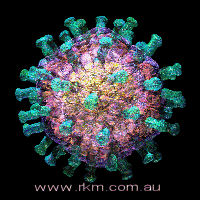
And so it’s over – is it??

26 August, 2010

The WHO recently declared the H1N1 “swine flu” pandemic to be over – on August 10th, 2010.   From the AFP article:

“The world is no longer in phase six of the pandemic alert. We are now moving into the post-pandemic period,” WHO Director General Margaret Chan said

….

Swine flu has killed more than 18,449 people and affected some 214 countries and territories since it was uncovered in Mexico and the United States in April 2009, according to WHO data.

The new virus spread swiftly worldwide despite drastic measures including a week long shutdown in Mexico, prompting the UN health agency to scale up its alerts and declare a pandemic on June 11, 2009, banishing kisses and frowning on handshakes.

Fears about the impact of swine flu on unprotected populations and a harmful mutation sparked a rush for hundreds of millions of dollars worth of specially-developed vaccines and a flurry of public health precautions.

However, those concerns dwindled in late 2009 to be replaced by recriminations in Western nations about the cost of unused vaccines and what some European critics regarded as an unjustified scare.

Amazing, that: the world authorities get it right, help mitigate what could have been a nasty pandemic – then get it in the neck for being alarmist, and helping drug companies make a profit.

Further from the article:

After petering out in Europe and the United States before their winter flu season was over, in recent months swine flu has affected parts of South Asia and “limited areas” of tropical South and Central America, as well as Africa for their second season.

But unlike 2009, when A(H1N1) ousted most other types of flu viruses around the world, known seasonal viruses now are prevalent and even dominant in countries such as South Africa.

Yeeessssss…and that’s all very well, because do you know what happened in South Africa?  They’ve only just released H1N1 vaccine stockpiled for health workers for the duration of the Soccer World Cup, is what – late in the flu season, and almost too late to do any good.  Meaning exactly what was predicted at the beginning of the pandemic, came to pass: there was not enough vaccine for developing countries, and even a year after its emergence, it was still not being distributed evenly.

Not a very good practice run for the Big One, if you ask me: still not enough vaccine being made quickly enough; vaccine not being distributed to at-risk countries; too much fussing over the welcome news that it was not as bad as it could have been.

I’m going to put my faith in plants….

Doctor, there’s a…pig virus in my vaccine??

6 June, 2010

rotavirus particle

I have for some time taught my third year students about how one must weigh relative risk vs. relative benefit when it comes to vaccination – with the Wyeth live rotavirus vaccine that was withdrawn in 2000 or so due to isolated incidents of intussusception (=telescoping of the bowel) as an object example.

Consider: the vaccine MAY have caused a couple of incidents (which granted, were serious) – but on the whole was protective, and well tolerated.  The publication referred to has this as the relative risk:

“…epidemiologic evidence supports a causal relationship, with a population attributable risk of ~1 per 10 000 (range of 1 in 5000 to 1 in 12 000) vaccine recipients.”
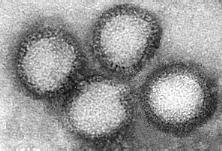
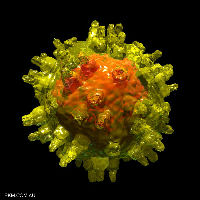
While this may be an unacceptable risk in a North American community – which is where it was tested, where children mostly just get sick from rotavirus infection – what about in a developing country, where the risk of an infant dying from rotavirus diarrhoea is far higher than 1 / 10 000?  Indeed, the same article says:

“Because perceptions of vaccine safety derive from the relative disease burdens of the illness prevented and adverse events induced, the acceptance of rare adverse events may vary substantially in different settings. [ my emphasis]”

Yes – like the vaccine may well have done a great deal of good, and very little harm, in a developing country setting where rehydration therapy is not the norm.  But it was pulled, and the world had to wait for Merck’s Rotateq pentavalent live vaccine and GSK’s Rotarix tetravalent live vaccine, YEARS later, and probably a lot of children died that may not have needed to.

I note that the Merck product has this as a warning, too:

“In post-marketing experience, intussusception (including death) and Kawasaki disease have been reported in infants who have received RotaTeq”.

So the vaccine has the same risk profile as Wyeth’s – yet it has been widely distributed, and is apparently highly effective – as is Rotarix.  In fact, in 2009 the WHO issued a recommendation “…that health authorities in all nations routinely vaccinate young children against rotavirus…”.

And then…news that must have made many a heart sink, in March 2010:

Pig virus contamination halts GSK Rotarix use

“GlaxoSmithKline’s oral rotavirus vaccine Rotarix has been temporarily shelved in the U.S. due to a pig-virus contamination. Researchers stumbled on DNA from porcine circovirus type 1–believed nonthreatening to humans–while using new molecular detection techniques. More work is being done to determine whether the whole virus or just DNA pieces are present.

Additional testing has confirmed presence of the matter in the cell bank and seed from which the vaccine is derived, in addition to the vaccine itself. So the vaccine has been contaminated since its early stages of development.”

The finding of the porcine circovirus type 1 (PCV-1) DNA in the vaccine was due to what seems to have been publication of an academic investigation in February 2010 of “Viral Nucleic Acids in Live-Attenuated Vaccines” by Eri L Delwart and team, mainly from Blood Systems Research Institute and University of California, San Francisco.  They used deep sequencing and microbial array technology to:

“…examine eight live-attenuated viral vaccines. Viral nucleic acids in trivalent oral poliovirus (OPV), rubella, measles, yellow fever, varicella-zoster, multivalent measles/mumps/rubella, and two rotavirus live vaccines were partially purified, randomly amplified, and pyrosequenced. Over half a million sequence reads were generated covering from 20 to 99% of the attenuated viral genomes at depths reaching up to 8,000 reads per nucleotides.”

And they found:

“Mutations and minority variants, relative to vaccine strains, not known to affect attenuation were detected in OPV, mumps virus, and varicella-zoster virus. The anticipated detection of endogenous retroviral sequences from the producer avian and primate cells was confirmed. Avian leukosis virus (ALV), previously shown to be noninfectious for humans, was present as RNA in viral particles [!!], while simian retrovirus (SRV) was present as genetically defective DNA.”

Whooooo…possibly live animal retroviruses in human vaccines??  But most importantly for our purposes:

Rotarix, an orally administered rotavirus vaccine, contained porcine circovirus-1 (PCV1), a highly prevalent nonpathogenic pig virus, which has not been shown to be infectious in humans. Hybridization of vaccine nucleic acids to a panmicrobial microarray confirmed the presence of endogenous retroviral and PCV1 nucleic acids.”

I don’t know about you, but I’d be more worried about the retroviruses!  The authors concluded [my emphases in bold and red]:

“Given that live-attenuated viral vaccines are safe, effective, and relatively inexpensive, their use against human and animal pathogens should be encouraged. The application of high-throughput sequencing and microarrays provides effective means to interrogate current and future vaccines for genetic variants of the attenuated viruses and the presence of adventitious viruses. The wide range of sequences detectable by these methods (endogenous retroviruses, bacterial and other nucleic acids whose taxonomic origin cannot be determined, and adventitious viruses, such as PCV1) is an expected outcome of closer scrutiny to the nucleic acids present in vaccines and not necessarily a reflection of unsafe products. In view of the demonstrated benefit and safety of Rotarix, the >implications (if any) for current immunization policies of the detection of PCV1 DNA of unknown infectivity for humans need to be carefully considered.”

So they find all these bits of adventitious nucleic acids in a live human vaccine, then tell us it’s all right?  They go to say, however:

“As an added note, recent testing by GSK indicates that PCV1 was also present in the working cell bank and viral seed used for the generation of Rotarix used in the extensive clinical trials that demonstrated the safety and efficacy of this vaccine. These trials indicate a lack of detectable pathogenic effects from PCV1 DNA on vaccinees.”

So: a clinical trial in retrospect, then??  Interesting idea, that – it’s OK because they inadvertently tested it already and no obvious harm came of it!  Mind you, the same thing happened with SV40 in poliovirus vaccines over a lot longer period and on a much larger scale – and while the jury is still out on long-term effects, it appears as though there were none.

The first outcome of the finding, though, was that the FDA recommended in March that use of Rotarix be suspended, pending further investigations.

The same GSK press release reminds us that:

“Rotavirus is the leading cause of severe gastroenteritis among children below five years of age and it is estimated that more than half a million children die of rotavirus gastroenteritis each year – a child a minute [my bold – Ed]. It is predicted that rotavirus vaccination could prevent more than 2 million rotavirus deaths over the next decade. The continued availability of rotavirus vaccines around the world remains critical from a public health perspective to protect children from rotavirus disease. “

Cementing the risk/benefit argument very firmly and pre-emptively, then!

The next development was that Merck’s Rotateq, initially thought to be free of PCVs, was found to contain both PCV-1 AND PCV-2 DNA.  From their press release:

“In March 2010, an independent research team and the FDA tested for PCV DNA in rotavirus vaccines; at that time, PCV DNA was not detected in ROTATEQ by the assays that were used initially. Subsequently, Merck initiated PCV testing of ROTATEQ using highly sensitive assays. Merck’s testing detected low levels of DNA from PCV1 and PCV2 in ROTATEQ. Merck immediately shared these results with the FDA and other regulatory agencies.”

Alarming at first sight – but a variety of someones had done their relative risk calculations, and by mid-May, both vaccines had been cleared by the FDA – much to Merck and GSK stockholder relief, one imagines.

“The agency’s decision follows a May 7 recommendation from an FDA advisory panel, which said the PCV contamination didn’t appear to be harmful to humans and the vaccines’ benefits outweighed any “theoretical” risk the products might pose.

In announcing its decision, FDA said that both vaccines have strong safety records, including clinical trials of the vaccines in tens of thousands of patients, plus clinical experience with their administration in millions more. PCV isn’t known to cause illness in humans, whereas the rotavirus these vaccines ward off can cause severe illness and even death.”

All in all, what appears to be a sensible, logical decision, based on evidence – whether collected in retrospect or not – and common sense.  After all, as GSK points out in a press release,

“[PCV] is found in everyday meat products and is frequently eaten with no resulting disease or illness.”

Like plant viruses in vegetables, retroviruses in undercooked chicken and other meat, and a myriad other viruses and bacteria that live in, on, and with us – you really can’t keep away from everything.

But there’s still a good case to be made for killed vaccines….

Rift valley fever: a problem – and a solution?

17 March, 2010

Rift valley fever virions: Linda Stannard, UCT

It was an interesting week, what with a Rift valley fever virus (RVFV) outbreak in South Africa associated with two human deaths – and an excellent journal club presentation (thanks, Liezl!) on a new candidate virus-like particle vaccine made in insect cells.  RFV was in fact worked on in the 1960s at UCT in the old Virus Research Unit under the legendary Dr Alfred Polson at the then Medical School (see pictures link here) – and a couple of folk even got infected while trying to purify it, but we won’t speak of that.

First, the news:

Health-e (Cape Town)

South Africa: Rift Valley Fever Update – a Total of 21 Cases Have Been Confirmed

15 March 2010  press release

The following is a statement by [South African] Deputy Minister of Health Dr Molefi Sefularo, MP, pertaining to the recent deaths from Rift Valley Fever in South Africa.

As of 15 March 2010, a total of 21 human laboratory confirmed cases of River [sic] Valley Fever (RVF) have been confirmed – all acquired in Free State – with two deaths. This brings a total to 22 human cases of RVF – with one in Northern Cape.

Most of these cases reported direct contact with RVF-infected livestock and or linked to farms with confirmed animal cases of RVF. The human cases are; farmers, veterinarians and farm workers. Additional suspect cases are currently being tested.


While there is no specific treatment, the majority of persons affected will recover completely. People should avoid contact with the tissues of infected animals, refrain from drinking unpasteurised milk and prevent mosquito bites to avoid becoming infected. Farmers and veterinarians should wear protective clothing when handling sick animals or their tissues. There is no routine vaccine available for humans.


Rift Valley Fever (RVF) is a viral disease that can cause severe disease in a low proportion of infected humans.

The virus is transmitted by mosquitoes and causes outbreaks of abortion and deaths of young livestock (sheep, goats and cattle). Humans become infected from contact with infected tissues of livestock and less frequently from mosquito bites. In sub-Saharan Africa the mosquitoes which transmit the virus do not enter human dwellings but feed on livestock outdoors at night. The disease occurs throughout Africa and Madagascar when exceptionally heavy rains favour the breeding of the mosquito vectors.

Clinical features in humans

Typically illness is asymptomatic or mild in the vast majority of infected persons, and severe disease would be expected to occur in less than 1% of infected persons.

Key symptoms:

The incubation period (interval from infection to onset of symptoms) for RVF varies from two to six days.

  • Sudden onset of flu-like fever and/or muscle pain.
  • Some patients develop neck stiffness, sensitivity to light, loss of appetite and vomiting.

Symptoms of RVF usually last from four to seven days, after which time the immune response becomes detectable with the appearance of antibodies and the virus gradually disappears from the blood.

Severe form of RVF in humans includes:

  • Vision disturbances
  • Intense headache, loss of memory, hallucinations, confusion, disorientation, vertigo, convulsions, lethargy and coma and;
  • Haemorrhagic Fever [rarely – Ed.]

The public living in the affected areas is encouraged to seek medical attention at their nearest Health facilities, should they have any of the above symptoms.

This is an unusual outbreak, because these normally occur only in high summer rainfall regions near the tropics, on the African east coast – and not far inland in essentially arid distinctly sub-tropical areas, like the Free State and Northern Cape.

However, there is news at hand that may be of use in the future: while there is currently no human vaccine, and veterinary vaccines are apparently so attenuated as to require several applications to be effective, SM de Boer and colleagues in The Netherlands claim that subunit VLP vaccines derived by envelope glycoprotein expression in insect cells appear to confer complete protection in vaccinated animals.

Vaccine. 2010 Mar 8;28(11):2330-9. Epub 2010 Jan 5.

Rift Valley fever virus subunit vaccines confer complete protection against a lethal virus challenge.

de Boer SM, Kortekaas J, Antonis AF, Kant J, van Oploo JL, Rottier PJ, Moormann RJ, Bosch BJ.

“Here we report the evaluation of two vaccine candidates based on the viral Gn and Gc envelope glycoproteins, both produced in a Drosophila insect cell expression system. Virus-like particles (VLPs) were generated by merely expressing the Gn and Gc glycoproteins. In addition, a soluble form of the Gn ectodomain was expressed and affinity-purified from the insect cell culture supernatant. Both vaccine candidates fully protected mice from a lethal challenge with RVFV. Importantly, absence of the nucleocapsid protein in either vaccine candidate facilitates the differentiation between infected and vaccinated animals using a commercial recombinant nucleocapsid protein-based indirect ELISA”.

Great accomplishments; great paper – and I note that if you can do it in insect cells, you can do it in plants…just like influenza viruses.

Because, as de Boer et al. state in their Introduction:

“Although the overall case-fatality rate is estimated at 0.5–1.0%, recent outbreaks show considerably higher numbers. The high case-fatality rates combined with the potential of rapid spread via its vector explains the recognition of RVFV as a potential bioterrorism agent by the United States government. Given the impact of RVF outbreaks on livestock, the human population, and the economy, there is an urgent need for a safe and effective vaccine.” [my emphases]

And one backed by the US Government – which used to work on it as a bioterror agent, according to Wikipedia.  Ah, well: some day they’ll just want to do it because it’s the humanitarian thing to do.  Like now, possibly: DARPA is funding Fraunhofer USA to the tune of $4.4 million to make H1N1 vaccines in plants, following their successes over the last couple of years in especially transiently expressing HA proteins.

Going green: the sensible thing to do.

Re-engineering AAV

8 February, 2010

Adeno-associated virus (AAV) virion. Copyright Russell Kightley Media

Tweaking virus vectors used for gene therapy to change their receptor specificity is not necessarily new – but it has seldom been done (at least, to my mind) as elegantly as is reported in January’s Nature Biotechnology.  Asokan et al. report on

Reengineering a receptor footprint of adeno-associated virus enables selective and systemic gene transfer to muscle
Nature Biotechnology 28, 79 – 82 (2010)
Published online: 27 December 2009 | doi:10.1038/nbt.1599

From the abstract:

We generated a panel of synthetic AAV2 vectors by replacing a hexapeptide sequence in a previously identified heparan sulfate receptor footprint with corresponding residues from other AAV strains. This approach yielded several chimeric capsids displaying systemic tropism after intravenous administration in mice. Of particular interest, an AAV2/AAV8 chimera designated AAV2i8 displayed an altered antigenic profile, readily traversed the blood vasculature, and selectively transduced cardiac and whole-body skeletal muscle tissues with high efficiency. Unlike other AAV serotypes, which are preferentially sequestered in the liver, AAV2i8 showed markedly reduced hepatic tropism.

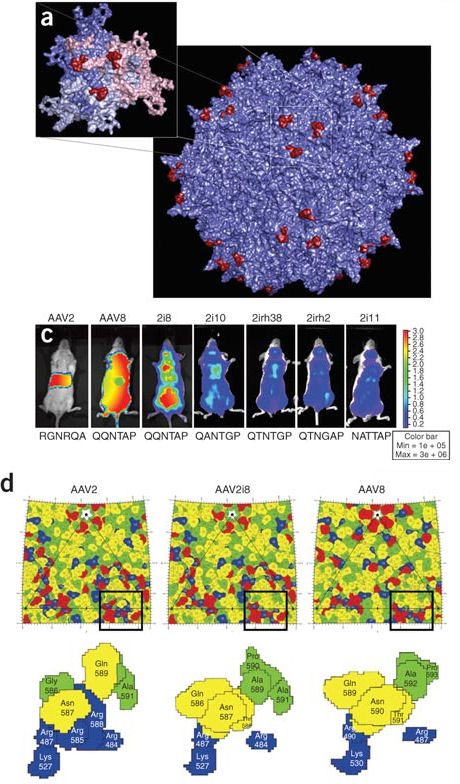
What impressed me most about the paper was the excellent modelling graphics: the authors were able to show, in simple 3-D atomic models, just how their mutations had changed the surface archotecture of the virus in question.  The whole-animal imaging was also very useful in showing very simply how effective their different constructs were.

(a) Three-dimensional structural model of the AAV2 capsid highlighting the 585–590 region containing basic residues implicated in heparan sulfate binding. Inset shows VP3 trimer, with residues 585-RGNRQA-590 located on the innermost surface loop highlighted in red. VP3 monomers are colored salmon, blue, and gray. Images were rendered using Pymol. (c) Representative live animal bioluminescent images of luciferase transgene expression profiles in BALB/c mice (n = 3) injected intravenously (tail vein) with AAV2, AAV8, AAV2i8 and structurally related AAV2i mutants (dose 1 × 10¹¹ vg in 200 μl PBS) packaging the CBA (chicken beta actin)-Luc cassette. All AAV2i mutants show a systemic transduction profile similar to that of AAV8, with AAV2i8 showing enhanced transduction efficiency. Bioluminescence scale ranges from 0–3 × 10⁶ relative light units (photons/sec/cm2). Residues within 585–590 region in each AAV2i mutant is indicated below corresponding mouse image data. (d) Comparison of AAV2, AAV2i8 and AAV8 capsid surface residues based on schematic “Roadmap” projections. A section of the asymmetric unit surface residues on the capsid crystal structures of AAV2 and AAV8, as well as a model of AAV2i8, are shown. Close-up views of the heparan sulfate binding region and residues 585–590 reveal a chimeric footprint on the AAV2i8 capsid surface. Red, acidic residues; blue, basic residues; yellow, polar residues; green, hydrophobic residues. Each residue is shown with a black boundary and labeled with VP1 numbering based on the AAV2 capsid protein sequence.

Adapted by permission from Macmillan Publishers Ltd: Nature Biotechnology 28, 79 – 82 copyright (2010)

Changing the tissue specificity of a well-characterised and often-used vector virus such as AAV in this way is an extremely useful thing to have done: it probably lowers the potential toxicity of the vector – by avoiding the liver – while preserving useful features such as the higher-level expression afforded by use of AAV2.

So it wasn’t so bad…THIS time.

13 January, 2010

Influenza A viruses mixing in susceptible hosts


I have been waiting with great interest to see what would happen in the wrong northern hemisphere 2009-2010 winter season with the Mexican – sorry; politically incorrect, aka pandemic H1N1 – flu – and it has pretty much happened, and it wasn’t nearly as bad as it could have been.

From ProMED:


INFLUENZA PANDEMIC (H1N1) (05): VACCINE UPDATE

**********************************************

A ProMED-mail post
Date: Mon 11 Jan 2010
Source: Reuters News [edited]

Countries re-think swine flu vaccine orders

– ——————————————-

The United States said on Monday [11 Jan 2010] it had cut in half its order for influenza pandemic (H1N1) 2009 virus vaccine from Australia’s CSL Ltd, but said it is not certain how far orders from other suppliers will be trimmed. While U.S. officials are still calculating how much swine flu vaccine they will need, it is becoming increasingly clear that the United States will not need all 251 million doses it ordered from 5 companies. …

Several other governments have started to cut orders for [pandemic] H1N1 vaccines because the pandemic has not turned out to be as deadly as originally feared and most people need only one dose, not 2, to be fully protected.

…Germany’s Bild newspaper reported that the German government had agreed to cut its vaccine order with GlaxoSmithKline Plc by one-3rd. The newspaper said the agreement would save states about 133 million euros (USD 193 million). On Friday [8 Jan 2010], Britain said it was in talks with Glaxo about reducing supplies. ….

…While the pandemic is slowing down in North America, the World Health Organization said on Monday [11 Jan 2010] the virus was still active in parts of central, eastern and southeastern Europe, North Africa and South Asia. Governments are torn between trying to encourage companies to make influenza vaccine and wasting money on doses that are never given. But bulk antigen — the vaccine before it is put into a syringe – — can be stored and might be used in next year’s seasonal vaccine.

The U.S. government was still promoting vaccination, reminding people that influenza is unpredictable and that [pandemic] H1N1 could come back in a 3rd wave. One potentially large market for the vaccine is children. Children under 10 need 2 doses of vaccine to be fully protected and some U.S. school districts were planning more vaccination clinics this week to get children a 2nd dose. …
[Byline: Maggie Fox]

– —

Communicated by:
ProMED-mail Rapporteur Mary Marshall

Communicated by:
ProMED-mail


…and so it begins…

21 October, 2009

The northern hemisphere flu season, that is – with the imponderable being just how much of it will be due to the pandemic AH1N1 2009 strain.

And whether or not enough vaccine will be available, soon enough.

News links from today:

US, Mexico face shortage of H1N1 flu vaccine  (LA Times)

CDC: H1N1 vaccine behind schedule (CBS News)

…and how some people are scared of the vaccine, rather than of the flu:

H1N1 vaccine embraced, but also feared American Medical News

Some Parents Undecided about H1N1 Vaccine LocalNews8.com 

AIDS vaccines in Paris

21 October, 2009

Because he was in Paris attending the AIDS Vaccine 2009 meeting, and because I asked him to, Dorian McIlroy from the University of Nantes has written an account of the presentation of the recent  Thailand HIV vaccine trial results.  Thanks Dorian!

Ed Rybicki.

Here in Paris, the initial results from the Thai ALVAC/AIDSVAX vaccine trial have just been presented. The first presentation was by Dr Supachai Rerks-Ngarm, who was followed by Colonel Nelson Michael (who gave his presentation in uniform). This was a big double-blinded RCT, with more than 16000 participants, about 8000 people in each arm of the study. I am not a methodologist, but this trial does appear to me to have been very well-designed, carried-out, and analyzed. So I think one should unreservedly treat the results as high-quality.

HIVimmunecells150The headline result – a 31% reduction in HIV transmission in vaccine recipients was reported in the press in September, but the difference between the vaccine and placebo recipients was only just statistically significant. So the big question was, are the data convincing enough to reject the null hypothesis? That is, could the difference in the number of HIV infections in the two groups just be down to chance, rather than vaccine efficacy?

Both presenting scientists involved in the study gave talks that were very scientifically rigorous, explaining the why the data was analyzed the way it was, and what conclusions can and cannot be drawn from the trial.

With regards to the first question, it was pointed out that the statistical analysis of the primary endpoint (new HIV infections in the two groups) was decided before the data were unblinded. That is, the statisticians who analyzed the data did not choose their technique to manipulate the interpretation in any way.

The main statistical approach applied was Kaplan-Meier analysis, looking at the number of people infected in each group over time. Differences between vaccine and placebo arms were tested by the log-rank test. However, there were three different ways of determining exactly which of the people enrolled in the trial were included in the analysis. These were intention-to-treat (ITT), modified ITT, and per protocol (PP).

The ITT definition was everyone who was HIV seronegative at study entry, and received at least one injection. The modified ITT excluded 7 individuals who were found to be positive for HIV infection by PCR at study entry. The PP definition was, everyone who received all of the vaccinations at the allotted times. Now this was a rather strict definition, because a person who got a vaccination one day later than the schedule was excluded from the analysis, leaving only about 6000 people per group in the PP analysis.

Kaplan-Meier curves for all three analyses (ITT, mITT and PP) looked pretty good, and showed more infections in the placebo arm than in the vaccine arm, although the difference was only statistically significant (p=0.04) in the mITT analysis. The reason why the ITT analysis did not show a statistically significative difference was because 5 of the 7 people who were infected (PCR postitive, but not seropositive) at entry into the trial were in the vaccine arm. So a net increase of just three more infections (5 in vaccine arm – 2 in the placebo arm) in the vaccine group changed the p-value from 0.04 to 0.08. However, excluding people who were infected before the beginning of the trial is entirely justified, and it is clear that the mITT analysis was preferable to the raw ITT.

The comparison of the mITT and PP results was more interesting. Although the same tendency was observed (more infections in the placebo arm) the Kaplan-Meier curves looked much more similar. There may be two explanations for this. Firstly, since the number of people in each group was decreased, the statistical power of the test also went down – so the same effect would not be statistically significant. Another factor, that was pointed out by Col. Michael, was that the PP analysis automatically ruled out patients who became infected during the vaccine protocol. That is, over the first six months of the trial. Looking back at the Kaplan-Meier curves from the mITT analysis, the main difference between the vaccine and placebo groups accrued during the first year of the trial. Afterwards, new infections occurred pretty much at the same rate in the two groups. Most of these infections were excluded from the PP analysis, resulting in a non-significant difference between the two groups.

This for me, is the key to the interpretation of the trial. In my opinion, there was a protective effect of vaccination in this study (so yes, the data are convincing enough to reject the null hypothesis) – but it seems to have been short lived. Indeed, Col. Michael also mentioned that innate immune responses (presumably induced by the viral ALVAC vector that was injected four times during the 6 months of the vaccination protocol) could be involved in protection. No empty virus vector was used in the placebo arm, (described here : http://www.fda.gov/OHRMS/DOCKETS/AC/04/briefing/4072B2_2.doc) only “a mixture of virus stabilizer, and freeze drying medium”. So more short-lived, non-specific innate immune responses could have been induced in the vaccine arm compared to the placebo arm. This is also consistent with the higher frequency of adverse reactions in vaccine recipients compared to placebo recipients that was also reported in Dr Rerks-Ngarm’s talk.

If the partial protection that was observed in the Thai trial does turn out to have been due to a transient induction of innate immune responses due to the ALVAC vector, then I’m afraid we won’t be able to say that the ALVAC/AIDSVAX candidate vaccine induced an adaptive immune response that is able to protect people from HIV infection.

Dorian McILROY

HIV vaccines: some glimmer of hope??

19 October, 2009

Cells stimulated by HIV vaccines Copyright Russell Kightley Media

It has taken a while for me to get to this, because I have been waiting for the fallout / comment storm to settle a bit, so that I could get a good clear objective view.

And that is…that the recent Thai trial showed hints of promise, but was largely a failure.  At least it did no harm…!

First things first: Nature News’ Elie Dolgin had this to say on 24th September:

Vaccine protects against HIV virus [!!! sic – I had something to say about this, see Comments]

The largest HIV vaccine trial to date has shown moderate success at preventing infection by the virus.

The experimental vaccine — a combination of two older shots that failed to work on their own — reduced the risk of someone contracting HIV by nearly a third. Scientists, however, are still scratching their heads as to how the double-shot approach blocks the virus….

The US$119 million study involved more than 16,000 HIV-negative men and women from Thailand aged 18–30. The trial was launched in October 2003, conducted by the Thai health ministry and sponsored by the US Army Surgeon General. It tested a two-shot infection-fighting strategy using drugs made by Sanofi-Pasteur of Lyon, France, and VaxGen of Brisbane, Australia. Over the course of 24 weeks, participants received four doses of a ‘primer’ vaccine — a disabled bird virus [canarypox – Ed] containing synthetic versions of three HIV genes [ALVAC, subtype B env, gag and pro – Ed] — and two doses of a ‘booster’, which consisted of a protein called gp120 [AIDSVAX subtypes B/E – Ed], a major component of HIV’s outer coat.  [see here for link describing the components].   Clinicians tested for HIV infection every 6 months for 3 years….

Many HIV vaccine experts had previously criticized the approach as a waste of time because each of the vaccine components had a poor track record. The primer, called ALVAC, conferred little to no immune protection in multiple early-phase clinical trials, and the booster, called AIDSVAX, had flopped twice in high-profile, large-scale trials.

And here’s a thing: a high profile crew of scientists had, in 2004, written an open letter to Science magazine, stating in no uncertain terms that they thought the trial ought to be stopped.  In their words:

“Concerns are expressed by a group of AIDS researchers about the U.S. government’s plans to conduct a phase III trial of a combination HIV-1 vaccine in Thailand despite the cancellation of a trial of a very similar combination vaccine in the U.S.A. last year. One of the vaccine components, recombinant monomeric gp120, has already been shown to be ineffective in phase III trials in Thailand and the United States; the other component, a recombinant canarypox vector, is also poorly immunogenic. The scientific rationale that has been offered for the new trial in Thailand is considered by the authors to be weak.”

And now we have Dan Barouch – not a signatory to the 2004 letter, I note – quoted by Dolgin as saying:

“I don’t think anybody knows why this worked the way it did,” says Dan Barouch, an immunologist at the Beth Israel Deaconess Medical Center in Boston, Massachusetts. “It’s the largest step forward that’s ever occurred in the HIV-vaccine field, but there’s a tremendous amount of more work that will need to be done.”

But exactly what is it that people are hailing as a breakthrough here?  Dolgin again:

The two-pronged vaccine did not affect the amount of virus circulating in the blood of those who acquired HIV during the study. But it did show a protective effect — vaccinated individuals were 31% less likely to become infected. New infections occurred in 74 of the 8,198 people who received dummy shots, but only 51 of the 8,197 in the vaccine group [my emphasis – Ed], the researchers, led by Supachai Rerks-Ngarm of the Thai Ministry of Public Health’s Department of Disease Control, found.

Dorian McIlroy, a regular contributor to Viroblogy, had this to say on the 24th September in an email to me:

I just read the news story about the ALVAC/AIDSVAX trial results in Thailand.  From the numbers on this press release:

http://www3.niaid.nih.gov/news/newsreleases/2009/ThaiVaxStudy.htm

The significance level is extremely slim. For example, if you go to this site

http://www.statpages.org/ctab2x2.html

and type in the numbers you will find that p=0.048 by Fisher’s exact test.

If one more person in the vaccine arm had been infected, or if one less person in the placebo arm had been infected, the difference between the groups would not have been significant. [my emphasis – Ed]

None of the experts (Wayne Koff, Frances Gotch, for example) interviewed in different news stories seems to have noticed just how borderline the “statistical significance” really is, and seem to have accepted the bottom-line 30% reduction figure.

Ah well, I just thought I had to tell someone….

Dorian

Lecturer in Microbiology and Cell Biology,
University of Nantes

Others have also picked up on this – which shows just how desperately slim the hope is.  However, it does remain – although (pleasingly…B-) the pundits have been thrown into a state of confusion, as some strongly-held views have not been vindicated.  Another Nature News article – from Erika Check Hayden, on October 1st – has this to say:

As the dust settles from last week’s surprising announcement that an HIV vaccine combination may protect some people from the virus, scientists are talking about what else the vaccine trial might tell them.

On 24 September, leaders of a US$119-million study of 16,000 people in Thailand reported that the combination of two shots had reduced the risk of HIV infection by one-third …. Now, the vaccine’s fate will depend on whether scientists can figure out its ‘correlate of protection’ — in other words, what caused it to partially protect some people from HIV. The key does not seem to be anything scientists had predicted, which has led to much head-scratching — and some unease.

“It’s a humbling thing, because for the first time we got a positive signal and it doesn’t jump out at us as being related to any classical parameters you would expect from a successful vaccine,” says Anthony Fauci, head of the National Institute of Allergy and Infectious Diseases in Bethesda, Maryland, which supported the trial. “That tells us maybe we were not measuring the right thing.” [my emphasis – Ed]

Amen, brother Tony…a clearer proof of Clarke’s First Law I have yet to see.

So what ARE the things that fall out from this?  First, I would suspect, is that the value of a heterologous prime-boost combination seems to have been shown, albeit weakly.  Second, the use of a poxvirus vaccine in particular in combination with a protein may be a good thing to chase.  I note here that the South Africa / US joint Phase I human trial currently underway with the SAAVI DNA / SAAVI MVA (=modified vaccinia virus Ankara, a poxvirus) was almost certainly considerably more immunogenic in non-humanprimates than either of the ALVAC / AIDSVAX vaccines, so the gleam of hope may soon get brighter.

Third: take heed of Arthur C Clarke before you go sticking your neck out making predictions about HIV vaccines…B-)

…and the virus marches on….

1 September, 2009

From News24 this evening:

SA’s H1N1 deaths now 27

2009-09-01 17:03

Cape Town – The number of swine flu deaths in South Africa has risen to 27, and confirmed infections to 5 841, the National Institute for Communicable Diseases said on Tuesday.

“There is also ongoing and widespread community transmission,” it said in a statement.

Of the 27 fatal cases, 12 were pregnant women, five of whom had no identified underlying conditions.

The institute repeated its standard warning that people with depressed immunity, asthma, diabetes, or chronic lung, kidney and heart problems, or who were pregnant should seek early treatment with antivirals.

and on 26th August:

SA wants own H1N1 flu vaccine

2009-08-26 22:29

Cape Town – South Africa has no choice but to develop its own H1N1 flu vaccine, Health Minister Aaron Motsoaledi said on Wednesday, citing concerns treatment will not be available to poorer nations.

“South Africa has arrived at a situation where we have no option but to start developing our own vaccine capacity, not only for H1N1, but generally,” Motsoaledi told parliament.

“The disturbing feature about today’s world… has been expressed by the minister of health for Cambodia… who noted that the developed world, after producing the vaccine, may want to cover their own population first before thinking about the developing world,” Motsoaledi said.

Anyone remember reading that before, anywhere?  Watch this space….