Archive for the ‘General Virology’ Category

Lassa, come home!

21 October, 2010

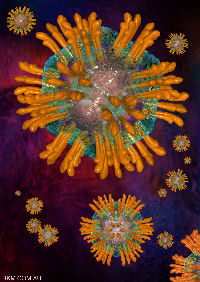
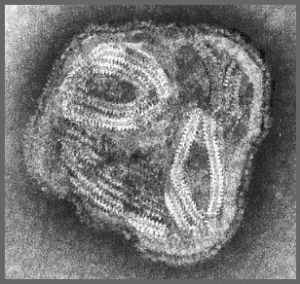
Lassa virus: image copyright Russell Kightley Media

Lassa fever is a nasty acute viral haemorrhagic fever (HF), caused by Lassa virus.  This is a member of the genus Arenavirus, family Arenaviridae, comprising a collection of 2-component ss(-)RNA enveloped viruses which also includes Lymphocytic choriomeningitis virus – a favourite model organism – and a host of South American HF viruses.  It is also a BSL-4 pathogen, or “hot virus” – one that needs to be worked with in a spacesuit environment, meaning it is pretty difficult to study in the lab.

Arenaviruses are interesting for molecular virologists because of they are one of several ssRNA(-)RNA viruses with “ambisense” genomes, meaning their genomic RNAs have stretches which can be directly read into protein by ribosomes, instead of having to be transcribed first.

The virus and the fever are endemic in the West African countries of Nigeria – from where it was first described in 1969 – Sierra Leone, Liberia, Guinea and the Central African Republic, but almost certainly occur more widely.  There are an estimated 300 000 cases a year, with 5 000 deaths attributed to the virus annually – again, probably an underestimate, as in epidemics mortality can go up to 50%.  The virus is vectored by what is probably the most common type of rodent in equatorial Africa, multimammate rats in the genus Mastomys, mainly via aerosolised faces and urine, which contain high concentrations of virions.  The rat can maintain infection as a persistent asymptomatic state.  It is also possible to spread the disease from person to person, via body fluids.

The CDC has this to say about Lassa fever:

In areas of Africa where the disease is endemic (that is, constantly present), Lassa fever is a significant cause of morbidity and mortality. While Lassa fever is mild or has no observable symptoms in about 80% of people infected with the virus, the remaining 20% have a severe multisystem disease. Lassa fever is also associated with occasional epidemics, during which the case-fatality rate can reach 50%.

While this may seem to be of mild interest only to the international community – after all, it is a seasonal disease limited to one part of Africa, and only 5 000 people die annually, compared to 400 000+ for influenza – it is and remains a nasty disease, with significant side effects, which include temporary or permanent deafness in those who recover – various degrees of deafness occur in up to one-third of cases – and spontaneous abortion of about 95% of third trimester foetuses in infected mothers, and a death rate of >80% in the women.  Moreover, while the term “limited to West Africa” may make it sound of local interest only, it is worth noting that that part of Africa is bigger than the whole of Western Europe – in fact, it’s the size of the whole of the USA – and is home to close to 200 million people.  Moreover, there is serious concern that the incidence of Lassa fever may be increasing, and that it is emerging from its endemic regions into newer pastures with changing regional weather patterns.  However, while fears of rampant spread via air travel do exist, like “Ebola Preston“, these are largely scare stories – which are admirably efficiently debunked here.

A tragic fact about Lassa fever is that it is treatable with drugs, if caught early: JB McCormick and others showed in 1986 that intravenous ribavirin given within 6 days of the onset of fever reduced mortality of patients with a serum aspartate aminotransferase level greater than or equal to 150 IU per litre at the time of hospital admission, from 55% to 5% – whereas patients whose treatment began seven or more days after the onset of fever had a case-fatality rate of 26 percent.  Moreover, oral ribavirin was also effective in patients at high risk of death.

So WHY isn’t ribavirin distributed widely and freely in West Africa for use in clinics??  Why, indeed…that doyen of the US biowarfare / hot virus community, CJ Peters, had this to say in an online book:

Both antiviral vaccines and drugs suffer from major development problems. They would require an expensive developmental effort that has never been able to attract industrial support based on disease activity in endemic areas, even when the U.S. Department of Defense has expressed an interest and provided an additional market.

In other words, no-one would manufacture it for a market that couldn’t pay for it in a sustainable way – another of the unacceptable faces of modern capitalism.

There is hope, however – people are working on vaccines, and there have been significant successes in primate models: in 2005, Geisbert et al. described a

“…replication-competent vaccine against Lassa virus based on attenuated recombinant vesicular stomatitis virus vectors expressing the Lassa viral glycoprotein. A single intramuscular vaccination of the Lassa vaccine elicited a protective immune response in nonhuman primates against a lethal Lassa virus challenge. Vaccine shedding was not detected in the monkeys, and none of the animals developed fever or other symptoms of illness associated with vaccination. The Lassa vaccine induced strong humoral and cellular immune responses in the four vaccinated and challenged monkeys. Despite a transient Lassa viremia in vaccinated animals 7 d after challenge, the vaccinated animals showed no evidence of clinical disease.”

Very promising, at first glance.  This is, however, a live virus vaccine – with all of the attendant problems of purification of whole virus, contamination, manufacture, cold chain – and cost….  Given the recent global experience with virus vaccines both live and dead – and recent rotavirus and papillomavirus vaccines would be excellent recent examples, with unit costs at over US$40 per shot  – this vaccine will not debut, if it does so at all, at a cost that is even remotely affordable in the target market in West Africa.

Unless the target market is in fact the US military – which, given the fact that the lead author’s address is given as “Virology Division, United States Army Medical Research Institute of Infectious Diseases, Fort Detrick”, can be considered quite likely.

Another more recent, and – to my biased mind at least – more promising candidate vaccine, is one described by Luis M Branco et al. in a brand-new Virology Journal article.  This one is also associated with the US military –  with 3 of 11 authors with addresses “@usarmy.mil” – but describes a virus-like particle vaccine candidate rather than a recombinant live virus.

Lassa virus-like particles displaying all major immunological determinants as a vaccine candidate for Lassa hemorrhagic fever

Virology Journal 2010, 7:279 doi:10.1186/1743-422X-7-279

Published: 20 October 2010

Luis M Branco, Jessica N Grove, Frederick J Geske, Matt L Boisen, Ivana J Muncy, Susan A Magliato, Lee A Henderson, Randal J Schoepp, Kathleen A Cashman, Lisa E Hensley and Robert F Garry

Background

Lassa hemorrhagic fever (LHF) is a neglected tropical disease with significant impact on the health care system, society, and economy of Western and Central African nations where it is endemic. Treatment of acute Lassa fever infection with intravenous Ribavirin, a nucleotide analogue drug, is possible and greatly efficacious if administered early in infection. However, this therapeutic platform has not been approved for use in LHF cases by regulatory agencies, and the efficacy of oral administration has not been demonstrated. Therefore, the development of a robust vaccine platform generated in sufficient quantities and at a low cost per dose could herald a subcontinent-wide vaccination program. This would move Lassa endemic areas toward the control and reduction of major outbreaks and endemic infections. To date, several potential new vaccine platforms have been explored, but none have progressed toward clinical trials and commercialization. To this end, we have employed efficient mammalian expression systems to generate a Lassa virus (LASV)-like particle (VLP)-based modular vaccine platform.

Results

A mammalian expression system that generated large quantities of LASV VLP in human cells at small scale settings was developed. These VLP contained the major immunological determinants of the virus: glycoprotein complex, nucleoprotein, and Z matrix protein, with known post-translational modifications. The viral proteins packaged into LASV VLP were characterized, including glycosylation profiles of glycoprotein subunits GP1 and GP2, and structural compartmentalization of each polypeptide. The host cell protein component of LASV VLP was also partially analyzed, namely glycoprotein incorporation, though all host cell components remain largely unknown. All combinations of LASV Z, GPC, and NP proteins that generated VLP did not incorporate host cell ribosomes, a known component of native arenaviral particles, despite detection of small RNA species packaged into pseudoparticles. Although VLP did not contain the same host cell components as the native virion, electron microscopy analysis demonstrated that LASV VLP appeared structurally similar to native virions, with pleiomorphic distribution in size and shape. LASV VLP that displayed GPC or GPC+NP were immunogenic in mice, and generated a significant IgG response to individual viral proteins over the course of three immunizations, in the absence of adjuvants. Furthermore, sera from convalescent Lassa fever patients recognized VLP in ELISA format, thus affirming the presence of native epitopes displayed by the recombinant pseudoparticles.

Conclusions

These results established that modular LASV VLP can be generated displaying high levels of immunogenic viral proteins, and that small laboratory scale mammalian expression systems are capable of producing multi-milligram quantities of pseudoparticles. These VLP are structurally and morphologically similar to native LASV virions, but lack replicative functions, and thus can be safely generated in low biosafety level settings. LASV VLP were immunogenic in mice in the absence of adjuvants, with mature IgG responses developing within a few weeks after the first immunization. These studies highlight the relevance of a VLP platform for designing an optimal vaccine candidate against Lassa hemorrhagic fever, and warrant further investigation in lethal challenge animal models to establish their protective potential.

So what they have done is to make non-infectious particles which strongly resemble native virions of Lassa virus, at high yield in a mammalian cell expression system, under low containment conditions – meaning it is safe for workers. The VLPs are highly and appropriately immunogenic, and appear to have significant potential as a Lassa virus vaccine.  This is very similar to previously reported work on Rift Valley fever VLPs made in insect cells, and HPAI and pandemic influenza HA-containing VLPs made in plants, in that VLPs are produced at good yield in an established expression system.

Except that they’re using mammalian cells, with all of the cost implications inherent in that.  And they’re using transfection of plasmids – not the world’s cheapest method of producing proteins.  And they didn’t show efficacy….

Ah, well, there’s still hope – and they could still go green…B-)
Sendai don’t do it like they said

13 October, 2010

It is a sad fact of virological life that quite a lot of what we see, in the experiments we do, is artefactual: that is, the way we do experiments leads us to see results that do not necessarily reflect reality, but rather, the scenario we inadvertently selected for.

And it is electron microscopy that is at once our friend and our foe in this regard: over the last thirty years I have revised several aspects of my teaching on how virus particles interact with cells in particular, as what was once considered common knowledge has subsequently been proved to be false.  This is usually a consequence of having to use large numbers of virus particles – or high multiplicities of infection – and cultured cells, which may lead to rare events being selected for simply because they may be easier to detect.  An important example of this was the revelation that poliovirus (and presumably other picornaviruses) almost certainly enters cells via receptor-mediated endocytosis, rather than via some mysterious direct passage mechanism as is often depicted in textbooks (or here).


Paramyxovirus: image by Linda M Stannard


One of the long-time models for entry of enveloped viruses into animals has been Sendai paramyxovirus: this ss(-)RNA virus was supposed to fuse its membrane with that of the host cell, and uncoat via diffusion of its envelope glycoproteins into the host membrane, and deposit of virion internal components into the host cell cytoplasm.

Except, it turns out, that this is probably wrong: in a Journal of Virology Minireview published in July of 2010, Anne Haywood of the University of Rochester (NY, USA) describes how Sendai virions uncoat via a “connecting structure” that largely preserves the virion envelope.

Membrane Uncoating of Intact Enveloped Viruses
Anne M. Haywood
JOURNAL OF VIROLOGY, Vol. 84, No. 21, Nov. 2010, p. 10946–10955
Experiments in the 1960s showed that Sendai virus, a paramyxovirus, fused its membrane with the host plasma membrane. After membrane fusion, the virus spontaneously “uncoated” with diffusion of the viral membrane proteins into the host plasma membrane and a merging of the host and viral membranes. This led to deposit of the viral ribonucleoprotein (RNP) and interior proteins in the cell cytoplasm. Later work showed that the common procedure then used to grow Sendai virus produced damaged, pleomorphic virions. Virions, which were grown under conditions that were not damaging, made a connecting structure between virus and cell at the region where the fusion occurred. The virus did not release its membrane proteins into the host membrane. The viral RNP was seen in the connecting structure in some cases. Uncoating of intact Sendai virus proceeds differently from uncoating described by the current standard model developed long ago with damaged virus. A model of intact paramyxovirus uncoating is presented and compared to what is known about the uncoating of other viruses.

Interesting: a whole model for entry of viruses into cells was predicated upon the interactions of a  laboratory-derived virus strain which produced damaged particles.

Haywood presents a new model for virus entry, based upon the observation that “early harvest” virions differ substantially form the “late harvest virions” previously used, in that “…the RNP is regularly folded parallel to the long axis of the virions…”, while  late-harvest particles “…have RNP strands that are randomly distributed in the virus rather than regularly arranged in relation to the membrane”.

She goes on to review a qualitatively very different alphavirus – Sindbis virus, an enveloped ss(+)RNA virus – for which similar things had been claimed, and shows that virus particles that have been gently treated also make a connector.  Moreover, she says that:

“…there is a structure that has no electron-dense material and is released from the cell. It is identified as viral by antibodies conjugated with gold beads. This release of an empty viral membrane has not been noted before, but the use of labeled antibodies meant such a structure would be revealed. If the envelope membrane disengages from the cell instead of merging with the host membrane, then not only would the cell not have viral proteins on its surface until the virus replicates but the released membrane pieces could serve as immunologic decoys.” [my emphasis]

Interestinger and interestinger…so enveloped viruses may have an entry mechanism which serves to hide them more effectively than we knew – by keeping their membranes intact, and possibly even using them as releasable decoys?

I note that in the case of HIV – possibly the best-studied single organism on the planet just recently – it has also recently been shown that virions probably enter cells via endosomal vesicles.

I hear the grinding sound of a shifting paradigm, folks: time for a relook at some other cherished models, possibly??

Something rabid this way comes

5 October, 2010

Rabies virus: also known more officially as

The relevant ICTVdB (Intl Comm on Taxonomy of Viruses Database) page describes the viruses as follows:

Rabies virus virion

Morphology

Virions consist of an envelope and a nucleocapsid. Virus capsid is enveloped. Virions are bullet-shaped. Virions measure 45-100 nm in diameter; 100-430 nm in length. Surface projections are densely dispersed, distinctive spikes that cover the whole surface except for the quasi-planar end. Capsid/nucleocapsid is elongated with helical symmetry.

Nucleic Acid

The Mr of the genome constitutes 1-2% of the virion by weight. The genome is not segmented and contains a single molecule of linear, negative-sense, single-stranded RNA. The complete genome is 11900 nucleotides long, is fully sequenced.

A description of the replication of these viruses is given here.

There has been a fair bit of media fuss here in South Africa recently – and in Gauteng in particular – about a rabies outbreak, and the need to get pets and possibly dependants vaccinated against the virus.

The urgency of this campaign was underlined by the recently reported death of a child, scratched by a rabid puppy.

The literature available locally to inform prevention is a bit dated – 1997 – but it is comprehensive and well-researched.  This is a PDF document available here; more recent material can be found at the CDC site.

Important points to note about rabies are the following:

  • If untreated, it is effectively 100% fatal in both susceptible animals and in humans
  • There are effective vaccines for the prevention of infection – veterinarians and staff working with animals are routinely vaccinated – and
  • There is an effective therapy for people already bitten, which involves the injection of anti-rabies antibodies

News currently coming out of Gauteng Province reported in Business Day indicates that this outbreak is the first in that province in many years, and that over R30 million (~US$4 million) will be required to stamp it out – with the requirement that >70% of Gauteng’s estimated 1,4-million cats and dogs be vaccinated, otherwise the disease could become endemic.

While the disease has been known for centuries, and vaccines and therapy date back to the time of Louis Pasteur, it is alarming to realise that, in the words of the CDC Rabies Homepage,

“…Rabies in humans is 100% preventable through prompt appropriate medical care. Yet, more than 55,000 people, mostly in Africa and Asia, die from rabies every year – a rate of one person every ten minutes.”

A horrific disease to die of, and relatively easily preventable.  We just need more and cheaper vaccines and therapy.  Roll on the plants…!

Oh, and simple common sense, and widespread compliance….

On the utility of Pink Floyd’s “The Grand Vizier’s Garden Party” as a metaphor for virus multiplication

16 September, 2010


…which pretty much explains the concept…what’s that?  Why?  Well, because the above-mentioned song – off the very strange and very wonderful album Ummagumma, released in 1969 – incorporates three subsections.

From the tracklisting:

“The Grand Vizier’s Garden Party” (N Mason) – 8:44

  • Part 1: “Entrance” – 1:00
  • Part 2: “Entertainment” – 7:06
  • Part 3: “Exit” – 0:38

All clear now?  No?  Ah, well, you need to consult the relevant parts of the Web material, don’t you?  Which would be here, and here…and of course, we never got around to exit as such, so you may as well look here instead.

Which just goes to show that, however hard one tries, it is close to impossible to update a whole set of Web pages AND keep all the links current!  Ah, well – that’s an aspect of electronic teaching with its own comment, right here.

But I digress: “metaphor”, I said.  Something like a “simile”, only different, as I’ve heard it described.  And another digression, to cartoon country this time – which shows how we virologists normally treat metaphors and their filthy ilk.

And is it a good metaphor, you ask?  Well, yes – for one reason, because

  • first, students still know who Pink Floyd is/are, so they remember it better;
  • second, because it is a very simple encapsulation of the process;
  • third, because it neatly separates three crucial aspects of the virus life cycle –
  • and fourth, it gives you the opportunity to describe three very different kinds of strategy for messing with said life cycle.

And thinking of 4, and just of HIV for example, those would be:

  • entry inhibitors, like antibodies or fusion inhibitors
  • nucleoside analogue or non-nucleoside reverse transcriptase inhibitors, and
  • protease inhibitors to prevent polyprotein processing.

And I’ve been doing it for 25 years, and see no reason why I should stop using it now.  Or stop playing “Another Brick in the Wall” when I put up long definitions.   Or stop mentioning that Pink Floyd have the second-longest song title of which I am aware.  Or that Hoagy Carmichael* has the longest….

Enough said, probably.  Just to say that it helps make virology fun.  At least for me  B-)

* = I’m a Cranky Old Yank in a Clanky Old Tank on the Streets of Yokohama with my Honolulu Mama Doin’ Those Beat-o, Beat-o Flat-On-My-Seat-o, Hirohito Blues

Dear New Scientist

6 June, 2010

In the full expectation that my letter will not see the light of day – nothing I have ever written to NS over some 15 years ever has – I will put this here, where more some people may see it.

Dear Editor:

I recall being a little miffed when I read the original article on
biodiversity in NS (24 April) – because there was no mention at
all of the greatest part of the biodiversity on this (and probably any
other) planet, which is viruses.  There are more viruses on Earth than
any other kinds of organisms, and virus genomes provide the greatest
source of gene diversity – yet they don’t rate a mention.

And then, in your Letters page of the 22 May issue, people take up
cudgels on behalf of fungi, of all things!

Cellism, that’s all it is….

Rift valley fever: a problem – and a solution?

17 March, 2010

Rift valley fever virions: Linda Stannard, UCT

It was an interesting week, what with a Rift valley fever virus (RVFV) outbreak in South Africa associated with two human deaths – and an excellent journal club presentation (thanks, Liezl!) on a new candidate virus-like particle vaccine made in insect cells.  RFV was in fact worked on in the 1960s at UCT in the old Virus Research Unit under the legendary Dr Alfred Polson at the then Medical School (see pictures link here) – and a couple of folk even got infected while trying to purify it, but we won’t speak of that.

First, the news:

Health-e (Cape Town)

South Africa: Rift Valley Fever Update – a Total of 21 Cases Have Been Confirmed

15 March 2010  press release

The following is a statement by [South African] Deputy Minister of Health Dr Molefi Sefularo, MP, pertaining to the recent deaths from Rift Valley Fever in South Africa.

As of 15 March 2010, a total of 21 human laboratory confirmed cases of River [sic] Valley Fever (RVF) have been confirmed – all acquired in Free State – with two deaths. This brings a total to 22 human cases of RVF – with one in Northern Cape.

Most of these cases reported direct contact with RVF-infected livestock and or linked to farms with confirmed animal cases of RVF. The human cases are; farmers, veterinarians and farm workers. Additional suspect cases are currently being tested.


While there is no specific treatment, the majority of persons affected will recover completely. People should avoid contact with the tissues of infected animals, refrain from drinking unpasteurised milk and prevent mosquito bites to avoid becoming infected. Farmers and veterinarians should wear protective clothing when handling sick animals or their tissues. There is no routine vaccine available for humans.


Rift Valley Fever (RVF) is a viral disease that can cause severe disease in a low proportion of infected humans.

The virus is transmitted by mosquitoes and causes outbreaks of abortion and deaths of young livestock (sheep, goats and cattle). Humans become infected from contact with infected tissues of livestock and less frequently from mosquito bites. In sub-Saharan Africa the mosquitoes which transmit the virus do not enter human dwellings but feed on livestock outdoors at night. The disease occurs throughout Africa and Madagascar when exceptionally heavy rains favour the breeding of the mosquito vectors.

Clinical features in humans

Typically illness is asymptomatic or mild in the vast majority of infected persons, and severe disease would be expected to occur in less than 1% of infected persons.

Key symptoms:

The incubation period (interval from infection to onset of symptoms) for RVF varies from two to six days.

  • Sudden onset of flu-like fever and/or muscle pain.
  • Some patients develop neck stiffness, sensitivity to light, loss of appetite and vomiting.

Symptoms of RVF usually last from four to seven days, after which time the immune response becomes detectable with the appearance of antibodies and the virus gradually disappears from the blood.

Severe form of RVF in humans includes:

  • Vision disturbances
  • Intense headache, loss of memory, hallucinations, confusion, disorientation, vertigo, convulsions, lethargy and coma and;
  • Haemorrhagic Fever [rarely – Ed.]

The public living in the affected areas is encouraged to seek medical attention at their nearest Health facilities, should they have any of the above symptoms.

This is an unusual outbreak, because these normally occur only in high summer rainfall regions near the tropics, on the African east coast – and not far inland in essentially arid distinctly sub-tropical areas, like the Free State and Northern Cape.

However, there is news at hand that may be of use in the future: while there is currently no human vaccine, and veterinary vaccines are apparently so attenuated as to require several applications to be effective, SM de Boer and colleagues in The Netherlands claim that subunit VLP vaccines derived by envelope glycoprotein expression in insect cells appear to confer complete protection in vaccinated animals.

Vaccine. 2010 Mar 8;28(11):2330-9. Epub 2010 Jan 5.

Rift Valley fever virus subunit vaccines confer complete protection against a lethal virus challenge.

de Boer SM, Kortekaas J, Antonis AF, Kant J, van Oploo JL, Rottier PJ, Moormann RJ, Bosch BJ.

“Here we report the evaluation of two vaccine candidates based on the viral Gn and Gc envelope glycoproteins, both produced in a Drosophila insect cell expression system. Virus-like particles (VLPs) were generated by merely expressing the Gn and Gc glycoproteins. In addition, a soluble form of the Gn ectodomain was expressed and affinity-purified from the insect cell culture supernatant. Both vaccine candidates fully protected mice from a lethal challenge with RVFV. Importantly, absence of the nucleocapsid protein in either vaccine candidate facilitates the differentiation between infected and vaccinated animals using a commercial recombinant nucleocapsid protein-based indirect ELISA”.

Great accomplishments; great paper – and I note that if you can do it in insect cells, you can do it in plants…just like influenza viruses.

Because, as de Boer et al. state in their Introduction:

“Although the overall case-fatality rate is estimated at 0.5–1.0%, recent outbreaks show considerably higher numbers. The high case-fatality rates combined with the potential of rapid spread via its vector explains the recognition of RVFV as a potential bioterrorism agent by the United States government. Given the impact of RVF outbreaks on livestock, the human population, and the economy, there is an urgent need for a safe and effective vaccine.” [my emphases]

And one backed by the US Government – which used to work on it as a bioterror agent, according to Wikipedia.  Ah, well: some day they’ll just want to do it because it’s the humanitarian thing to do.  Like now, possibly: DARPA is funding Fraunhofer USA to the tune of $4.4 million to make H1N1 vaccines in plants, following their successes over the last couple of years in especially transiently expressing HA proteins.

Going green: the sensible thing to do.

Re-engineering AAV

8 February, 2010

Adeno-associated virus (AAV) virion. Copyright Russell Kightley Media

Tweaking virus vectors used for gene therapy to change their receptor specificity is not necessarily new – but it has seldom been done (at least, to my mind) as elegantly as is reported in January’s Nature Biotechnology.  Asokan et al. report on

Reengineering a receptor footprint of adeno-associated virus enables selective and systemic gene transfer to muscle
Nature Biotechnology 28, 79 – 82 (2010)
Published online: 27 December 2009 | doi:10.1038/nbt.1599

From the abstract:

We generated a panel of synthetic AAV2 vectors by replacing a hexapeptide sequence in a previously identified heparan sulfate receptor footprint with corresponding residues from other AAV strains. This approach yielded several chimeric capsids displaying systemic tropism after intravenous administration in mice. Of particular interest, an AAV2/AAV8 chimera designated AAV2i8 displayed an altered antigenic profile, readily traversed the blood vasculature, and selectively transduced cardiac and whole-body skeletal muscle tissues with high efficiency. Unlike other AAV serotypes, which are preferentially sequestered in the liver, AAV2i8 showed markedly reduced hepatic tropism.

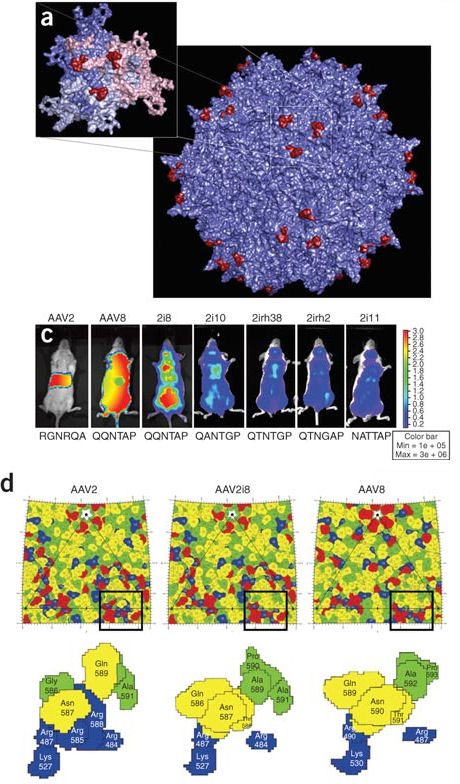
What impressed me most about the paper was the excellent modelling graphics: the authors were able to show, in simple 3-D atomic models, just how their mutations had changed the surface archotecture of the virus in question.  The whole-animal imaging was also very useful in showing very simply how effective their different constructs were.

(a) Three-dimensional structural model of the AAV2 capsid highlighting the 585–590 region containing basic residues implicated in heparan sulfate binding. Inset shows VP3 trimer, with residues 585-RGNRQA-590 located on the innermost surface loop highlighted in red. VP3 monomers are colored salmon, blue, and gray. Images were rendered using Pymol. (c) Representative live animal bioluminescent images of luciferase transgene expression profiles in BALB/c mice (n = 3) injected intravenously (tail vein) with AAV2, AAV8, AAV2i8 and structurally related AAV2i mutants (dose 1 × 10¹¹ vg in 200 μl PBS) packaging the CBA (chicken beta actin)-Luc cassette. All AAV2i mutants show a systemic transduction profile similar to that of AAV8, with AAV2i8 showing enhanced transduction efficiency. Bioluminescence scale ranges from 0–3 × 10⁶ relative light units (photons/sec/cm2). Residues within 585–590 region in each AAV2i mutant is indicated below corresponding mouse image data. (d) Comparison of AAV2, AAV2i8 and AAV8 capsid surface residues based on schematic “Roadmap” projections. A section of the asymmetric unit surface residues on the capsid crystal structures of AAV2 and AAV8, as well as a model of AAV2i8, are shown. Close-up views of the heparan sulfate binding region and residues 585–590 reveal a chimeric footprint on the AAV2i8 capsid surface. Red, acidic residues; blue, basic residues; yellow, polar residues; green, hydrophobic residues. Each residue is shown with a black boundary and labeled with VP1 numbering based on the AAV2 capsid protein sequence.

Adapted by permission from Macmillan Publishers Ltd: Nature Biotechnology 28, 79 – 82 copyright (2010)

Changing the tissue specificity of a well-characterised and often-used vector virus such as AAV in this way is an extremely useful thing to have done: it probably lowers the potential toxicity of the vector – by avoiding the liver – while preserving useful features such as the higher-level expression afforded by use of AAV2.

AIDS vaccines in Paris

21 October, 2009

Because he was in Paris attending the AIDS Vaccine 2009 meeting, and because I asked him to, Dorian McIlroy from the University of Nantes has written an account of the presentation of the recent  Thailand HIV vaccine trial results.  Thanks Dorian!

Ed Rybicki.

Here in Paris, the initial results from the Thai ALVAC/AIDSVAX vaccine trial have just been presented. The first presentation was by Dr Supachai Rerks-Ngarm, who was followed by Colonel Nelson Michael (who gave his presentation in uniform). This was a big double-blinded RCT, with more than 16000 participants, about 8000 people in each arm of the study. I am not a methodologist, but this trial does appear to me to have been very well-designed, carried-out, and analyzed. So I think one should unreservedly treat the results as high-quality.

HIVimmunecells150The headline result – a 31% reduction in HIV transmission in vaccine recipients was reported in the press in September, but the difference between the vaccine and placebo recipients was only just statistically significant. So the big question was, are the data convincing enough to reject the null hypothesis? That is, could the difference in the number of HIV infections in the two groups just be down to chance, rather than vaccine efficacy?

Both presenting scientists involved in the study gave talks that were very scientifically rigorous, explaining the why the data was analyzed the way it was, and what conclusions can and cannot be drawn from the trial.

With regards to the first question, it was pointed out that the statistical analysis of the primary endpoint (new HIV infections in the two groups) was decided before the data were unblinded. That is, the statisticians who analyzed the data did not choose their technique to manipulate the interpretation in any way.

The main statistical approach applied was Kaplan-Meier analysis, looking at the number of people infected in each group over time. Differences between vaccine and placebo arms were tested by the log-rank test. However, there were three different ways of determining exactly which of the people enrolled in the trial were included in the analysis. These were intention-to-treat (ITT), modified ITT, and per protocol (PP).

The ITT definition was everyone who was HIV seronegative at study entry, and received at least one injection. The modified ITT excluded 7 individuals who were found to be positive for HIV infection by PCR at study entry. The PP definition was, everyone who received all of the vaccinations at the allotted times. Now this was a rather strict definition, because a person who got a vaccination one day later than the schedule was excluded from the analysis, leaving only about 6000 people per group in the PP analysis.

Kaplan-Meier curves for all three analyses (ITT, mITT and PP) looked pretty good, and showed more infections in the placebo arm than in the vaccine arm, although the difference was only statistically significant (p=0.04) in the mITT analysis. The reason why the ITT analysis did not show a statistically significative difference was because 5 of the 7 people who were infected (PCR postitive, but not seropositive) at entry into the trial were in the vaccine arm. So a net increase of just three more infections (5 in vaccine arm – 2 in the placebo arm) in the vaccine group changed the p-value from 0.04 to 0.08. However, excluding people who were infected before the beginning of the trial is entirely justified, and it is clear that the mITT analysis was preferable to the raw ITT.

The comparison of the mITT and PP results was more interesting. Although the same tendency was observed (more infections in the placebo arm) the Kaplan-Meier curves looked much more similar. There may be two explanations for this. Firstly, since the number of people in each group was decreased, the statistical power of the test also went down – so the same effect would not be statistically significant. Another factor, that was pointed out by Col. Michael, was that the PP analysis automatically ruled out patients who became infected during the vaccine protocol. That is, over the first six months of the trial. Looking back at the Kaplan-Meier curves from the mITT analysis, the main difference between the vaccine and placebo groups accrued during the first year of the trial. Afterwards, new infections occurred pretty much at the same rate in the two groups. Most of these infections were excluded from the PP analysis, resulting in a non-significant difference between the two groups.

This for me, is the key to the interpretation of the trial. In my opinion, there was a protective effect of vaccination in this study (so yes, the data are convincing enough to reject the null hypothesis) – but it seems to have been short lived. Indeed, Col. Michael also mentioned that innate immune responses (presumably induced by the viral ALVAC vector that was injected four times during the 6 months of the vaccination protocol) could be involved in protection. No empty virus vector was used in the placebo arm, (described here : http://www.fda.gov/OHRMS/DOCKETS/AC/04/briefing/4072B2_2.doc) only “a mixture of virus stabilizer, and freeze drying medium”. So more short-lived, non-specific innate immune responses could have been induced in the vaccine arm compared to the placebo arm. This is also consistent with the higher frequency of adverse reactions in vaccine recipients compared to placebo recipients that was also reported in Dr Rerks-Ngarm’s talk.

If the partial protection that was observed in the Thai trial does turn out to have been due to a transient induction of innate immune responses due to the ALVAC vector, then I’m afraid we won’t be able to say that the ALVAC/AIDSVAX candidate vaccine induced an adaptive immune response that is able to protect people from HIV infection.

Dorian McILROY

Phylogeography of HCV: slave trade spread the virus

19 October, 2009

Hepatitis C virus particles. Copyright Russell Kightley Media

Today a welcome guest blog by a PhD student in the lab, Aderito Monjane: this paper was presented by him in a recent lab journal club, and I thought it was interesting enough to get a wider airing.

Phylogeography and molecular epidemiology of hepatitis C virus genotype 2 in Africa

Peter V. Markov, Jacques Pepin, Eric Frost, Sylvie Deslandes, Annie-Claude Labbe´ and Oliver G. Pybus

Journal of General Virology (2009), 90, 2086–2096

Hepatitis C virus (HCV) is an important human pathogen. There are 170 million chronically infected people worldwide, and 2-4 million new cases of infection annually. The disease manifests itself late – liver cirrhosis and hepatocellular carcinoma – and in the USA alone 9000 people die of it each year.

HCV is quite diverse. Six genotypes have been identified, and each further classified into subtypes. Some of these subtypes are geographically localized and others are globally distributed. Endemic subtypes are found in the tropics (e.g. genotype 2 and 1 are found in west Africa; genotype 4 in central Africa and the middle East), whereas ‘epidemic’ subtypes are more widely distributed.

The case for the spread, genetic diversity and origin of HCV genotype 2 is very interesting. Phylogenetic studies using sequences sampled from individuals in a) west Africa (around Gambia, Senegal), b) and slightly more to the east of these countries (around Ghana, Benin), and c) central Africa (around Cameroon and Central African Republic) revealed interesting facts.

  • West Africa is the origin of HCV genotype 2 and this region has the greatest amount of viral diversity. This genetic diversity decreases as one moves further to central Africa
  • Sequences from west Africa are found in regions outside of west Africa, e.g. in central Africa, Madagascar and the Caribbean island Martinique, thus reaffirming that west Africa is the origin of HCV genotype 2
  • The proportion of HCV genotype 2 relative to other genotypes decreases from west to central Africa. This reaffirms that there is movement of HCV genotype 2 from west to east.

Phylogenetic and molecular clock trees showed that the oldest common ancestor to the HCV genotype 2 isolates in existence worldwide came into being in the year 1091 (actually, there is 95% confidence that it was between year 709-1228), and in 1470 the first HCV genotype 2 strains afflicting individuals in the African continent came into being.

The connection between these existing HCV genotype 2 strain, the transatlantic slave trade, and the use of mass vaccination or treatment of illnesses is interesting in that it shows the inadvertent spread of viruses globally by human activities.

Ghana was the major port for slave trade. So it is perhaps of no coincidence that HCV genotype 2 strains found in the Caribbean island Martinique (as well as most of its human population) resemble the strains found currently in the Ghana-Benin region. Movement of African troops under French colonial rule from Senegal and Mauritius during WWI has also resulted in the global spread of current epidemic HCV-2 strains. An insidious effect of mass-treatment campaigns is exemplified in the different ways HCV genotype 2 spread in Cameroon and Guinea-Bissau. In Cameroon, under French colonial rule, doctors treated European colonialists and African natives against illnesses such as syphilis and yaws using intravenous drugs, before there was any awareness of blood-borne viral transmissions. As a result, by the 60’s HCV cases were higher in Cameroon compared to Guinea-Bisau, where the Portuguese colonialists used intravenous drugs to treat the European colonialists and their immediate workers only.

In summary, this study shows that there is west to east movement of HCV genotype 2, and decreasing genetic diversity away from the origin of diversity.

Influenza virus A H1N1 2009: gets to parts the other flu doesn’t reach

14 September, 2009

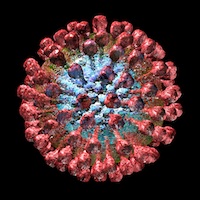
Flu virus life cycle. Copyright Russell Kightley Media

The September 2009 issue of Nature Biotechnology has a letter concerning the receptor specificity of AH1N1 2009 pandemic influenza virus – which accounts pretty well for why it CAN be pretty nasty, and for why it may get nastier yet.

Childs et al., in a letter entitled “Receptor-binding specificity of pandemic influenza A (H1N1) 2009 virus determined by carbohydrate microarray“, describe what amounts to a tour de force analysis of the receptor binding of a number of influenza viruses, which concludes with the statement that:

“The differences in receptor binding between the 2009 pandemic and seasonal H1N1 viruses may therefore account, at least in part, for the higher virus replication and greater pathology reported in the lungs of ferrets, mice and nonhuman primates infected with pandemic viruses, than observed with contemporary seasonal viruses.”

Which would help explain why some otherwise healthy young people are dying of the virus, while others are getting only mildly ill.  But we get ahead of ourselves: in January last year I wrote in MicrobiologyBytes about recpetor specificities of A-type influenza viruses, in the context of how H5N1 was less likely to mutate to easy human-to-human transmissibility than had origianlly been thought.

I wrote at the time:

According to a letter in the January 2008 issue of Nature Biotechnology, it is a characteristic structural topology, and not just the α2,6 linkage, that enables specific binding of HA to α2,6 sialylated glycans. The authors state:

…recognition of this topology may be critical for adaptation of HA to bind glycans in the upper respiratory tract of humans. An integrated biochemical, analytical and data mining approach demonstrates that HAs from the human-adapted H1N1 and H3N2 viruses, but not H5N1 (bird flu) viruses, specifically bind to long α2-6 sialylated glycans with this topology. This could explain why H5N1 viruses have not yet gained a foothold in the human population.

Apparently the critical shape in humans is umbrella-like, whereas the avian receptor is characteristically cone-like. Again from the paper:

The topology of α2-3 and α2-6 is governed by the glycosidic torsion angles of the trisaccharide motifs-Neu5Aca2-3Galb1-3/4GlcNAc and Neu5Aca2-6Galb1-4GlcNAc, respectively (Supplementary Fig. 3 online).

Ram Sasisekharan and colleagues showed that human-adapted viruses with mixed α2,3/α2,6 binding ability that bound the umbrella-type receptor were efficiently transmitted, whereas viruses with the same basic specificity that did not have HA binding specificity to “long” α2,6, were not.

The present paper reports the following investigation:

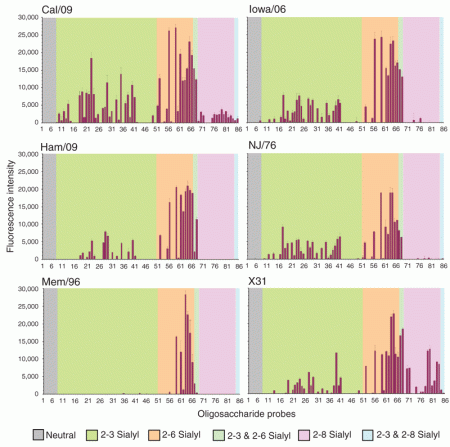
“We have compared directly, by carbohydrate microarray analysis, the receptor-binding characteristics of two isolates of the novel pandemic H1N1 virus, Cal/09 and A/Hamburg/5/2009 (Ham/09), with those of a seasonal human H1N1 virus, A/Memphis/14/96-M (Mem/96), as representative of a virus well adapted to humans [and a reassortant human H3N2 virus A/Aichi/2/68 x PR8 (X31)]. As the HA of the novel H1N1 pandemic virus originated from a virus similar to triple reassortant swine H1N1 viruses, we compared one such example, A/Iowa/1/2006 (Iowa/06), isolated from a human infection, and an older close relative of classical swine H1N1 viruses, A/New Jersey/76 (NJ/76), the human isolate that initiated the concern of a pandemic threat in 1976.”

This is a really comprehensive analysis – for such a short communication – which throws up a number of interesting points.  First, I was not aware it was possible to do “carbohydrate microarrays”!  Second, the paper shows quite conclusively that the swine-derived AH1N1 viruses have a significantly wider range of receptor specificities than a standard seasonal AH1N1 virus, and – but to a lesser extent – than the reassortant H3N2 virus X31.

Carbohydrate microarray analyses of the six viruses investigated.
From the following article (with permission from NBT):
Receptor-binding specificity of pandemic influenza A (H1N1) 2009 virus determined by carbohydrate microarray.
Robert A Childs, Angelina S Palma, Steve Wharton, Tatyana Matrosovich, Yan Liu, Wengang Chai, Maria A Campanero-Rhodes, Yibing Zhang, Markus Eickmann, Makoto Kiso, Alan Hay, Mikhail Matrosovich & Ten Feizi.
Nature Biotechnology 27, 797 – 799 (2009).
doi:10.1038/nbt0909-797

flu_receptor

Legend:
Numerical scores for the binding signals are shown as means of duplicate spots at 5 fmol per spot (with error bars). The microarrays consisted of eighty sialylated and six neutral lipid-linked oligosaccharide probes, printed on nitrocellulose-coated glass slides. These are listed in Supplementary Table 1 and arranged according to sialic acid linkage, oligosaccharide backbone chain length and sequence. The various types of terminal sialic acid linkage are indicated by the colored panels as defined at the bottom of the figure.

And what does all this mean, exactly?  The authors sum it up well:

These results indicate that no major change in receptor-binding specificity of the HA was required for the emergent pandemic virus to acquire human-like characteristics and become established in the human population. …

The broader specificity, namely, the ability to bind to 2-3- in addition to 2-6-linked receptors is also pertinent to the greater virulence of the pandemic virus than seasonal influenza viruses observed in animal models, and its capacity to cause severe and fatal disease in humans, despite the generally mild nature of most infections. Binding to 2-3-linked receptors is thought to be associated with the ability of influenza viruses to infect the lower respiratory tract where there is a greater proportion of 2-3- relative to 2-6-linked sialyl glycans, although long chain 2-3-linked sialyl (poly-N-acetyllactosamine) sequences are present in ciliated bronchial epithelial cells in humans where they are the receptors for another human pathogen, Mycoplasma pneumoniae.

So there you have it: the viruses can get deeper in to your lungs than the standard flu – which, if it happens, can make you seriously ill.

So what happens if it gets better at binding the 2,3-type receptors in humans?  Well, we’re only in the middle of the pandemic.  We may yet find out the hard way.