Archive for the ‘Influenza viruses’ Category

Narcolepsy traced to specific [flu] vaccine batches

4 June, 2012

See on Scoop.itVirology News

“A new Swedish study shows that all Swedes who developed narcolepsy from the swine flu vaccine Pandemrix received the vaccine from 12 of the 35 batches, despite the claim by the responsible agency that no such connection exists.”

There are some slightly disturbing connections between the H1N1 2009 pdm virus and narcolepsy: the virus itself seems to have caused narcolepsy in some of those infected; now a vaccine is implicated – is this an innate property of certain of the virus proteins, possibly?

See on www.thelocal.se

Nano Patents and Innovations: Powerful New Approach To Attack Flu Virus

28 May, 2012

See on Scoop.itVirology and Bioinformatics from Virology.ca

An international research team has manufactured a new protein that can combat deadly flu epidemics.

The paper, featured on the cover of the current issue of Nature Biotechnology, demonstrates ways to use manufactured genes as antivirals, which disable key functions of the flu virus, said Tim Whitehead, assistant professor of chemical engineering and materials science at Michigan State University.

See on nanopatentsandinnovations.blogspot.fr

Pandemic 2009 H1N1 vaccination produces antibodies against multiple flu strains

27 May, 2012

See on Scoop.itVirology News

“The pandemic 2009 H1N1 vaccine can generate antibodies in vaccinated individuals not only against the H1N1 virus, but also against other influenza virus strains including H5N1 and H3N2.”


And a possible reason for this could be that the H1N1pdm virus’ haemagglutinin is a natural “ancestral” sequence – the kind that HIV vaccine researchers are looking for for gp120/160, which have been shown to elicit a wider spectrum of cross-reacting antibodies than “evolved” proteins, or ones that have been selected for antigenic escape in humans for a good few viral generations.


Flu vaccine graphic by Russell Kightley Media

See on www.eurekalert.org

Flu shot offers surprising benefits for pregnant women; Vaccine may fight stillbirth, preterm birth, and very low birth weight

25 May, 2012

See on Scoop.itVirology News

A new study announced Tuesday finds the H1N1 flu vaccine not only can protect you from getting sick but can actually benefit your baby.

Researchers from the University of Ottawa in Canada examined data from more than 55,000 child births in Ontario during an outbreak of H1N1, comparing mothers who were vaccinated to those who weren’t.

While prior research has found that pregnant women can safely get the flu shot at any stage of their pregnancies — something many doctors vehemently support — the new findings associate H1N1 vaccinations with a significantly reduced risk of stillbirth, preterm birth, and very low birth weight.

“These are all significant results, but especially interesting is the finding that the vaccinated mothers were one-third less likely to have a stillborn child,” said study researcher Deshayne Fell, a graduate student at McGill University who works with the birth record database. “This is one of the only studies large enough to evaluate the association between maternal flu vaccination and stillbirth — a very rare event.”


So much for the disinformation about dangers to pregnant women: in fact, Spanish Flu and the recent H1N1 pandemic were both especially dangerous for unprotected pregnant women.

See on www.nydailynews.com

Setting up a platform for plant-based influenza virus vaccine production in South Africa

5 May, 2012

A virus-like particle formed by influenza virus haemagglutinin budding out of plant cells. By Russell Kightley Media

See it also on Scoop.itVirology News

Our (very) recently-published article on plant-made flu vaccines in BMC Biotechnology:

Setting up a platform for plant-based influenza virus vaccine production in South Africa

Elizabeth Mortimer, James M Maclean, Sandiswa Mbewana, Amelia Buys, Anna-Lise Williamson, Inga I Hitzeroth and Edward P Rybicki

Background
During a global influenza pandemic, the vaccine requirements of developing countries can surpass their supply capabilities, if these exist at all, compelling them to rely on developed countries for stocks that may not be available in time. There is thus a need for developing countries in general to produce their own pandemic and possibly seasonal influenza vaccines. Here we describe the development of a plant-based platform for producing influenza vaccines locally, in South Africa. Plant-produced influenza vaccine candidates are quicker to develop and potentially cheaper than egg-produced influenza vaccines, and their production can be rapidly upscaled. In this study, we investigated the feasibility of producing a vaccine to the highly pathogenic avian influenza A subtype H5N1 virus, the most generally virulent influenza virus identified to date. Two variants of the haemagglutinin (HA) surface glycoprotein gene were synthesised for optimum expression in plants: these were the full-length HA gene (H5) and a truncated form lacking the transmembrane domain (H5tr). The genes were cloned into a panel of Agrobacterium tumefaciens binary plant expression vectors in order to test HA accumulation in different cell compartments. The constructs were transiently expressed in tobacco by means of agroinfiltration. Stable transgenic tobacco plants were also generated to provide seed for stable storage of the material as a pre-pandemic strategy.

Results
For both transient and transgenic expression systems the highest accumulation of full-length H5 protein occurred in the apoplastic spaces, while the highest accumulation of H5tr was in the endoplasmic reticulum. The H5 proteins were produced at relatively high concentrations in both systems. Following partial purification, haemagglutination and haemagglutination inhibition tests indicated that the conformation of the plant-produced HA variants was correct and the proteins were functional. The immunisation of chickens and mice with the candidate vaccines elicited HA-specific antibody responses.

Conclusions
We managed, after synthesis of two versions of a single gene, to produce by transient and transgenic expression in plants, two variants of a highly pathogenic avian influenza virus HA protein which could have vaccine potential. This is a proof of principle of the potential of plant-produced influenza vaccines as a feasible pandemic response strategy for South Africa and other developing countries.”

I have mentioned time and again that going green is the sensible thing to do: here is a concrete example of how my research group is trying to go about it.  This is a very sensible technology for rapid-response vaccine production, and especially for emerging or orphan or pandemic virus threats.  We got really good expresion levels of H5N1 HA protein via transient expression in plants, and have already started on pandemic H1N1 HA expression.  Let’s hope some governmental types in SA take some notice!

I thank Russell Kightley Media for the specially-commissioned graphic of budded HA-only VLPs.


Engineered H5N1: the wheels grind on, and on, and on….

19 April, 2012

The Scientist has a nice collection of articles on this topic, which I have commented on all over the place, so I though I might consolidate some of it in one place.

In response to the article entitled “Deliberating Over Danger“, I wrote the following:

The point I and others have made before is that H5N1 and other influenza viruses are not waiting for us to let engineered versions loose, before they cause pandemics: all of the mutations noted by the Fouchier and Kawaoka groups are almost certainly present in the several environments where H5N1 viruses are now endemic – and all it takes for all of them to be present together is a little more mixing.

Don’t discount other flu subtypes, either: while everyone is obsessing about H5N1, H3N2 is busy popping out of pigs in the USA; H9N2 in birds in Bangladesh; H5N2 in ostriches in South Africa – and all it would take is one or a couple of fortuitous reassortments, and a whole new flu virus could be unleashed.

While the “deadly” H5N1s are being worked on in lockdown facilities.

If we don’t know what the virus does, we won’t know what it can do. If we don’t know what to look for, we may be taken unawares, when the next 1918-type pandemic strikes.

I want to have universal flu vaccines by then – so we won’t HAVE to worry about a new flu

.

There are also three newer articles covering the controversy: these are

  • H5N1 Researcher to Defy Dutch Gov’t?
  • (with my comment – “Export permit to publish something?  Really?  A complete misapplication of laws to material that should not be subject to them.”)
  • White House Weighs in on H5N1
  • Flu Review Criticized
  • (with my comment – “So after a full and frank hearing did not go his way, after changes had been made to the paper in question (Fouchier’s), Osterholm complains.  Such is life….”

There is the slightly older article – “Bird Flu Papers to Publish” – describing the reversal of the NSABB’s decision to ask for redaction of the two papers describing mammal-to-mammal aerosol-transmissible H5N1.

An interesting article also describes Yoshihiro Kawaoka’s results:

“First, he introduced two mutations—N224K and Q226L—into the haemagglutinin (HA) protein of H5N1 that made the virus capable of sticking to receptors on human tracheal cells. Then he created a chimeric virus by combining the mutated HA protein with genes from the H1N1 virus, which sparked a pandemic in 2009. Kawaoka identified another HA mutation, called N158D, that allowed the virus to spread between ferrets that were not in direct physical contact. A fourth mutation, T318I, also showed up in the H5N1 strain, but its role in making the virus more transmissible among mammals is less clear.”

So there you are: an actual recipe for aerosol-transmissible H5N1.  It was always going to come out somehow, and now these two papers will probably the most cited flu papers ever.  Nothing like a little hype!  Meanwhile, H5 and its brothers and sisters are out there mutating away, with no help needed from anyone.  Roll on universal flu vaccines!!

And while they were arguing about killer H5N1…

8 February, 2012

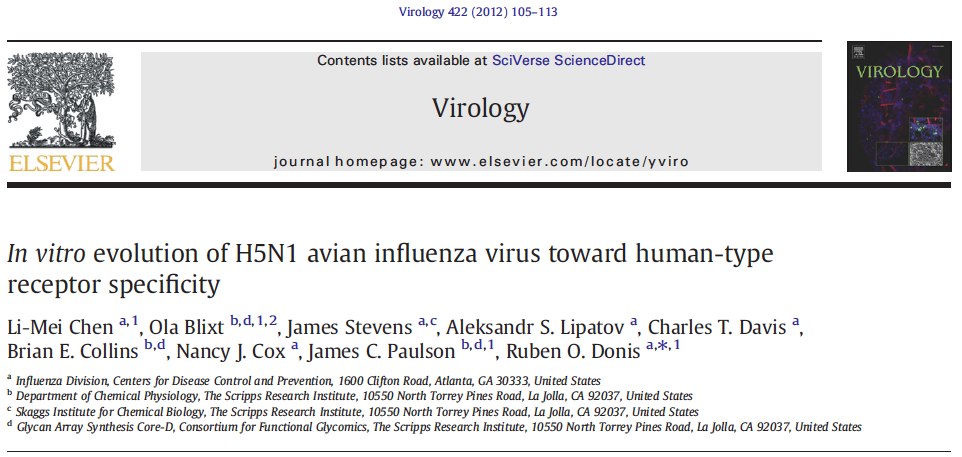
…Elsevier’s Virology was calmly publishing another paper on a “mutant” H5N1….

The abstract:

Acquisition of α2-6 sialoside receptor specificity by α2-3 specific highly-pathogenic avian influenza viruses (H5N1) is thought to be a prerequisite for efficient transmission in humans. By in vitro selection for binding α2-6 sialosides, we identified four variant viruses with amino acid substitutions in the hemagglutinin (S227N, D187G, E190G, and Q196R) that revealed modestly increased α2-6 and minimally decreased α2-3 binding by glycan array analysis. However, a mutant virus combining Q196R with mutations from previous pandemic viruses (Q226L and G228S) revealed predominantly α2-6 binding. Unlike the wild type H5N1, this mutant virus was transmitted by direct contact in the ferret model although not by airborne respiratory droplets. However, a reassortant virus with the mutant hemagglutinin, a human N2 neuraminidase and internal genes from an H5N1 virus was partially transmitted via respiratory droplets. The complex changes required for airborne transmissibility in ferrets suggest that extensive evolution is needed for H5N1 transmissibility in humans. [my emphasis – Ed]

I have covered the use of glycan arrays to characterise influenza viruses’ binding specificity previously; I thought then, and do now, that it is a very cool technology – and one that has shown in this case that H5N1 variants can be selected from an originally “wild” population, that preferentially bind the human-type receptor.

And they did it like this:

To examine the functional evolution of H5 HA receptor specificity in the laboratory, we implemented an in vitro receptor-binding virus enrichment approach that recapitulates in vivo selection. Synthetic 6′-sialyl (N-acetyl-lactosamine) (6′ SLN) was used as the affinity ligand mimicking the human receptor to capture spontaneous viral receptor variants on the surface of magnetic beads. Starting with a pool of 108 EID50 of A/Vietnam/1203/2004 (VN04 virus), we performed four consecutive rounds of in vitro binding and elution followed by isolation of 150 individual virus clones by plaque purification and characterization by sequence analysis.

No “genetic engineering” here – or furore over “killer viruses escaping the lab!”  Possibly because (a) “mutant virus was transmitted by direct contact in the ferret model although not by airborne respiratory droplets”, and (b) “a reassortant virus with the mutant hemagglutinin, a human N2 neuraminidase and internal genes from an H5N1 virus was partially transmitted via respiratory droplets” [my emphasis].

Meaning they didn’t actually make anything that could immediately elicit such scare-mongering as the more notorious studies I and many others have reported on previously.

However, the grim NSABB folk were quick to decry the publication, saying “”I think it is fair to say that we would have liked to have seen it before it was published,” [Paul Keim, chairman of the National Science Advisory Board for Biosecurity], and the “…altered bird flu virus could mutate in dangerous ways if unleashed in nature”.

I am more worried, to be perfectly honest, over the dangerous ways the the wild type virus could mutate IN nature, given that mutants can be selected so apparently easily!

A Short History of the Discovery of Viruses – Part 2

7 February, 2012

The following text has now appeared in modified form in an ebook, for sale for US$4.99 on the iBooks Store

The Ultracentrifuge, Eggs and Flu

The ultracentrifuge

A technical development that was to greatly advance the study of viruses was begun in 1923, but only reached fruition by the 1930s: this was the ultracentrifuge, invented and developed first by Theodor (“The”) Svedberg in Sweden as a purely analytical tool, and later by JW Beams and EG Pickels in the USA as an analytical and preparative tool.  The ultracentrifuge revolutionised first, the physical analysis of proteins in solution, and second, the purification of proteins, viruses and cell components, by allowing centrifugation at speeds high enough to allow pelleting of subcellular fractions.

Analytical centrifugation and calculation of molecular weights of particles gave some of the first firm evidence that certain proteins, and virus particles, were large, regular objects.  Indeed, it came to be taken as a given that one of the fundamental properties of a virus particle was its sedimentation coefficient, measured in svedbergs (a unit of 10-13 seconds, shown as S20,W).  This is also how ribosomes of pro- and eukaryotes came to be named: these are known as 70S (prokaryote) and 80S ribosomes, respectively, based on their different sedimentation rates.

The Official Discovery of Influenza Virus

In 1931, Robert Shope in the USA managed to recreate swine influenza by intranasal administration of filtered secretions from infected pigs.  Moreover, he showed that the classic severe disease required co-inoculation with a bacterium – Haemophilus influenza suis – originally thought to be the only agent.  He also pointed out the similarities between the swine disease and the Spanish Flu, where most patients died of secondary infections.  However, he also suggested that the virus survived seasonally in a cycle involving the pig, lungworms, and the earthworm, which is now known to be completely wrong.

This notwithstanding, he found that people who had survived infection during the 1918 pandemic had antibodies protecting them against the swine flu virus, while people born after 1920 did not, which showed that the 1918 human and swine flu viruses were very similar if not identical. This was a very relevant discovery for what happened much later, in the 2009 influenza pandemic, when the same virus apparently came back into the human population from pigs after circulating in them continuously since 1918.

Shope went on in 1932 to discover, with Peyton Rous, what was first called the Shope papillomavirus and later Cottontail rabbit papillomavirus: this causes benign cancers in the form of long hornlike growths on the head and face of the animal. This may explain the sightings in the US Southwest of the near-mythical “jackalope”.

Influenza viruses in pigs

Influenza viruses in pigs

Patrick Laidlaw and William Dunkin, working in the UK at the National Institute for Medical Research (NIMR), had by 1929 successfully characterised the agent of canine distemper – a relative of measles, mumps and distemper morbilliviruses – as a virus, proved it infected dogs and ferrets, and in 1931 got a vaccine into production that protected dogs.  This was made from chemically inactivated filtered tissue extract from infected animals.  Their work built on and completely eclipsed earlier findings, such as those of Henri Carré in France in 1905, who first claimed to have shown it was a filterable agent, and Vittorio Puntoni, who first made a vaccine in Italy from virus-infected brain tissue inactivated with formalin in 1923.

Influenza and Ferrets: the Early Days

Continuing from Laidlaw and Dunkin’s work in the same institute, Christopher Andrewes, Laidlaw and W Smith reported in 1933 that they had isolated a virus from humans infected with influenza from an epidemic then raging.  They had done this by infecting ferrets with filtered extracts from infected humans – after the fortuitous observation that ferrets could apparently catch influenza from infected investigators!  The “ferret model” was very valuable – see here for modern use of ferrets – as strains of influenza virus could be clinically distinguished from one another.

Eggs and Flu and Yellow Fever

Influenza virus and eggs: large-scale culture

Frank Macfarlane Burnet from Australia visited the NIMR in the early 1930s, and learned a number of techniques he used to great effect later on.  Principal among these was the technique of embryonated egg culture of viruses – which he took back to Melbourne, and applied to the infectious laryngotracheitis virus of chickens in 1936.  This is a herpesvirus, first cultivated by JR Beach in the USA in 1932: Burnet used it to demonstrate that it was possible to do “pock assays” on chorioallantoic membranes that were very similar to the plaque assays done for bacteriophages, with which he was also very familiar.  Also in 1936, Burnet started a series of experiments on culturing human influenza virus in eggs: he quickly showed that it was possible to do pock assays for influenza virus, and that

“It can probably be claimed that, excluding the bacteriophages, egg passage influenza virus can be titrated with greater accuracy than any other virus.”

Max Theiler and colleagues in the USA took advantage of the new method of egg culture to adapt the French strain of yellow fever virus (YFV) he had grown in mouse brains to being grown in chick embryos, and showed that he could attenuate the already weakened strain even further – but it remained “neurovirulent”, as it caused encephalitis or brain inflammation in monkeys.  He then adapted the first YFV characterised – the Asibi strain, from Ghana in 1927 – to being grown in minced chicken embryos lacking a spinal cord and brain, and showed in 1937 that after more than 89 passages, the virus was no longer “neurotrophic”, and did not cause encephalitis.   The new 17D strain of YFV was successfully tested in clinical trials in Brazil in 1938 under the auspices of the Rockefeller Foundation, which has supported YFV work since the 1920s.  The strain remains in use today, and is still made in eggs.

Virus purification and the physicochemical era

Given that the nature of viruses had prompted people to think of them as “chemical matter”, researchers had attempted from early days to isolate, purify and characterise the infectious agents.  An early achievement was the purification of a poxvirus in 1922 by FO MacCallum and EH Oppenheimer. 

Much early work was done with bacteriophages and plant viruses, as these were far easier to purify or extract at the concentrations required for analysis, than animal or especially human viruses. 

CG Vinson and AM Petre, working with the infectious agent causing mosaic disease in tobacco – tobacco mosaic virus, or TMV – showed in 1931 that they could precipitate the virus from suspension as if it were an enzyme, and that infectivity of the precipitated preparation was preserved.  Indeed, in their words:

“…it is probable that the virus which we have investigated reacted as a chemical substance”.

Viruses in Crystal

An important set of discoveries started in 1935, when Wendell Stanley in the USA published the first proof that TMV could be crystallised, at the time the most stringent way of purifying molecules.  He also reported that the “protein crystals” were contaminated with small amounts of phosphorus.  An important finding too, using physical techniques including ultracentrifugation and later, electron microscopy, was that the TMV “protein” had a very high molecular weight, and was in fact composed of large, regular particles.  This was a very significant discovery, as it indicated that some viruses at least really were very simple infectious agents indeed.

TMV particle: 95% protein, 5% RNA

However, his conclusion that TMV was composed only of protein was soon challenged, when Norman Pirie and Frederick Bawden working in the UK showed in 1937 that ribonucleic acid (RNA) – which consists of ribose sugar molecules linked by phosphate groups – could be isolated consistently from crystallised TMV as well as from a number of other plant viruses, which accounted for the phosphorus “contamination”.  This resulted in the realisation that TMV and other plant virus particles – now known to be virions – were in fact nucleoproteins, or protein associated with nucleic acid.

Stanley received a share of the Nobel Prize in Chemistry in 1946 for his work on TMV: it is instructive to read his acceptance speech from the time to realise what the state of the science that was becoming virology was at the time.  He wrote:

“Since the original discovery of this infectious, disease-producing agent, known as tobacco mosaic virus, well over three hundred different viruses capable of causing disease in man, animals and plants have been discovered. Among the virus-induced diseases of man are smallpox, yellow fever, dengue fever, poliomyelitis, certain types of encephalitis, measles, mumps, influenza, virus pneumonia and the common cold. Virus diseases of animals include hog cholera, cattle plague, foot-and-mouth disease of cattle, swamp fever of horses, equine encephalitis, rabies, fowl pox, Newcastle disease of chickens, fowl paralysis, and certain benign as well as malignant tumors of rabbits and mice. Plant virus diseases include tobacco mosaic, peach yellows, aster yellows, potato yellow dwarf, alfalfa mosaic, curly top of sugar beets, tomato spotted wilt, tomato bushy stunt, corn mosaic, cucumber mosaic, and sugar cane yellow stripe. Bacteriophages, which are agents capable of causing the lysis of bacteria, are now regarded as viruses”.

Two of the most interesting things about the article, however, are the electron micrographs of virus particles – Stanley had one of the first electron micrsoscopes available at the time –  and the table of sizes of viruses, proteins and cells that had been determined by then by techniques such as ultracentrifugation and filtration: TMV was known to be rodlike, 15 x 280 nm; vaccinia was 210 x 260 nm; poliomyelitis was 25 nm; phages like T2 were known to have a head-and-tail structure.

Seeing is Believing: the Electron Microscope

First Electron Microscope with Resolving Power Higher than that of a Light Microscope. Ernst Ruska, Berlin 1933 Wikipedia CC BY-SA 3.0, https://www.flickr.com/photos/93452909@N00/176059674

First Electron Microscope with Resolving Power Higher than that of a Light Microscope. Ernst Ruska, Berlin 1933
Wikipedia CC BY-SA 3.0, https://www.flickr.com/photos/93452909@N00/176059674

The development of the electron microscope, in Germany in the 1930s, represented a revolution in the investigation of virus structures: while virions of viruses like variola and vaccinia could just about be seen by light microscopy – and had been, as early as 1887 by John Buist and others – most viruses were far too small to be visualised in this way. 

While Ernst Ruska received a Nobel Prize in 1986 for developing the electron microscope, it was his brother Helmut who first imaged virus particles – using beams of electrons deflected off virus particles coated in heavy metal atoms.  From 1938 through the early 1940s, using his “supermicroscope”, he imaged virions of poxviruses, TMV, varicella-zoster herpesvirus, and bacteriophages, and showed that they were all particulate – that is, they consisted of regular and sometimes complex particles, and were often very different from one another.  He even proposed in 1943 a system of viral classification on the basis of their perceived structure.

While electron microscopy was also used medically to some extent thereafter – for example, in differentiating smallpox from chickenpox by imaging particles of variola virus and varicella-zoster virus, respectively, derived from patients’ vesicles – its use was limited by the expense and cumbersome nature of sample preparation. For example, the micrographs in Stanley’s 1946 paper were all done with samples “…prepared with gold by the shadow-casting technique”.

The use of the cumbersome technique of metal shadow-casting, and the highly inconvenient nature of electron microscopy as a routine tool all changed from 1959 onwards, when Sydney Brenner and Robert Horne published “A negative staining method for high resolution electron microscopy of viruses”.  This method involves the use of viruses in liquid samples deposited on carbon-coated metal grids, and then stained with heavy-metal salts such as phosphotungstic acid (PTA) or uranyl acetate.

This simple technique revolutionised the field of electron microscopy, and within just a few years much information was acquired about the architecture of virus particles. Not only were the overall shapes of particles revealed, but also the details of the symmetrical arrangement of their components. Some beautiful examples can be seen here, at the Cold Spring Harbor site.

Depiction of the effects of using a heavy metal salt solution to negatively stain particles on a carbon film. The stain (dark) pools around the particles (light).  Human rotavirus particles, stained from below (left) and by immersion (right).
Images copyright LM Stannard

Depiction of the effects of using a heavy metal salt solution to negatively stain particles on a carbon film. The stain (dark) pools around the particles (light). Human rotavirus particles, stained from below (left) and by immersion (right).
Images copyright LM Stannard

Click here for Part 1: Filters and Discovery

here for Part 3: Phages, Cell Culture and Polio

and here for Part 4: RNA Genomes and Modern Virology

Copyright Edward P Rybicki and Russell Kightley, February 2015, except where otherwise noted.

A Short History of the Discovery of Viruses – Part 1

6 February, 2012

The following text has now appeared in modified form in an ebook, for sale for US$4.99 on the iBooks Store

A Short History of the Discovery of Viruses

While people were aware of diseases of both humans and animals now known to be caused by viruses many hundreds of years ago, the concept of a virus as a distinct entity dates back only to the very late 1800s.  Although the term had been used for many years previously to describe disease agents, the word “virus” comes from a Latin word simply meaning “slimy fluid”.

Porcelain filters and the discovery of viruses

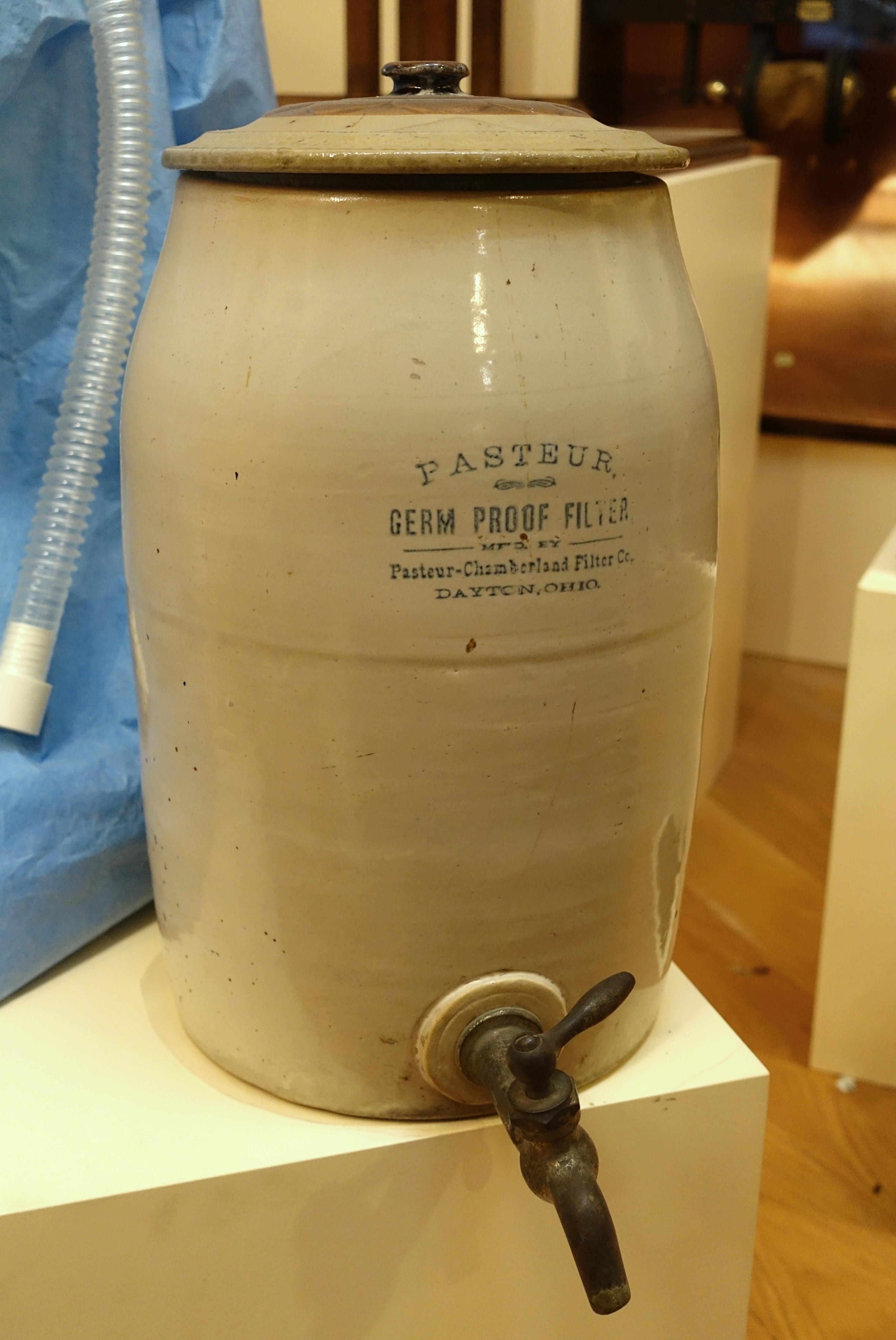
The invention that allowed viruses to be discovered at all was the Chamberland-Pasteur filter.  This was developed in 1884 in Paris by Charles Chamberland, who worked with Louis Pasteur.  It consisted of unglazed porcelain “candles”, with pore sizes of 0.1 – 1 micron (100 – 1000 nm), which could be used to completely remove all bacteria or other cells known at the time from a liquid suspension.  Though this simple invention essentially enabled the establishment of a whole new science – virology – the continued development of the discipline required a string of technical developments, which I will highlight as appropriate.

Pasteur Germ Proof Filter, c. 1890, Pasteur-Chamberland Filter Co., Dayton, Ohio – Museum of Science and Industry (Chicago)


As the first in what was to be an interesting succession of events, Adolf Eduard Mayer from Germany, publishing in 1886 on work done in Holland from 1879, showed that the “mosaic disease” of tobacco – or “mozaïkziekte”, as he named it in his paper – could be transmitted to other plants by rubbing a liquid extract, filtered through paper, from an infected plant onto the leaves of a healthy plant.  However, he came to the erroneous conclusion that it must be a bacterial disease.

The first use of porcelain filters to characterize what we now know to be a virus was reported by Dmitri Ivanovski in St Petersburg in Russia, in 1892.  He had used a filter candle on an infectious extract of tobacco plants with mosaic disease, and shown that it remained infectious: however, he concluded the agent was probably a toxin as it appeared to be soluble.

The Dutch scientist Martinus Beijerinck in 1898 reported similar experiments with bacteria-free filtered extracts, but made the conceptual leap and described the agent of mosaic disease of tobacco as a “contagium vivum fluidum”, or contagious living fluid, because he was convinced the infectious agent had a liquid nature. The extract was completely sterile, could be kept for years, but remained infectious.  The term virus was later used to describe such fluids, also called “filterable agents”, which were thought to contain no particles.  The virus causing mosaic disease is now known as Tobacco mosaic virus (TMV).  A paper commemorating Ivanovsky and Beijerinck’s work – “One Hundred Years of Virology” – was published in Journal of Virology 1992 to honour both pioneers.

The first animal viruses

The second virus discovered was what is now known as Foot and mouth disease virus (FMDV) of farm and other animals, in 1898 by the German scientists Friedrich Loeffler and Paul Frosch.  Again, their “sterile” filtered liquid proved infectious in calves, providing the first proof of viruses infecting animals – a fact commemorated by an article in 1998 in the Journal of General Virology.  Indeed, some believe that the true discoverers of viruses were these two scientists, as they concluded the infectious agent was a tiny particle, and was not a liquid agent.  The two went further by showing that it was possible to vaccinate cows and sheep against the disease using filtered vesicle extract that had been heated sufficiently to destroy its infectivity: this was possibly the first use of an inactivated virus as a prophylactic vaccine.

In 1898 G Sanarelli, working in Uruguay, described the smallpox virus relative and tumour-causing myxoma virus of rabbits as a virus – but on the basis of sterilisation by centrifugation rather than by filtration.

The first human virus: yellow fever

The first human virus described was the agent which causes yellow fever: this probably originated in Africa, but was spread along with its mosquito vector Aedes aegyptii to the Americas and neighbouring islands by the slave trade.  Indeed, the  declaration of independence from France by Haiti in 1804 was made possible in part by the devastating effect of the disease on the French army sent to quell a slave revolt there. The virus was discovered and reported in 1901 by the US Army physician Walter Reed, after pioneering work in Cuba by Carlos Finlay reported in 1881 hypothesising that mosquitoes transmitted the deadly disease

The agent became the subject of intense study because, in the Spanish-American war in Cuba in the 1890s, about 13 times as many soldiers died of yellow fever as died from wounds. The subsequent eradication of mosquitoes in Panama is probably what allowed the completion of the Panama Canal – stalled because of the death rate among workers from yellow fever and malaria.

Rinderpest and rabies

The paper describing rinderpest as a virus disease

A finding that was later to have great importance in veterinary virology was the discovery by Maurice Nicolle and Adil Mustafa (also known as Adil-Bey), in Turkey in 1902, that rinderpest or cattle plague was caused by a virus.  This had been for several centuries the worst animal disease known worldwide in terms of mortality: for example, an epizootic or animal epidemic in Africa in the 1890s that had started in what is now Ethiopia in 1887 from cattle imported from Asia, had spread throughout the continent by 1897, and killed 80-90% of the cattle and a large proportion of susceptible wild animals in southern Africa.  Many thousands of people died of starvation as a result.  The virus is, incidentally, only the second to have ever been eradicatednearly 100 years after its discovery.

Viruses and Vaccines

Sir Arnold Theiler, a Swiss-born veterinarian working in South Africa, had been appointed as state veterinarian for the Zuid-Afrikaansche Republiek prior to 1899, on the strength of his having produced a smallpox vaccine for miners in the Johannesburg area.  He then developed a crude vaccine against rinderpest by 1897, without knowledge of the nature of the agent: this consisted of blood from an infected animal, injected with serum from one that had recovered – something also shown to work with FMDV by Loeffler and Frosch.  This risky mixture worked well enough, however, to eradicate the disease in the region.  He went on to do the same thing successfully for African horsesickness virus and other disease agents, in an institute (Onderstepoort Veterinary Institute) that still works on the virus.

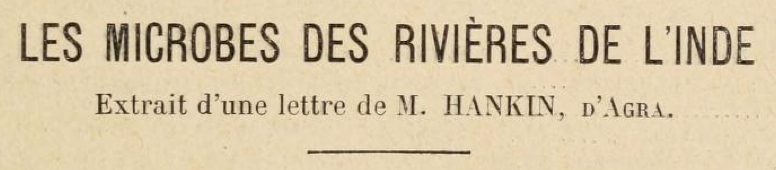
The description in Annales de l’Institut Pasteur by Remlinger and Riffat-Bay in 1903 of the agent of rabies as a “filterable virus was the culmination of many years of distinguished work in France on the virus, started by Louis Pasteur himself. While Remlinger credited Pasteur with having the notion in 1881 that rabies virus was an ultramicroscopic particle, the fact is that Pasteur and Emile Roux had also, in 1885, effectively made a vaccine against rabies by use of dried infected rabbit spinal cords, without any knowledge of what the agent was.
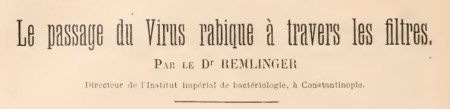
Title page of the original article in Annales de l’Institut Pasteur Volume 17 of 1903

It is interesting that the same volume of the Annales which reported the rabies agent also has a discussion on whether or not the smallpox agent variola virus and the vaccine against it, vaccinia virus, were differently-adapted variants of the same thing, or were different viruses.

More and more viruses

The viral nature of many disease agents started to be made evident around this time, as more researchers started investigating known diseases.  In 1904, E Baur in Germany described an infectious variegation of Abutilon that could only be transmitted by grafting, that was not associated with visible bacteria.  This is now known to be due to Abutilon mosaic virus, now known to be a single-stranded DNA geminivirus.
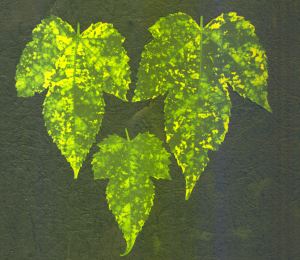
Abutilon mosaic

Incidentally, the earliest recorded description of a plant disease was probably in a poem in 752 CE by the Japanese Empress Koken, describing symptoms in eupatorium plants.  It was shown in 2003 that the striking yellow-vein symptoms were caused by a geminivirus infection.

Interestingly, also in 1906, A Zimmermann proposed – in a paper entitled “Die Krauselkrankheit des Maniok” – that the agent of mosaic disease of cassava that had first been described from German East Africa (now Tanzania) in 1894, was a filterable virus.  This was the second geminivirus discovered, although this was only proved in the 1970s.

Cassava affected by a recombinant African cassava mosaic virus in western Kenya, 1997

Cassava affected by a recombinant African cassava mosaic virus in western Kenya, 1997.  Insets, from left: healthy cassava, mild disease, severe disease

In 1906, Adelchi Negri – who had previously discovered the Negri bodies in cells infected with rabies virus – showed that vaccinia virus, the vaccine for the dreaded smallpox caused by variola virus, was filterable.  This was the final step in a long series of discoveries around smallpox, that started with Edward Jenner’s use of what was supposedly cowpox, but may have been horsepox virus to protect people from the disease in 1796.
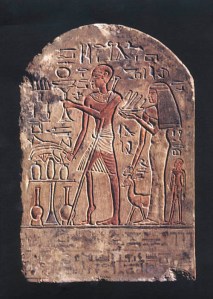
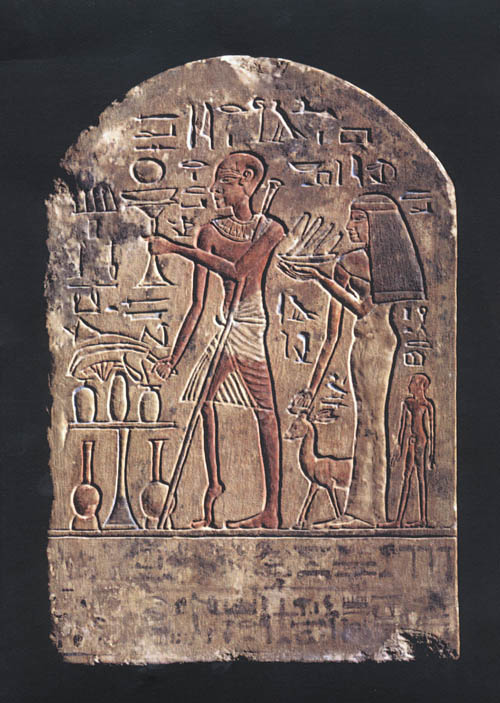
An Egyptian stele thought to represent a polio victim (1403–1365 BC). Note the characteristic withering of one leg.

An Egyptian stele thought to represent a polio victim (1403–1365 BC). Note the characteristic withering of one leg.

The disease now known as poliomyelitis was first clinically described in England in 1789, as “a debility of the lower extremities”.  However, it had been known since ancient times, and had even been depicted clearly in an Egyptian painting from over 3000 years ago.

An important development in human virology in 1908, therefore, was the finding by Karl Landsteiner and Erwin Popper in Germany that poliomyelitis or infantile paralysis in humans as it was known then, was caused by a virus: they proved this by injecting a cell-free extract of a suspension of spinal cord from a child who had died of the disease, into monkeys, and showing that they developed symptoms of the disease.

Viruses and cancer

In 1908, Oluf Bang and Vilhelm Ellerman in Denmark were the first to associate a virus with leukaemia: they successfully used a cell-free filtrate from chickens with avian leukosis to transmit the disease to healthy chickens.

The first solid tumour-causing virus, or virus associated with cancer, was found by Peyton Rous in the USA in 1911.  He showed that chicken sarcomas, or solid connective tissue tumours, could be transmitted by grafting, but also that a filterable or cell-free agent extracted from a sarcoma was infectious.  The virus was named for him as Rous sarcoma virus, and is now known to be a “retrovirus”,as is chicken leukaemia virus,in the same virus family as HIV.

Eaters of Bacteria: The Phages

"Twort" by Obituary Notices of Fellows of the Royal Society, Vol. 7, No. 20. (Nov., 1951), pp. 504-517.. Licensed under Public Domain via Wikimedia Commons - http://commons.wikimedia.org/wiki/File:Twort.jpg#mediaviewer/File:Twort.jpg

“Twort” by Obituary Notices of Fellows of the Royal Society, Vol. 7, No. 20. (Nov., 1951), pp. 504-517.. Licensed under Public Domain via Wikimedia Commons – http://commons.wikimedia.org/wiki/File:Twort.jpg#mediaviewer/File:Twort.jpg

Two independent investigations led to the important discovery of viruses that infect bacteria. In 1915, Frederick Twort in the UK accidentally found a filterable agent that caused the bacteria he was growing to lyse, or burst open.  Although he showed that it could pass through porcelain filters, and could be transmitted to other colonies of the same bacteria, he was not sure whether or not it was a virus, and referred to it as “the bacteriolytic agent”.  It is interesting that he was actually attempting to grow vaccinia virus in culture, and that it was a contaminating staphylococcus that he noticed was being lysed by his infectious agent.

www_sciencedirect_com_science__ob_PdfExcerptURL__imagekey_1-s2_0-S0140673601203833-main_pdf__piikey_S0140673601203833__cdi_271074__orig_article__zone_centerpane__fmt_abst__eid_1-s2_0-S0140673601203833__user_635696_md5_610868932f41b70483e225

The original article published by Twort in The Lancet in 1915

Subsequently, Félix d’Hérelle in Paris published in 1917 that he had discovered a virus that lysed a bacterial agent he was culturing in liquid broth – a Shigella – that caused human dysentery, or diarrhoea.  He named the virus “bacteriophage”, or eater of bacteria, derived from the Greek term “phagein”, meaning to eat.  He showed a number of interesting properties of his shigella-specific bacteriophages, including that they could be adapted to other Shigella species or types by passaging them repeatedly, and that they protected rabbits against infection by lethal doses of bacteria

D’Hérelle’s main interest in his new discovery was in using them as a therapeutic agent for bacterial infections in humans: sadly, this idea did not take off in Europe or the Americas, largely due to the unreliability of the ill-understood phage preparations, although it was extensively exploited in the former USSR. Indeed, he mentored George Eliava who went on to found the Eliava Institute in Tbilisi, Georgia, which became a major centre for the use of bacteriophage cocktails against persistent bacterial infections in humans.  A review on phage therapy from the Institute was recently published to mark the centenary of Twort’s discovery in 1915. An excellent – if slightly childish – animation describing phages and phage therapy can be seen here.

D‘Hérelle’s main interest in his new discovery was in using them as a therapeutic agent for bacterial infections in humans: sadly, this idea did not take off in Europe or the Americas, although it was extensively exploited in the former USSR.

The 1896 paper from Annales de l’Institut Pasteur

Interestingly, and as reported in ViroBlogy previously, what could have been the first discovery of phages was probably described by Ernest Hankin, who had previously proved in India that cholera was caused by bacteria.  In 1896 in Annales de l’Institut Pasteur, he documented that river water downstream of cholera-infested towns on the Jumma river in India contained no viable Cholera vibrio – and that this was a reliable property of the water, and was probably responsible for limiting the spread of cholera

While he did not prove the presence of a “filterable agent”, he was recognised by d’Hérelle and others as having contributed to the discovery of bacteriophages.  In fact, d’Hérelle went to India in 1927, and put cholera phage preparations into wells in villages with cholera patients: apparently the death toll went down from 60% to 8%.

Influenza A viruses in waterbirds – Russell Kightley Media

The virus as human plague: the Spanish Flu

Possibly the worst human plague the world has ever seen swept across the planet between 1918 and 1922: this was known as the Spanish Flu, from where it was first properly reported, and it went on to kill more than 50 million people all over the world.  We now know it to have been H1N1 influenza type A: modern reconstruction of the virus from archived tissue samples and frozen bodies found in permafrost has shown it probably jumped directly into humans from birds.

Most medical authorities at the time thought the disease was caused by bacteria – however, MJ Dujarric de la Rivière, and Charles Nicolle – brother of Maurice – and Charles  Lebailly in France, separately proposed in 1918 that the causative agent was a virus, based on properties of infectious extracts from diseased patients.  Specifically, they found that the infectious agent derived from bronchial expectoration of an infected person was filterable, caused disease in monkeys via nasal administration and human volunteers via subcutaneous injection, and was not present in the blood of an infected monkey.  However, many scientists at the time still doubted that influenza was a viral disease – despite this contemporary comment in the British Medical Journal of 1918.

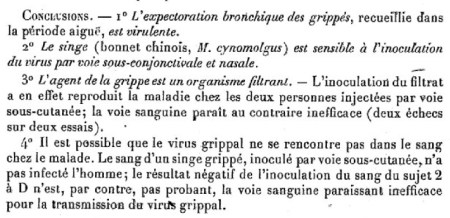
Conclusions from the Nicolle and Lebailly paper

Translation of this passage (courtesy of Mrs Francoise Williamson):

“Conclusions.

1⁰ The bronchial  expectoration of people suffering from flu, collected during the acute period, is virulent.
2⁰   The monkey (M. cynomolgus)  is sensitive to the virus  by sub-conjunctival and nasal inoculation.
3⁰   The flu agent is a filterable organism.  The inoculation  of the filtrate has indeed reproduced the illness in two of the people injected subcutaneously;  on the other hand when given intravenously it  appears to be ineffective. (two failures out of two tries).
4⁰ It is possible that the influenza virus does not occur in the patient’s blood.  The blood of a monkey with influenza, inoculated subcutaneously, did not infect man;  the negative blood result of subject 2 at D, is however, not convincing, the blood route seeming to be ineffective for  the flu virus transmission.”

Other agents of other diseases were found to be “filterable viruses” in the 1920s, including yellow fever virus by Adrian Stokes in 1927, in Ghana.  Indeed, the US bacteriologist and virologist Thomas Rivers in 1926 counted some sixty-five disease agents that had been identified as viruses.

Virus Assays: Counting the Viruses in the 1920s

The discovery of bacteriophages was a landmark in the history of virology, as it meant that for the first time it was relatively easy to work with viruses: many kinds of bacteria could be grown in solid or liquid culture quite easily, and the life cycle of the viruses could be studied in detail.  In fact, this later led to the birth of molecular biology, as described here

However, the beauty of working with phages was that they could be assayed – or counted in terms of infectious units – so easily, either by the plaque technique or by infections of liquid cultures.  This was not true of viruses of plants or of animals in the absence of similar culture techniques; these could only be assayed in a much more crude method using whole organisms.  One such method was by determining infection endpoints by serial dilution of inoculum, such as the now-famous ID50, or dose infecting 50% of the experimental subjects.

This changed in 1929 for plant viruses, with the demonstration by the plant virus pioneer FO Holmes that local lesions caused by infection of particular types of tobacco by TMV could be used as a means of assaying the infectivity of virus stocks.  This was then extended to other virus/host combinations, and allowed the rapid and quantitative assay of virus stocks – which, as it had done for phages, allowed the study of the properties of plant viruses, and led to their biological isolation and then purification.
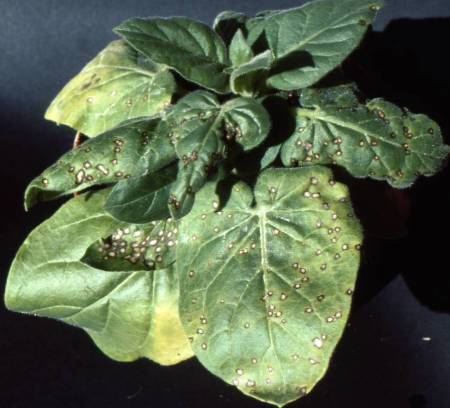
TMV-induced local lesions in N. tabacum cv. glutinosa

TMV-induced local lesions in N. tabacum cv. glutinosa

Eggs and animals for virus culture

Chicken eggs for virus growth and assay

Possibly the next most important methodological development in virology after the discovery of phages was the proof that embryonated or fertilized hen’s eggs could be used to culture a variety of important animal and human viruses.  Ernest Goodpasture, working at Vanderbilt University in the USA, showed in 1931 that it was possible to grow fowlpox virus – a relative of smallpox – by inoculating the chorioallantoic membrane of eggs, and incubating them further. 

egg

While tissue culture had in fact been practiced for some time – for example, as early as the 1900s, investigators had grown “vaccine virus” or the smallpox vaccine now called vaccinia virus in minced up chicken embryos suspended in chicken serum – this technique represented a far cheaper and much more “scalable” technique for growing pox- and other suitable viruses.

An important first in a chain of related discoveries was the one by Howard Andervost, at Harvard University in 1929, who showed that human herpes simplex virus could be cultured by injection into the brains of live mice.

This led to the demonstration in 1930 by the South African-born Max Theiler – son of Sir Arnold – also at Harvard, that yellow fever virus could be similarly cultured: this allowed much easier handling of the virus, which until then had to be injected into monkeys in order to multiply it in their livers.  In addition, it allowed the development of attenuated or weakened strains of virus, by him and in parallel by a French laboratory, by serial passage or repeated transmission of the virus between mice. He also incidentally caught yellow fever from one of his mice through a laboratory accident. Culturing in mouse brains also allowed the successful animal testing of vaccine candidates, and of protective antisera, for which Theiler was awarded the Nobel Prize in 1951.  

Until 2008, this was the first and only recognition of virus vaccine work by the Nobel Foundation.

A consequence of this work was the landmark in medical virology that was the development of human vaccines against yellow fever virus, by Wilbur Sawyer in the USA in 1931: this followed on Theiler’s mouse work in using brain-cultured virus plus human immune serum from recovered patients to immunize humans – very similar to Theiler Senior’s strategy with rinderpest, more than thirty years later.

here for Part 2: The Ultracentrifuge, Eggs and Flu

here for Part 3: Phages, Cell Culture and Polio

and here for Part 4: RNA Genomes and Modern Virology

Copyright Edward P Rybicki and Russell Kightley, February 2012, except where otherwise noted.

Thabo Mbeki’s false knowledge

23 January, 2012

Students of HIV history may know that I have picked a number of public fights with our ex-President, Thabo Mbeki: chief among these was when two colleagues and I took him to task in Nature for being an unashamed AIDS denialist (see Retroid Raving link).

Now it appears that he has found more things to deny: it appears that as of six days ago, he does not believe in:

  •  the year 2000 (Y2K) scare
  • that Muammar Khaddafi was about to slaughter Libyan civilians
  • the 2009 H1N1 “swine flu” pandemic

These disbeliefs are part of an argument he developed at a prestigious “Knowledge Management Conference” in Stellenbosch, South Africa, on January 16th 2012: he used them as examples of “false knowledge”, propagated by everyone from the Western Powers (Libya) to the pharmaceutical industry (flu pandemic),

“…which illustrate the grave challenge all humanity faces to confront the critical issues that are the subject of this important Conference, of the management of knowledge in the interests of genuine human advancement”.

His comment on the H1N1 pandemic was as follows:

The Council of Europe has asserted that false ‘knowledge’ was propagated during 2009, which resulted in billions of tax-payer dollars being spent in many countries to respond to a fictional ‘swine flu epidemic’, which benefited the globally dominant and highly profitable pharmaceutical companies.

How.  Breathtakingly.  STUPID!!  a comment.  Right up there with how he knew no-one who had died of AIDS, or how a virus could not cause a syndrome.  Amazing thing, that being ready for something can mean you can forestall it – like the Y2K problem, Crazy Muammar’s intended genocide – and flu pandemics.

As I have done before, then, an open letter to the ex-President.

Dear Mr Mbeki;

It appears that, once again, you rush in where angels fear to tread – and disbelieve the existence of a major human disease.  This time, it is not quite as serious as not believing in AIDS – however, calling into question the existence of a pandemic which killed a significant number of people, simply to further a laboured and rather contrived argument about “false knowledge”, not only betrays your profound ignorance about ANYTHING to do with viruses and disease, it also illustrates a profound and invincible antipathy to conventional medical and pharmaceutical science.

I refer, of course, to your disbelieving in the 2009 H1N1 influenza pandemic – which according to you, was a “fictional swine flu pandemic, which benefited the globally dominant and highly profitable pharmaceutical companies”.

Really?  A fictional pandemic?  So the WHO was completely incorrect in its repeated assessments of the global spread of a novel virus?  And the following statement from a reputable source must obviously be false?

“In the United States, there were 2,117 laboratory-confirmed deaths, yet the Centers for Disease Control estimate actual deaths in the US alone at between 8,870 and 18,300. Applying similar multiples to laboratory-confirmed cases around the world would yield 72,000 to 162,000 deaths. But that number, since it is still based on confirmed cases, still understates the deaths by a wide margin”

So are the folk who died not actually dead – or not dead of pandemic flu?  The fact is, Mr Mbeki, that we were lucky with that pandemic: it turns out the virus was actually reasonably similar to the one which was circulating prior to 1958, meaning anyone born prior to that who had that flu, was probably protected – meaning far fewer older people died than normally do in a flu pandemic.  Which, if you consider that more than 250 000 people die in any NORMAL year of influenza, means a disproportionately larger number of YOUNG people died.

From a flu pandemic which, according to you, did not happen.

You were probably lucky, Mr Mbeki: you were born prior to 1958, and so were probably immune.  You may well not be so lucky the next time – and there WILL be a next time; flu is like that.  It is not, and never has been, an invention of pharmaceutical companies – and in any case, the WHO raised the alarm, not Big Pharma.  They just made the vaccines they were asked to.

I am reminded of a famous graffito from London, sometime in the 1960s – that you may even have seen.  It went something like “God is dead – Nietzche.  Nietzche is dead – God”.

My version would be “Flu pandemic is fake – Mbeki”.

You can fill in the rest.

Regards,

Ed Rybicki