Lassa, come home!

21 October, 2010

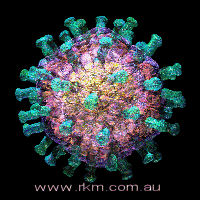
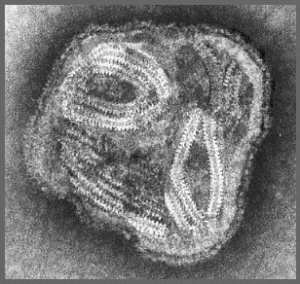
Lassa virus: image copyright Russell Kightley Media

Lassa fever is a nasty acute viral haemorrhagic fever (HF), caused by Lassa virus.  This is a member of the genus Arenavirus, family Arenaviridae, comprising a collection of 2-component ss(-)RNA enveloped viruses which also includes Lymphocytic choriomeningitis virus – a favourite model organism – and a host of South American HF viruses.  It is also a BSL-4 pathogen, or “hot virus” – one that needs to be worked with in a spacesuit environment, meaning it is pretty difficult to study in the lab.

Arenaviruses are interesting for molecular virologists because of they are one of several ssRNA(-)RNA viruses with “ambisense” genomes, meaning their genomic RNAs have stretches which can be directly read into protein by ribosomes, instead of having to be transcribed first.

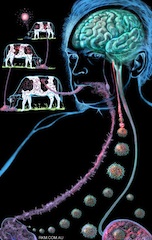
The virus and the fever are endemic in the West African countries of Nigeria – from where it was first described in 1969 – Sierra Leone, Liberia, Guinea and the Central African Republic, but almost certainly occur more widely.  There are an estimated 300 000 cases a year, with 5 000 deaths attributed to the virus annually – again, probably an underestimate, as in epidemics mortality can go up to 50%.  The virus is vectored by what is probably the most common type of rodent in equatorial Africa, multimammate rats in the genus Mastomys, mainly via aerosolised faces and urine, which contain high concentrations of virions.  The rat can maintain infection as a persistent asymptomatic state.  It is also possible to spread the disease from person to person, via body fluids.

The CDC has this to say about Lassa fever:

In areas of Africa where the disease is endemic (that is, constantly present), Lassa fever is a significant cause of morbidity and mortality. While Lassa fever is mild or has no observable symptoms in about 80% of people infected with the virus, the remaining 20% have a severe multisystem disease. Lassa fever is also associated with occasional epidemics, during which the case-fatality rate can reach 50%.

While this may seem to be of mild interest only to the international community – after all, it is a seasonal disease limited to one part of Africa, and only 5 000 people die annually, compared to 400 000+ for influenza – it is and remains a nasty disease, with significant side effects, which include temporary or permanent deafness in those who recover – various degrees of deafness occur in up to one-third of cases – and spontaneous abortion of about 95% of third trimester foetuses in infected mothers, and a death rate of >80% in the women.  Moreover, while the term “limited to West Africa” may make it sound of local interest only, it is worth noting that that part of Africa is bigger than the whole of Western Europe – in fact, it’s the size of the whole of the USA – and is home to close to 200 million people.  Moreover, there is serious concern that the incidence of Lassa fever may be increasing, and that it is emerging from its endemic regions into newer pastures with changing regional weather patterns.  However, while fears of rampant spread via air travel do exist, like “Ebola Preston“, these are largely scare stories – which are admirably efficiently debunked here.

A tragic fact about Lassa fever is that it is treatable with drugs, if caught early: JB McCormick and others showed in 1986 that intravenous ribavirin given within 6 days of the onset of fever reduced mortality of patients with a serum aspartate aminotransferase level greater than or equal to 150 IU per litre at the time of hospital admission, from 55% to 5% – whereas patients whose treatment began seven or more days after the onset of fever had a case-fatality rate of 26 percent.  Moreover, oral ribavirin was also effective in patients at high risk of death.

So WHY isn’t ribavirin distributed widely and freely in West Africa for use in clinics??  Why, indeed…that doyen of the US biowarfare / hot virus community, CJ Peters, had this to say in an online book:

Both antiviral vaccines and drugs suffer from major development problems. They would require an expensive developmental effort that has never been able to attract industrial support based on disease activity in endemic areas, even when the U.S. Department of Defense has expressed an interest and provided an additional market.

In other words, no-one would manufacture it for a market that couldn’t pay for it in a sustainable way – another of the unacceptable faces of modern capitalism.

There is hope, however – people are working on vaccines, and there have been significant successes in primate models: in 2005, Geisbert et al. described a

“…replication-competent vaccine against Lassa virus based on attenuated recombinant vesicular stomatitis virus vectors expressing the Lassa viral glycoprotein. A single intramuscular vaccination of the Lassa vaccine elicited a protective immune response in nonhuman primates against a lethal Lassa virus challenge. Vaccine shedding was not detected in the monkeys, and none of the animals developed fever or other symptoms of illness associated with vaccination. The Lassa vaccine induced strong humoral and cellular immune responses in the four vaccinated and challenged monkeys. Despite a transient Lassa viremia in vaccinated animals 7 d after challenge, the vaccinated animals showed no evidence of clinical disease.”

Very promising, at first glance.  This is, however, a live virus vaccine – with all of the attendant problems of purification of whole virus, contamination, manufacture, cold chain – and cost….  Given the recent global experience with virus vaccines both live and dead – and recent rotavirus and papillomavirus vaccines would be excellent recent examples, with unit costs at over US$40 per shot  – this vaccine will not debut, if it does so at all, at a cost that is even remotely affordable in the target market in West Africa.

Unless the target market is in fact the US military – which, given the fact that the lead author’s address is given as “Virology Division, United States Army Medical Research Institute of Infectious Diseases, Fort Detrick”, can be considered quite likely.

Another more recent, and – to my biased mind at least – more promising candidate vaccine, is one described by Luis M Branco et al. in a brand-new Virology Journal article.  This one is also associated with the US military –  with 3 of 11 authors with addresses “@usarmy.mil” – but describes a virus-like particle vaccine candidate rather than a recombinant live virus.

Lassa virus-like particles displaying all major immunological determinants as a vaccine candidate for Lassa hemorrhagic fever

Virology Journal 2010, 7:279 doi:10.1186/1743-422X-7-279

Published: 20 October 2010

Luis M Branco, Jessica N Grove, Frederick J Geske, Matt L Boisen, Ivana J Muncy, Susan A Magliato, Lee A Henderson, Randal J Schoepp, Kathleen A Cashman, Lisa E Hensley and Robert F Garry

Background

Lassa hemorrhagic fever (LHF) is a neglected tropical disease with significant impact on the health care system, society, and economy of Western and Central African nations where it is endemic. Treatment of acute Lassa fever infection with intravenous Ribavirin, a nucleotide analogue drug, is possible and greatly efficacious if administered early in infection. However, this therapeutic platform has not been approved for use in LHF cases by regulatory agencies, and the efficacy of oral administration has not been demonstrated. Therefore, the development of a robust vaccine platform generated in sufficient quantities and at a low cost per dose could herald a subcontinent-wide vaccination program. This would move Lassa endemic areas toward the control and reduction of major outbreaks and endemic infections. To date, several potential new vaccine platforms have been explored, but none have progressed toward clinical trials and commercialization. To this end, we have employed efficient mammalian expression systems to generate a Lassa virus (LASV)-like particle (VLP)-based modular vaccine platform.

Results

A mammalian expression system that generated large quantities of LASV VLP in human cells at small scale settings was developed. These VLP contained the major immunological determinants of the virus: glycoprotein complex, nucleoprotein, and Z matrix protein, with known post-translational modifications. The viral proteins packaged into LASV VLP were characterized, including glycosylation profiles of glycoprotein subunits GP1 and GP2, and structural compartmentalization of each polypeptide. The host cell protein component of LASV VLP was also partially analyzed, namely glycoprotein incorporation, though all host cell components remain largely unknown. All combinations of LASV Z, GPC, and NP proteins that generated VLP did not incorporate host cell ribosomes, a known component of native arenaviral particles, despite detection of small RNA species packaged into pseudoparticles. Although VLP did not contain the same host cell components as the native virion, electron microscopy analysis demonstrated that LASV VLP appeared structurally similar to native virions, with pleiomorphic distribution in size and shape. LASV VLP that displayed GPC or GPC+NP were immunogenic in mice, and generated a significant IgG response to individual viral proteins over the course of three immunizations, in the absence of adjuvants. Furthermore, sera from convalescent Lassa fever patients recognized VLP in ELISA format, thus affirming the presence of native epitopes displayed by the recombinant pseudoparticles.

Conclusions

These results established that modular LASV VLP can be generated displaying high levels of immunogenic viral proteins, and that small laboratory scale mammalian expression systems are capable of producing multi-milligram quantities of pseudoparticles. These VLP are structurally and morphologically similar to native LASV virions, but lack replicative functions, and thus can be safely generated in low biosafety level settings. LASV VLP were immunogenic in mice in the absence of adjuvants, with mature IgG responses developing within a few weeks after the first immunization. These studies highlight the relevance of a VLP platform for designing an optimal vaccine candidate against Lassa hemorrhagic fever, and warrant further investigation in lethal challenge animal models to establish their protective potential.

So what they have done is to make non-infectious particles which strongly resemble native virions of Lassa virus, at high yield in a mammalian cell expression system, under low containment conditions – meaning it is safe for workers. The VLPs are highly and appropriately immunogenic, and appear to have significant potential as a Lassa virus vaccine.  This is very similar to previously reported work on Rift Valley fever VLPs made in insect cells, and HPAI and pandemic influenza HA-containing VLPs made in plants, in that VLPs are produced at good yield in an established expression system.

Except that they’re using mammalian cells, with all of the cost implications inherent in that.  And they’re using transfection of plasmids – not the world’s cheapest method of producing proteins.  And they didn’t show efficacy….

Ah, well, there’s still hope – and they could still go green…B-)
Sendai don’t do it like they said

13 October, 2010

It is a sad fact of virological life that quite a lot of what we see, in the experiments we do, is artefactual: that is, the way we do experiments leads us to see results that do not necessarily reflect reality, but rather, the scenario we inadvertently selected for.

And it is electron microscopy that is at once our friend and our foe in this regard: over the last thirty years I have revised several aspects of my teaching on how virus particles interact with cells in particular, as what was once considered common knowledge has subsequently been proved to be false.  This is usually a consequence of having to use large numbers of virus particles – or high multiplicities of infection – and cultured cells, which may lead to rare events being selected for simply because they may be easier to detect.  An important example of this was the revelation that poliovirus (and presumably other picornaviruses) almost certainly enters cells via receptor-mediated endocytosis, rather than via some mysterious direct passage mechanism as is often depicted in textbooks (or here).


Paramyxovirus: image by Linda M Stannard


One of the long-time models for entry of enveloped viruses into animals has been Sendai paramyxovirus: this ss(-)RNA virus was supposed to fuse its membrane with that of the host cell, and uncoat via diffusion of its envelope glycoproteins into the host membrane, and deposit of virion internal components into the host cell cytoplasm.

Except, it turns out, that this is probably wrong: in a Journal of Virology Minireview published in July of 2010, Anne Haywood of the University of Rochester (NY, USA) describes how Sendai virions uncoat via a “connecting structure” that largely preserves the virion envelope.

Membrane Uncoating of Intact Enveloped Viruses
Anne M. Haywood
JOURNAL OF VIROLOGY, Vol. 84, No. 21, Nov. 2010, p. 10946–10955
Experiments in the 1960s showed that Sendai virus, a paramyxovirus, fused its membrane with the host plasma membrane. After membrane fusion, the virus spontaneously “uncoated” with diffusion of the viral membrane proteins into the host plasma membrane and a merging of the host and viral membranes. This led to deposit of the viral ribonucleoprotein (RNP) and interior proteins in the cell cytoplasm. Later work showed that the common procedure then used to grow Sendai virus produced damaged, pleomorphic virions. Virions, which were grown under conditions that were not damaging, made a connecting structure between virus and cell at the region where the fusion occurred. The virus did not release its membrane proteins into the host membrane. The viral RNP was seen in the connecting structure in some cases. Uncoating of intact Sendai virus proceeds differently from uncoating described by the current standard model developed long ago with damaged virus. A model of intact paramyxovirus uncoating is presented and compared to what is known about the uncoating of other viruses.

Interesting: a whole model for entry of viruses into cells was predicated upon the interactions of a  laboratory-derived virus strain which produced damaged particles.

Haywood presents a new model for virus entry, based upon the observation that “early harvest” virions differ substantially form the “late harvest virions” previously used, in that “…the RNP is regularly folded parallel to the long axis of the virions…”, while  late-harvest particles “…have RNP strands that are randomly distributed in the virus rather than regularly arranged in relation to the membrane”.

She goes on to review a qualitatively very different alphavirus – Sindbis virus, an enveloped ss(+)RNA virus – for which similar things had been claimed, and shows that virus particles that have been gently treated also make a connector.  Moreover, she says that:

“…there is a structure that has no electron-dense material and is released from the cell. It is identified as viral by antibodies conjugated with gold beads. This release of an empty viral membrane has not been noted before, but the use of labeled antibodies meant such a structure would be revealed. If the envelope membrane disengages from the cell instead of merging with the host membrane, then not only would the cell not have viral proteins on its surface until the virus replicates but the released membrane pieces could serve as immunologic decoys.” [my emphasis]

Interestinger and interestinger…so enveloped viruses may have an entry mechanism which serves to hide them more effectively than we knew – by keeping their membranes intact, and possibly even using them as releasable decoys?

I note that in the case of HIV – possibly the best-studied single organism on the planet just recently – it has also recently been shown that virions probably enter cells via endosomal vesicles.

I hear the grinding sound of a shifting paradigm, folks: time for a relook at some other cherished models, possibly??

Something rabid this way comes

5 October, 2010

Rabies virus: also known more officially as

The relevant ICTVdB (Intl Comm on Taxonomy of Viruses Database) page describes the viruses as follows:

Rabies virus virion

Morphology

Virions consist of an envelope and a nucleocapsid. Virus capsid is enveloped. Virions are bullet-shaped. Virions measure 45-100 nm in diameter; 100-430 nm in length. Surface projections are densely dispersed, distinctive spikes that cover the whole surface except for the quasi-planar end. Capsid/nucleocapsid is elongated with helical symmetry.

Nucleic Acid

The Mr of the genome constitutes 1-2% of the virion by weight. The genome is not segmented and contains a single molecule of linear, negative-sense, single-stranded RNA. The complete genome is 11900 nucleotides long, is fully sequenced.

A description of the replication of these viruses is given here.

There has been a fair bit of media fuss here in South Africa recently – and in Gauteng in particular – about a rabies outbreak, and the need to get pets and possibly dependants vaccinated against the virus.

The urgency of this campaign was underlined by the recently reported death of a child, scratched by a rabid puppy.

The literature available locally to inform prevention is a bit dated – 1997 – but it is comprehensive and well-researched.  This is a PDF document available here; more recent material can be found at the CDC site.

Important points to note about rabies are the following:

  • If untreated, it is effectively 100% fatal in both susceptible animals and in humans
  • There are effective vaccines for the prevention of infection – veterinarians and staff working with animals are routinely vaccinated – and
  • There is an effective therapy for people already bitten, which involves the injection of anti-rabies antibodies

News currently coming out of Gauteng Province reported in Business Day indicates that this outbreak is the first in that province in many years, and that over R30 million (~US$4 million) will be required to stamp it out – with the requirement that >70% of Gauteng’s estimated 1,4-million cats and dogs be vaccinated, otherwise the disease could become endemic.

While the disease has been known for centuries, and vaccines and therapy date back to the time of Louis Pasteur, it is alarming to realise that, in the words of the CDC Rabies Homepage,

“…Rabies in humans is 100% preventable through prompt appropriate medical care. Yet, more than 55,000 people, mostly in Africa and Asia, die from rabies every year – a rate of one person every ten minutes.”

A horrific disease to die of, and relatively easily preventable.  We just need more and cheaper vaccines and therapy.  Roll on the plants…!

Oh, and simple common sense, and widespread compliance….

On the utility of Pink Floyd’s “The Grand Vizier’s Garden Party” as a metaphor for virus multiplication

16 September, 2010


…which pretty much explains the concept…what’s that?  Why?  Well, because the above-mentioned song – off the very strange and very wonderful album Ummagumma, released in 1969 – incorporates three subsections.

From the tracklisting:

“The Grand Vizier’s Garden Party” (N Mason) – 8:44

  • Part 1: “Entrance” – 1:00
  • Part 2: “Entertainment” – 7:06
  • Part 3: “Exit” – 0:38

All clear now?  No?  Ah, well, you need to consult the relevant parts of the Web material, don’t you?  Which would be here, and here…and of course, we never got around to exit as such, so you may as well look here instead.

Which just goes to show that, however hard one tries, it is close to impossible to update a whole set of Web pages AND keep all the links current!  Ah, well – that’s an aspect of electronic teaching with its own comment, right here.

But I digress: “metaphor”, I said.  Something like a “simile”, only different, as I’ve heard it described.  And another digression, to cartoon country this time – which shows how we virologists normally treat metaphors and their filthy ilk.

And is it a good metaphor, you ask?  Well, yes – for one reason, because

  • first, students still know who Pink Floyd is/are, so they remember it better;
  • second, because it is a very simple encapsulation of the process;
  • third, because it neatly separates three crucial aspects of the virus life cycle –
  • and fourth, it gives you the opportunity to describe three very different kinds of strategy for messing with said life cycle.

And thinking of 4, and just of HIV for example, those would be:

  • entry inhibitors, like antibodies or fusion inhibitors
  • nucleoside analogue or non-nucleoside reverse transcriptase inhibitors, and
  • protease inhibitors to prevent polyprotein processing.

And I’ve been doing it for 25 years, and see no reason why I should stop using it now.  Or stop playing “Another Brick in the Wall” when I put up long definitions.   Or stop mentioning that Pink Floyd have the second-longest song title of which I am aware.  Or that Hoagy Carmichael* has the longest….

Enough said, probably.  Just to say that it helps make virology fun.  At least for me  B-)

* = I’m a Cranky Old Yank in a Clanky Old Tank on the Streets of Yokohama with my Honolulu Mama Doin’ Those Beat-o, Beat-o Flat-On-My-Seat-o, Hirohito Blues

Just when you thought it was safe….

12 September, 2010

…to have a hamburger. ProMED, those wonderful people who brought you Ebola case by case, describe a new way to rot your brain. Read on.

New sporadic prion disease
Date: Fri 13 Aug 2010
Source: Science Daily [edited]


BSE Transmission

New sporadic prion protein disease:
variably protease-sensitive prionopathy shares genotype characteristics with Creutzfeldt-Jakob

A new sporadic prion protein disease has been discovered. Variably protease-sensitive prionopathy (VPSPr), as it has been named, is the 2nd type of complete sporadic disease to be identified since Creutzfeldt-Jakob disease (CJD) was reported in the 1920s. The landmark finding from the National Prion Disease Pathology Surveillance Center at Case Western Reserve University is published in the August [2010] issue of Annals of Neurology [see abstract below].

Normally, the human prion protein gene comes in 3 types due to its
capability to encode prion proteins that contain only the amino acid
methionine, commonly identified as M, both methionine and valine, commonly identified as V, or only for the amino acid valine at position 129. Therefore, when it comes to the prion protein gene unaffected people can be identified as 129MM, 129MV or 129VV. Sporadic CJD (sCJD), which is the most common human prion disease, can affect patients who have any one of the 3 types of the prion protein gene.

In 2008, Pierluigi Gambetti and Wen-Quan Zou, with collaborators, reported the discovery of this novel disease, which affected patients who exhibit only one of the 3 types of the prion protein gene. In this follow-up study, they discovered that all 3 genetic groups can be affected also by this novel disease which now joins sCJD in displaying this feature. However, VPSPr is associated with an abnormal prion protein that exhibits characteristics very different from those of sCJD, as well as other prion diseases, suggesting that it may be caused by a different mechanism, perhaps more akin to other neurodegenerative diseases, such as Alzheimer’s disease. This finding may exemplify, for the 1st time, the possibility that the prion protein affects the brain with different mechanisms.

While examining cases received at the National Prion Disease Pathology Surveillance Center where he is the director, Dr Gambetti observed that a subset of cases had clinical and pathological features quite different from those of all known types of human prion diseases. Further, after being tested for prion proteins via the Western blot [technique] — the gold standard of prion disease diagnosis — the cases were negative. Dr Gambetti then collaborated with Dr Zou, associate director at the center, to solve the riddle of a disease that exhibited some features of a prion disease in histopathological examination but was negative using the standard Western blot test.

Dr Zou’s lab performed a full characterization of the disease and discovered that the VPSPr-associated abnormal prion protein formed a ladder-like electrophoretic profile on Western blotting. “When I obtained the 1st Western blot result of these cases with a different antibody against prions, I was surprised that these cases consistently exhibited this particular profile; one that I had never seen in my more than 10 years of work on human prion diseases,” Dr Zou, assistant professor of pathology at Case Western Reserve School of Medicine, recalls. This ladder-like profile is quite distinctive and very different from the profile of common prion diseases. “Discovery of this unique type of prion provides solid evidence that this novel disease may possess a pathogenesis that is different from that of the major prion diseases currently known,” Dr Zou adds.

Despite extensive research, a relatively large group of neurodegenerative diseases associated with dementia remain undefined. Before being discovered and characterized, VPSPr was one of the undefined dementing diseases. The discovery of VPSPr is chipping away at that group. In the 2 years since its discovery, more than 30 cases have been reported.

“If, as the current evidence indicates, the VPSPr mechanism of affecting the brain is different from that of other sporadic prion diseases, such as sCJD, the discovery of VPSPr would also provide the 1st example that the prion protein may spontaneously damage the brain with different mechanisms,” concludes Dr Gambetti, professor of pathology at Case Western Reserve School of Medicine. “This might apply to other dementing illnesses as well, and has implications for the strategies that need to be followed to attain a cure.”

Drs Gambetti and Zou, along with their extensive research team, plan to further characterize the abnormal prion protein associated with VPSPr as well as other important features of the protein, such as the disease’s propensity for transmission upon inoculation and its replication in test tubes. These features in VPSPr will be compared with those of sCJD to obtain a complete picture of how the abnormal prion protein attacks the brain in these 2 diseases.

– — communicated by: ProMED-mail rapporteur Mary Marshall

[The following is the reference for the paper discussed above followed by the authors’ abstract: Zou WQ, Puoti G, Xiao X, Yuan J, Qing L, Cali I, et al. Variably protease-sensitive prionopathy: A new sporadic disease of the prion protein. Ann Neurol. 2010 Aug;68(2):162-72. ().

Department of Pathology, National Prion Disease Pathology Surveillance Center, Case Western Reserve University, Cleveland, Ohio.

Abstract

Objective: The objective of the study is to report 2 new genotypic forms of protease-sensitive prionopathy (PSPr), a novel prion disease described in 2008, in 11 subjects all homozygous for valine at codon 129 of the prion protein (PrP) gene (129VV). The 2 new PSPr forms affect individuals who are either homozygous for methionine (129MM) or heterozygous for methionine/valine (129MV). Methods: A total of 15 affected subjects with 129MM, 129MV, and 129VV underwent comparative evaluation at the National Prion Disease Pathology Surveillance Center for clinical, histopathologic, immunohistochemical, genotypical, and PrP characteristics. Results: Disease duration (between 22 and 45 months) was significantly different in the 129VV and 129MV subjects. Most other phenotypic features along with the PrP electrophoretic profile were similar but distinguishable in the 3 129 genotypes. A major difference laid in the sensitivity to protease digestion of the disease-associated PrP, which was high in 129VV but much lower, or altogether lacking, in 129MV and 129MM. This difference prompted the substitution of the original designation with “variably protease- sensitive prionopathy” (VPSPr). None of the subjects had mutations in the PrP gene coding region. Interpretation: Because all 3 129 genotypes are involved, and are associated with distinguishable phenotypes, VPSPr becomes the 2nd sporadic prion protein disease with this feature after Creutzfeldt-Jakob disease, originally reported in 1920. However, the characteristics of the abnormal prion protein suggest that VPSPr is different from typical prion diseases, and perhaps more akin to subtypes of Gerstmann-Straussler-Scheinker disease.

VPSPr is not linked to eating infected meat. However, like CJD, the new condition happens sporadically. It was 1st identified because of the fast-advancing form of dementia seen in those affected. They were also unable to speak or move. But tests for CJD proved negative. Further molecular examination as described above has shown VPSPr was a prion disease, but one which looked very different to those already known. – Mod.CP]

Enough said.  Just more to worry about…B-)

Sing the flues….

3 September, 2010

Seeing as it’s officially over – well, the odd people still dying might dispute this, but the WHO Has Spoken – I thought I would share this with you, seeing as I agree 100% with the sentiments (I wanted it called Mexico Flu).  Arvind Varsani, my one-time PhD student now in The Land of the Long Black White Cloud, sent me this link today – thanks Arv!  You win a free ViroBlogy article!  I expect it within a month.

And so it’s over – is it??

26 August, 2010

The WHO recently declared the H1N1 “swine flu” pandemic to be over – on August 10th, 2010.   From the AFP article:

“The world is no longer in phase six of the pandemic alert. We are now moving into the post-pandemic period,” WHO Director General Margaret Chan said

….

Swine flu has killed more than 18,449 people and affected some 214 countries and territories since it was uncovered in Mexico and the United States in April 2009, according to WHO data.

The new virus spread swiftly worldwide despite drastic measures including a week long shutdown in Mexico, prompting the UN health agency to scale up its alerts and declare a pandemic on June 11, 2009, banishing kisses and frowning on handshakes.

Fears about the impact of swine flu on unprotected populations and a harmful mutation sparked a rush for hundreds of millions of dollars worth of specially-developed vaccines and a flurry of public health precautions.

However, those concerns dwindled in late 2009 to be replaced by recriminations in Western nations about the cost of unused vaccines and what some European critics regarded as an unjustified scare.

Amazing, that: the world authorities get it right, help mitigate what could have been a nasty pandemic – then get it in the neck for being alarmist, and helping drug companies make a profit.

Further from the article:

After petering out in Europe and the United States before their winter flu season was over, in recent months swine flu has affected parts of South Asia and “limited areas” of tropical South and Central America, as well as Africa for their second season.

But unlike 2009, when A(H1N1) ousted most other types of flu viruses around the world, known seasonal viruses now are prevalent and even dominant in countries such as South Africa.

Yeeessssss…and that’s all very well, because do you know what happened in South Africa?  They’ve only just released H1N1 vaccine stockpiled for health workers for the duration of the Soccer World Cup, is what – late in the flu season, and almost too late to do any good.  Meaning exactly what was predicted at the beginning of the pandemic, came to pass: there was not enough vaccine for developing countries, and even a year after its emergence, it was still not being distributed evenly.

Not a very good practice run for the Big One, if you ask me: still not enough vaccine being made quickly enough; vaccine not being distributed to at-risk countries; too much fussing over the welcome news that it was not as bad as it could have been.

I’m going to put my faith in plants….

Vaginal gel works against HIV

20 July, 2010

In a major press release at the International Aids Conference in Vienna today, published simultaneously in Science, South African researchers claimed a significant advance in prevention of HIV infection using a microbicide.

From the Commentary in Science Express by Jon Cohen:

HIV and its life cycle

For the first time ever, a vaginal gel has unequivocally blocked the transmission of HIV.
In a trial that involved nearly 900 South African women, those who received a vaginal gel that contains an anti-HIV drug had a 39% lower chance of becoming infected by the virus than those who received a placebo. …
More than 30 randomized controlled studies of microbicides, vaccines, and drugs to date have failed to thwart sexual transmission of HIV or have yielded such marginal success that researchers wound up hotly debating the data for years after the trials were complete. But there’s no ambiguity about the data from this new microbicide study reported today online in Science and in a presentation at the 18th International AIDS Conference in Vienna: Of the 444 women who received a placebo gel, 60 became infected with HIV versus 38 infections in the 445 women who received the microbicide. The result was statistically significant, and no serious side effects occurred.  “It’s a moment we’ve been waiting for 2 decades,” says epidemiologist Quarraisha Abdool Karim, who, with her husband, Salim Abdool Karim, headed the study, known as CAPRISA 004.

Published online 19 July 2009; 10.1126/science.329.5990.374

This truly is good news – both for the HIV/AIDS research and treatment community, who have needed a shot in the arm recently, and for women in developing countries who often have little choice in how or when they have sex.

From the paper in Science:

Effectiveness and Safety of Tenofovir Gel, an Antiretroviral Microbicide, for the Prevention of HIV Infection in Women

Quarraisha Abdool Karim et al., Published Online July 19, 2010
Science DOI: 10.1126/science.1193748

The CAPRISA 004 trial assessed effectiveness and safety of a 1% vaginal gel formulation of tenofovir, a nucleotide reverse transcriptase inhibitor, for the prevention of HIV acquisition in women. A double-blind, randomized controlled trial was conducted comparing tenofovir gel (n = 445) with placebo gel (n = 444) in sexually active, HIV-uninfected 18- to 40-year-old women in urban and rural KwaZulu-Natal, South Africa. HIV serostatus, safety, sexual behavior, and gel and condom use were assessed at monthly follow-up visits for 30 months. HIV incidence in the tenofovir gel arm was 5.6 per 100 women-years, i.e., person time of study observation (38/680.6 women-years), compared to 9.1 per 100 women-years (60/660.7 women-years) in the placebo gel arm (incidence rate ratio = 0.61; P = 0.017). In high adherers (gel adherence >80%), HIV incidence was 54% lower (P = 0.025) in the tenofovir gel arm. In intermediate adherers (gel adherence 50 to 80%) and low adherers (gel adherence <50%), the HIV incidence reduction was 38% and 28%, respectively. Tenofovir gel reduced HIV acquisition by an estimated 39% overall and by 54% in women with high gel adherence. No increase in the overall adverse event rates was observed. There were no changes in viral load and no tenofovir resistance in HIV seroconverters. Tenofovir gel could potentially fill an important HIV prevention gap, especially for women unable to successfully negotiate mutual monogamy or condom use.

Note my bolding above: while the results were encouraging overall, they were especially good where adherence to the protocol was high.  Moreover, it appears as though tenofovir administered externally does not get into the blood in sufficient amounts to cause infecting virus to develop resistance to any noticeable degree.  As an added bonus, the treatment appeared to reduce the incidence of herpevirus as well.

To paraphrase someone far more famous, this is only the end of the beginning of the fight against HIV and AIDS: this is not the answer; it is merely an indication that this is a strategy that may work – in the absence of a vaccine – to protect people from infection.

But so nice that it came from South Africa….

Dear New Scientist

6 June, 2010

In the full expectation that my letter will not see the light of day – nothing I have ever written to NS over some 15 years ever has – I will put this here, where more some people may see it.

Dear Editor:

I recall being a little miffed when I read the original article on
biodiversity in NS (24 April) – because there was no mention at
all of the greatest part of the biodiversity on this (and probably any
other) planet, which is viruses.  There are more viruses on Earth than
any other kinds of organisms, and virus genomes provide the greatest
source of gene diversity – yet they don’t rate a mention.

And then, in your Letters page of the 22 May issue, people take up
cudgels on behalf of fungi, of all things!

Cellism, that’s all it is….

Doctor, there’s a…pig virus in my vaccine??

6 June, 2010

rotavirus particle

I have for some time taught my third year students about how one must weigh relative risk vs. relative benefit when it comes to vaccination – with the Wyeth live rotavirus vaccine that was withdrawn in 2000 or so due to isolated incidents of intussusception (=telescoping of the bowel) as an object example.

Consider: the vaccine MAY have caused a couple of incidents (which granted, were serious) – but on the whole was protective, and well tolerated.  The publication referred to has this as the relative risk:

“…epidemiologic evidence supports a causal relationship, with a population attributable risk of ~1 per 10 000 (range of 1 in 5000 to 1 in 12 000) vaccine recipients.”

While this may be an unacceptable risk in a North American community – which is where it was tested, where children mostly just get sick from rotavirus infection – what about in a developing country, where the risk of an infant dying from rotavirus diarrhoea is far higher than 1 / 10 000?  Indeed, the same article says:

“Because perceptions of vaccine safety derive from the relative disease burdens of the illness prevented and adverse events induced, the acceptance of rare adverse events may vary substantially in different settings. [ my emphasis]”

Yes – like the vaccine may well have done a great deal of good, and very little harm, in a developing country setting where rehydration therapy is not the norm.  But it was pulled, and the world had to wait for Merck’s Rotateq pentavalent live vaccine and GSK’s Rotarix tetravalent live vaccine, YEARS later, and probably a lot of children died that may not have needed to.

I note that the Merck product has this as a warning, too:

“In post-marketing experience, intussusception (including death) and Kawasaki disease have been reported in infants who have received RotaTeq”.

So the vaccine has the same risk profile as Wyeth’s – yet it has been widely distributed, and is apparently highly effective – as is Rotarix.  In fact, in 2009 the WHO issued a recommendation “…that health authorities in all nations routinely vaccinate young children against rotavirus…”.

And then…news that must have made many a heart sink, in March 2010:

Pig virus contamination halts GSK Rotarix use

“GlaxoSmithKline’s oral rotavirus vaccine Rotarix has been temporarily shelved in the U.S. due to a pig-virus contamination. Researchers stumbled on DNA from porcine circovirus type 1–believed nonthreatening to humans–while using new molecular detection techniques. More work is being done to determine whether the whole virus or just DNA pieces are present.

Additional testing has confirmed presence of the matter in the cell bank and seed from which the vaccine is derived, in addition to the vaccine itself. So the vaccine has been contaminated since its early stages of development.”

The finding of the porcine circovirus type 1 (PCV-1) DNA in the vaccine was due to what seems to have been publication of an academic investigation in February 2010 of “Viral Nucleic Acids in Live-Attenuated Vaccines” by Eri L Delwart and team, mainly from Blood Systems Research Institute and University of California, San Francisco.  They used deep sequencing and microbial array technology to:

“…examine eight live-attenuated viral vaccines. Viral nucleic acids in trivalent oral poliovirus (OPV), rubella, measles, yellow fever, varicella-zoster, multivalent measles/mumps/rubella, and two rotavirus live vaccines were partially purified, randomly amplified, and pyrosequenced. Over half a million sequence reads were generated covering from 20 to 99% of the attenuated viral genomes at depths reaching up to 8,000 reads per nucleotides.”

And they found:

“Mutations and minority variants, relative to vaccine strains, not known to affect attenuation were detected in OPV, mumps virus, and varicella-zoster virus. The anticipated detection of endogenous retroviral sequences from the producer avian and primate cells was confirmed. Avian leukosis virus (ALV), previously shown to be noninfectious for humans, was present as RNA in viral particles [!!], while simian retrovirus (SRV) was present as genetically defective DNA.”

Whooooo…possibly live animal retroviruses in human vaccines??  But most importantly for our purposes:

Rotarix, an orally administered rotavirus vaccine, contained porcine circovirus-1 (PCV1), a highly prevalent nonpathogenic pig virus, which has not been shown to be infectious in humans. Hybridization of vaccine nucleic acids to a panmicrobial microarray confirmed the presence of endogenous retroviral and PCV1 nucleic acids.”

I don’t know about you, but I’d be more worried about the retroviruses!  The authors concluded [my emphases in bold and red]:

“Given that live-attenuated viral vaccines are safe, effective, and relatively inexpensive, their use against human and animal pathogens should be encouraged. The application of high-throughput sequencing and microarrays provides effective means to interrogate current and future vaccines for genetic variants of the attenuated viruses and the presence of adventitious viruses. The wide range of sequences detectable by these methods (endogenous retroviruses, bacterial and other nucleic acids whose taxonomic origin cannot be determined, and adventitious viruses, such as PCV1) is an expected outcome of closer scrutiny to the nucleic acids present in vaccines and not necessarily a reflection of unsafe products. In view of the demonstrated benefit and safety of Rotarix, the >implications (if any) for current immunization policies of the detection of PCV1 DNA of unknown infectivity for humans need to be carefully considered.”

So they find all these bits of adventitious nucleic acids in a live human vaccine, then tell us it’s all right?  They go to say, however:

“As an added note, recent testing by GSK indicates that PCV1 was also present in the working cell bank and viral seed used for the generation of Rotarix used in the extensive clinical trials that demonstrated the safety and efficacy of this vaccine. These trials indicate a lack of detectable pathogenic effects from PCV1 DNA on vaccinees.”

So: a clinical trial in retrospect, then??  Interesting idea, that – it’s OK because they inadvertently tested it already and no obvious harm came of it!  Mind you, the same thing happened with SV40 in poliovirus vaccines over a lot longer period and on a much larger scale – and while the jury is still out on long-term effects, it appears as though there were none.

The first outcome of the finding, though, was that the FDA recommended in March that use of Rotarix be suspended, pending further investigations.

The same GSK press release reminds us that:

“Rotavirus is the leading cause of severe gastroenteritis among children below five years of age and it is estimated that more than half a million children die of rotavirus gastroenteritis each year – a child a minute [my bold – Ed]. It is predicted that rotavirus vaccination could prevent more than 2 million rotavirus deaths over the next decade. The continued availability of rotavirus vaccines around the world remains critical from a public health perspective to protect children from rotavirus disease. “

Cementing the risk/benefit argument very firmly and pre-emptively, then!

The next development was that Merck’s Rotateq, initially thought to be free of PCVs, was found to contain both PCV-1 AND PCV-2 DNA.  From their press release:

“In March 2010, an independent research team and the FDA tested for PCV DNA in rotavirus vaccines; at that time, PCV DNA was not detected in ROTATEQ by the assays that were used initially. Subsequently, Merck initiated PCV testing of ROTATEQ using highly sensitive assays. Merck’s testing detected low levels of DNA from PCV1 and PCV2 in ROTATEQ. Merck immediately shared these results with the FDA and other regulatory agencies.”

Alarming at first sight – but a variety of someones had done their relative risk calculations, and by mid-May, both vaccines had been cleared by the FDA – much to Merck and GSK stockholder relief, one imagines.

“The agency’s decision follows a May 7 recommendation from an FDA advisory panel, which said the PCV contamination didn’t appear to be harmful to humans and the vaccines’ benefits outweighed any “theoretical” risk the products might pose.

In announcing its decision, FDA said that both vaccines have strong safety records, including clinical trials of the vaccines in tens of thousands of patients, plus clinical experience with their administration in millions more. PCV isn’t known to cause illness in humans, whereas the rotavirus these vaccines ward off can cause severe illness and even death.”

All in all, what appears to be a sensible, logical decision, based on evidence – whether collected in retrospect or not – and common sense.  After all, as GSK points out in a press release,

“[PCV] is found in everyday meat products and is frequently eaten with no resulting disease or illness.”

Like plant viruses in vegetables, retroviruses in undercooked chicken and other meat, and a myriad other viruses and bacteria that live in, on, and with us – you really can’t keep away from everything.

But there’s still a good case to be made for killed vaccines….