Archive for the ‘General Virology’ Category

Setting up a platform for plant-based influenza virus vaccine production in South Africa

5 May, 2012

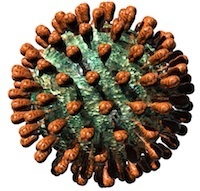
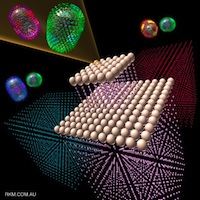
A virus-like particle formed by influenza virus haemagglutinin budding out of plant cells. By Russell Kightley Media

See it also on Scoop.itVirology News

Our (very) recently-published article on plant-made flu vaccines in BMC Biotechnology:

Setting up a platform for plant-based influenza virus vaccine production in South Africa

Elizabeth Mortimer, James M Maclean, Sandiswa Mbewana, Amelia Buys, Anna-Lise Williamson, Inga I Hitzeroth and Edward P Rybicki

Background
During a global influenza pandemic, the vaccine requirements of developing countries can surpass their supply capabilities, if these exist at all, compelling them to rely on developed countries for stocks that may not be available in time. There is thus a need for developing countries in general to produce their own pandemic and possibly seasonal influenza vaccines. Here we describe the development of a plant-based platform for producing influenza vaccines locally, in South Africa. Plant-produced influenza vaccine candidates are quicker to develop and potentially cheaper than egg-produced influenza vaccines, and their production can be rapidly upscaled. In this study, we investigated the feasibility of producing a vaccine to the highly pathogenic avian influenza A subtype H5N1 virus, the most generally virulent influenza virus identified to date. Two variants of the haemagglutinin (HA) surface glycoprotein gene were synthesised for optimum expression in plants: these were the full-length HA gene (H5) and a truncated form lacking the transmembrane domain (H5tr). The genes were cloned into a panel of Agrobacterium tumefaciens binary plant expression vectors in order to test HA accumulation in different cell compartments. The constructs were transiently expressed in tobacco by means of agroinfiltration. Stable transgenic tobacco plants were also generated to provide seed for stable storage of the material as a pre-pandemic strategy.

Results
For both transient and transgenic expression systems the highest accumulation of full-length H5 protein occurred in the apoplastic spaces, while the highest accumulation of H5tr was in the endoplasmic reticulum. The H5 proteins were produced at relatively high concentrations in both systems. Following partial purification, haemagglutination and haemagglutination inhibition tests indicated that the conformation of the plant-produced HA variants was correct and the proteins were functional. The immunisation of chickens and mice with the candidate vaccines elicited HA-specific antibody responses.

Conclusions
We managed, after synthesis of two versions of a single gene, to produce by transient and transgenic expression in plants, two variants of a highly pathogenic avian influenza virus HA protein which could have vaccine potential. This is a proof of principle of the potential of plant-produced influenza vaccines as a feasible pandemic response strategy for South Africa and other developing countries.”

I have mentioned time and again that going green is the sensible thing to do: here is a concrete example of how my research group is trying to go about it.  This is a very sensible technology for rapid-response vaccine production, and especially for emerging or orphan or pandemic virus threats.  We got really good expresion levels of H5N1 HA protein via transient expression in plants, and have already started on pandemic H1N1 HA expression.  Let’s hope some governmental types in SA take some notice!

I thank Russell Kightley Media for the specially-commissioned graphic of budded HA-only VLPs.


An examination of the bacteriophages and bacteria of the Namib desert

30 April, 2012

See on Scoop.itVirology News and here

“Bacteria and their viruses (called bacteriophages, or phages), have been found in virtually every ecological niche on Earth. Arid regions, including their most extreme form called deserts, represent the single largest ecosystem type on the Earth’s terrestrial surface. The Namib desert is believed to be the oldest (80 million years) desert. We report here an initial analysis of bacteriophages isolated from the Namib desert using a combination of electron microscopy and genomic approaches. The virus-like particles observed by electron microscopy revealed 20 seemingly different phage-like morphologies and sizes belonging to the Myoviridae and Siphoviridae families of tailed phages. Pulsed-field gel electrophoresis revealed a majority of phage genomes of 55-65 kb in length, with genomes of approximately 200, 300, and 350 kb also observable. Sample sequencing of cloned phage DNA fragments revealed that approximately 50% appeared to be of bacterial origin. Of the remaining DNA sequences, approximately 50% displayed no significant match to any sequence in the databases. The majority of the 16S rDNA sequences amplified from DNA extracted from the sand displayed considerable (94-98%) homology to members of the Firmicutes, and in particular to members of the genus Bacillus, though members of the Bacteroidetes, Planctomycetes, Chloroflexi, and delta-Proteobacteria groups were also observed.”

This serves as a neat, if slightly dated, little introduction to my latest endeavour – and an account of a field trip this last week into the Namib Desert.

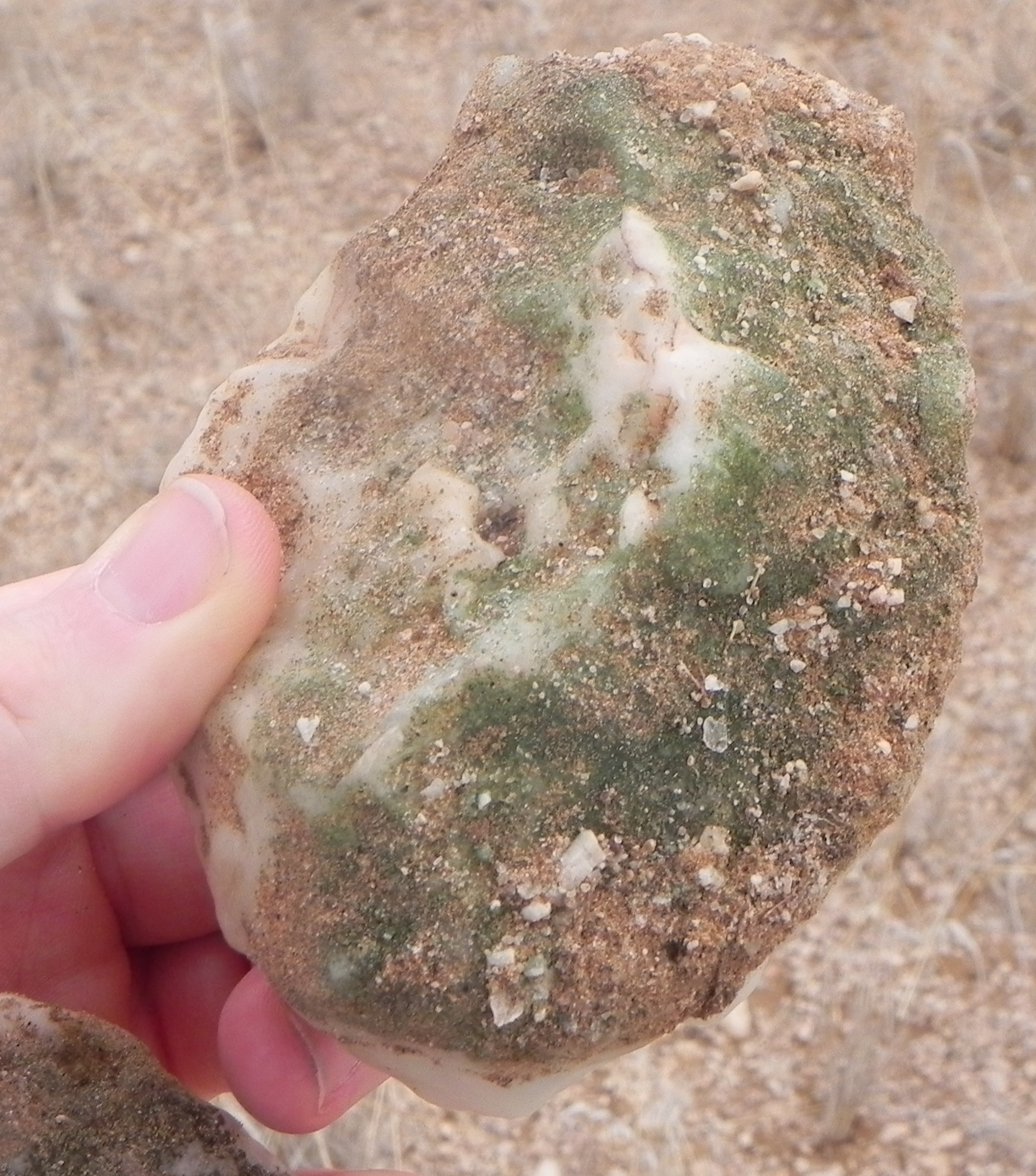
I was fortunate enough some time ago to have been invited by Don Cowan, presently of University of Pretoria, to accompany his team to the Gobabeb Research and Training Centre inland of Walvis Bay, in Namibia’s Namib Desert.  They work on extremophiles, and the Namib is a great environment for mining bugs that can withstand high salt and temperatures and severe desiccation – oh, and photosynthesise underground, hiding under semi-tranlucent quartz rocks embedded in the surface soil.  The thinking was that, given my long-time interest in viral diversity and newly-acquired means to do oceanic viromics, I would be interested and even of some help.

And so it has come to pass: I will have my very own hypolith (=rock-colonising blue-green algae) scrapings and the result of diafiltration and concentration of washings of a good few kilos of red dune sand to play with as far as virus genome sequencing and even EM and analytical centrifugation go.

Typical quartz-associated hypolith

We will have fun in the coming months…that, and we will obviously HAVE to go back to Gobabeb, to further investigate whatever it is we find.  A terrible, harsh place, but SOMEONE has to go there…B-)

Nothing beside remains...boundless and bare
The lone and level sands stretch far away
PB Shelley, Ozymandias

Biology Direct | Abstract | A novel virus genome discovered in an extreme environment suggests recombination between unrelated groups of RNA and DNA viruses

20 April, 2012

See on Scoop.itVirology News

“Viruses are known to be the most abundant organisms on earth, yet little is known about their collective origin and evolutionary history.  With exceptionally high rates of genetic mutation and mosaicism, it is not currently possible to resolve deep evolutionary histories of the known major virus groups. Metagenomics offers a potential means of establishing a more comprehensive view of viral evolution as vast amounts of new sequence data becomes available for comparative analysis.

Bioinformatic analysis of viral metagenomic sequences derived from a hot, acidic lake revealed a circular, putatively single-stranded DNA virus encoding a major capsid protein similar to those found only in single-stranded RNA viruses. The presence and circular configuration of the complete virus genome was confirmed by inverse PCR amplification from native DNA extracted from lake sediment. The virus genome appears to be the result of a RNA-DNA recombination event between two ostensibly unrelated virus groups.”

Not the first time this is postulated to have happened, although the authors have cited the first one: Gibbs and Weiller, 1999.

See on www.biology-direct.com

Engineered H5N1: the wheels grind on, and on, and on….

19 April, 2012

The Scientist has a nice collection of articles on this topic, which I have commented on all over the place, so I though I might consolidate some of it in one place.

In response to the article entitled “Deliberating Over Danger“, I wrote the following:

The point I and others have made before is that H5N1 and other influenza viruses are not waiting for us to let engineered versions loose, before they cause pandemics: all of the mutations noted by the Fouchier and Kawaoka groups are almost certainly present in the several environments where H5N1 viruses are now endemic – and all it takes for all of them to be present together is a little more mixing.

Don’t discount other flu subtypes, either: while everyone is obsessing about H5N1, H3N2 is busy popping out of pigs in the USA; H9N2 in birds in Bangladesh; H5N2 in ostriches in South Africa – and all it would take is one or a couple of fortuitous reassortments, and a whole new flu virus could be unleashed.

While the “deadly” H5N1s are being worked on in lockdown facilities.

If we don’t know what the virus does, we won’t know what it can do. If we don’t know what to look for, we may be taken unawares, when the next 1918-type pandemic strikes.

I want to have universal flu vaccines by then – so we won’t HAVE to worry about a new flu

.

There are also three newer articles covering the controversy: these are

  • H5N1 Researcher to Defy Dutch Gov’t?
  • (with my comment – “Export permit to publish something?  Really?  A complete misapplication of laws to material that should not be subject to them.”)
  • White House Weighs in on H5N1
  • Flu Review Criticized
  • (with my comment – “So after a full and frank hearing did not go his way, after changes had been made to the paper in question (Fouchier’s), Osterholm complains.  Such is life….”

There is the slightly older article – “Bird Flu Papers to Publish” – describing the reversal of the NSABB’s decision to ask for redaction of the two papers describing mammal-to-mammal aerosol-transmissible H5N1.

An interesting article also describes Yoshihiro Kawaoka’s results:

“First, he introduced two mutations—N224K and Q226L—into the haemagglutinin (HA) protein of H5N1 that made the virus capable of sticking to receptors on human tracheal cells. Then he created a chimeric virus by combining the mutated HA protein with genes from the H1N1 virus, which sparked a pandemic in 2009. Kawaoka identified another HA mutation, called N158D, that allowed the virus to spread between ferrets that were not in direct physical contact. A fourth mutation, T318I, also showed up in the H5N1 strain, but its role in making the virus more transmissible among mammals is less clear.”

So there you are: an actual recipe for aerosol-transmissible H5N1.  It was always going to come out somehow, and now these two papers will probably the most cited flu papers ever.  Nothing like a little hype!  Meanwhile, H5 and its brothers and sisters are out there mutating away, with no help needed from anyone.  Roll on universal flu vaccines!!

Silencing is golden!

18 April, 2012

An excellent journal club article by Mark Whitehead:

Pavan Kumar, Sagar Subhash Pandit, Ian T. Baldwin. Tobacco Rattle Virus Vector: A Rapid and Transient Means of Silencing Manduca sexta Genes by Plant Mediated RNA Interference. PLoS ONE, 2012; 7 (2): e31347 DOI: 10.1371/journal.pone.0031347

Specific Insect Gene Silencing achieved by ingestion of plant produced dsRNA, via a transient viral vector platform.

RNAi- mediated gene silencing is an endogenous mechanism and has been utilised in reverse genetics in a number of organisms and it has the potential to be used as a tool for pest control.

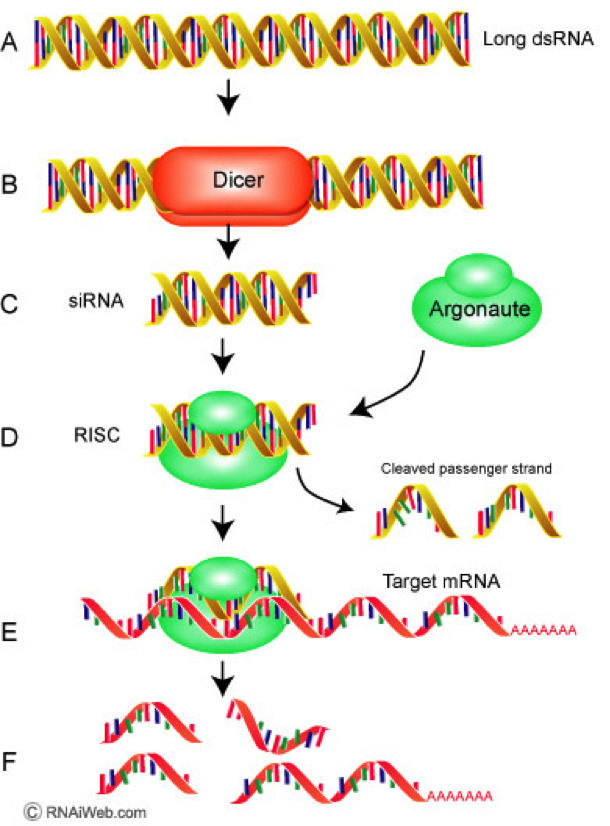
The diagram below gives a good summary on the standard RNAi process. Briefly,  dsRNA produced in the nucleus is transported to the cytoplasm; alternatively, exogenous dsRNA can be taken up by cells with the help of a cell surface protein. In the cytoplasm, dsRNA is cleaved by RNaseIII type enzymes (dicers) to produce approximately 22 bp fragments, called small interfering RNAs (siRNAs). One strand of the siRNA (guide strand) is incorporated into the RNA-induced silencing complex (RISC) with the perfectly complementary site in a target mRNA to form a guide strand-target mRNA duplex. The target mRNA is then sliced by the Argonaute protein of RISC.

(With permission from http://www.RNAiweb.com.)

Plants have RNA-dependant RNA polymerases (RdRPs) that accentuate the process as they extend the bound guide strand to create more dsRNA that can then re-enter the RNAi cycle. dsRNA delivered to insects by various routes has been seen to induce RNAi, however insects lack RdRPs and therefore require a large constant supply of siRNAs for sustained gene silencing. Herbivorous insects feeding on stably transformed transgenic host plants have been seen to take up the produced dsRNA molecules into their gut cells, causing post transcriptional gene silencing. Generation of these stable transgenic plant lines is a time consuming task, while transient plant transformation offers a faster and more versatile approach, allowing for a number of dsRNA products to be created as a quicker screening method.

Larvae of the tobacco hornworm Manduca sexta contain genes that encode for nicotine-catabolising enzymes, rendering them resistant to the toxic nicotine alkaloid produced by their host plant Nicotiana attenuata. It was previously seen that some cytochrome P450 (CYP) genes were up-regulated in the larval gut in response to nicotine ingestion (CYP4M1 and CYP4M3 genes) and CYP6B46 was down-regulated when fed on nicotine suppressed plants.

In this paper the tobacco rattle virus (TRV) was used to transiently produce dsRNAs in Nicotiana attenuata – this approach was termed plant-virus based dsRNA producing system (VDPS) – in comparison to stably transformed plants – termed plant mediated RNAi (PMRi) for the silencing of these lepidopteran genes.

They initially checked to see if M. sexta could indeed take up the dsRNA and cause PMRi. It was observed that when the larvae were fed on a transgenic plant expressing dsRNA for the CYP6B46 gene, there was CYP6B46 smRNA found in the midgut and a reduction in the CYP6B46 transcript levels was observed, effectively causing silencing of the gene. It was very specific as the transcript levels of a similar gene (CYP6B45 – 80% similarity) was not affected. The VDPS was tested and compared to the PMRi for the same target and produced comparable silencing, that was also highly specific and did not cause any “off-target” effects.

Since the VDPS is a more rapid technique and was seen to be comparable to the PMRi, it was therefore used to screen the other gene targets – CYP4M1 and CYP4M3. Again the smRNAs for each were seen to be present in the midgut of the larvae when fed on the plants and the transcript levels were reduced with high specificity. The reduction of the CYP4M3 transcription levels also caused larval growth to decrease, indicating that this gene may a central role in nicotine tolerance.

The length of the dsRNA is known to have an effect on RNAi experiments and it would be ideal if the lengths were standardised. It is possible that the lepidopteran dicers that function in extremely alkaline environments of the midgut are specialized and possess different dicing properties than the plant dicers; consequently, insect-dicer diced smRNA might be more effective than the plant-dicer diced smRNA in gene silencing in insects.

Plant Dicers (DCLs) are involved in the biogenesis of smRNA by cleaving longer dsRNA. Four different types of DCLs are reported in higher plants. Their function has been found to overlap in plants, suggesting that one DCL can contribute to and/or compensate for the function of the others. Hence, more than one DCL might be involved in processing long dsRNA.

To address this they then silenced different combinations of the four N. attenuata’s Dicer genes in the transgenic PMRi lines producing CYP6B46 dsRNA. Long CYP6B46 transcript levels in the plants was found to be increased more than 50 fold when the DCL 1,3,4 or DCL 2,3,4 were co-silenced. These then lead to an enhanced silencing effect in the larvae midgut, indicating that there could be a preference for insect diced smRNAs or simply that the larger dsRNAs were more stable and the higher concentration enhanced the silencing effect. It also suggests that the plant and insect RNAi machinery respond differently to the dsRNA.

In conclusion PMRi can be a specific and robust system of gene silencing in M. sexta. PMRi would be the method of choice for crop protection in countries which allow the growth of transgenic crops. While retaining all the virtues of PMRi, VDPS promises to be a rapid and high throughput alternative, suitable for ecological research.

This article has been a short review of the journal article stated below. For more in depth information on this research, follow the link and download the freely available journal article.

The origin of HIV: still so much garbage out there

20 February, 2012

While curating Virology News today, I came across another reprocessing of new that I had come across earlier concerning apparent natural protection of some African female sex workers against HIV infection: this was the intriguingly-entitled “African women’s genitals provide clue to HIV prevention“, in what appears to be an online Nigerian newspaper.

This recapitulates, very accurately, the information I reported in Virology News, which was the subject of a news release following the publication in the September 2011 edition of PLoS One of a study entitled “High Level of Soluble HLA-G in the Female Genital Tract of Beninese Commercial Sex Workers Is Associated with HIV-1 Infection”.  The gist of this is that:

“HIV-resistant sex workers in Africa have a weak inflammatory response in their vaginas – a surprise for the researchers, who were expecting the contrary considering the women’s high exposure to the virus.”

This may lend further credence to the observation that progression to AIDS in HIV-infected people is associated with a state of chronic immune activation – and that SIV-infected vervet monkeys do not exhibit such chromic immune activation, and do not progress like humans do.

What is interesting about the Nigerian article, however, is not what it reports – it is the online comments that follow it.  Here is a selection:

“Was HIV realy discovered in Africa ? Forget the western media propaganda . I have believed , for years , that HIV is a laboratory virus designed for genocide in the thick of apartheid inhuman policies in South Africa .”

“Neither did HIV originate  nor was it perculiar to Africa. It was the creation of the Western countries to stsyematically reduce African population. that the subjects of this study were exposed to HIV virus attests to this fact.”

And my personal favourite:

“So you have already swallowed up the white propaganda that the AIDS virus was first discovered in 1981 in a remote area of central Africa in the green monkey!  A fairy tale, which never explains why prior to its first clinical detection among western homosexual men in the late seventies, no case was found in Africans, and no animal or human population died off in Africa, yet the homosexual population of the west was seriously threatened until their protected sex campaign took off.

You must be unaware that about 35 years ago the Soviet KGB told the world the truth about AIDS….

Jakob Segal, a former biology professor at Humboldt University in then-East Germany, proposed that HIV was engineered at a U.S. military laboratory at Fort Detrick, by splicing together two other viruses, Visna and HTLV-1. According to his theory, the new virus, created between 1977 and 1978, was tested on prison inmates who had volunteered for the experiment in exchange for early release. He further suggested that it was through these prisoners, most of who were homosexuals, that the virus was spread to the population at large.”

What is depressing is that there is just one comment saying “…where HIV started is of little significance now. the issue is that our brothers Africans are the ones affected so we must work hard to find the cure and save our brothers.”

What is obvious is that, even in an environment such as one of the most developed nations in Africa, where intelligent science reporting is happening, the public seems to be alarmingly misinformed about the origin of HIV and predisposed to believe racist conspiracy theories that were debunked years ago.

FACT:
HIV did not come from “green monkeys” and was not discovered in 1981: the virus was described in 1983 and 1984, and HIV entered the  human population in central Africa multiple times, from chimpanzees and possibly also from gorillas, almost certainly via bushmeat – and this happened in the 1930s or even earlier.

FACT:
HIV could not possibly have resulted  from the splicing together of Visna virus and HTLV-1, as no HIV sequence bears any strong resemblance to either virus – and especially not to both of them in different parts of their genomes, as they would be expected to if they were artificial recombinants.  Moreover, the first HIV that has been reliably dated comes from a sample taken in the Congo in 1959.

All of these facts can be easily discovered by a trawl of either the scientific literature, or a first-level digest of that literature by reputable journalists.  All else is fiction…and malicious fiction at that, whether or not such supposed luminaries as Thabo Mbeki believe it.

12th May 2015

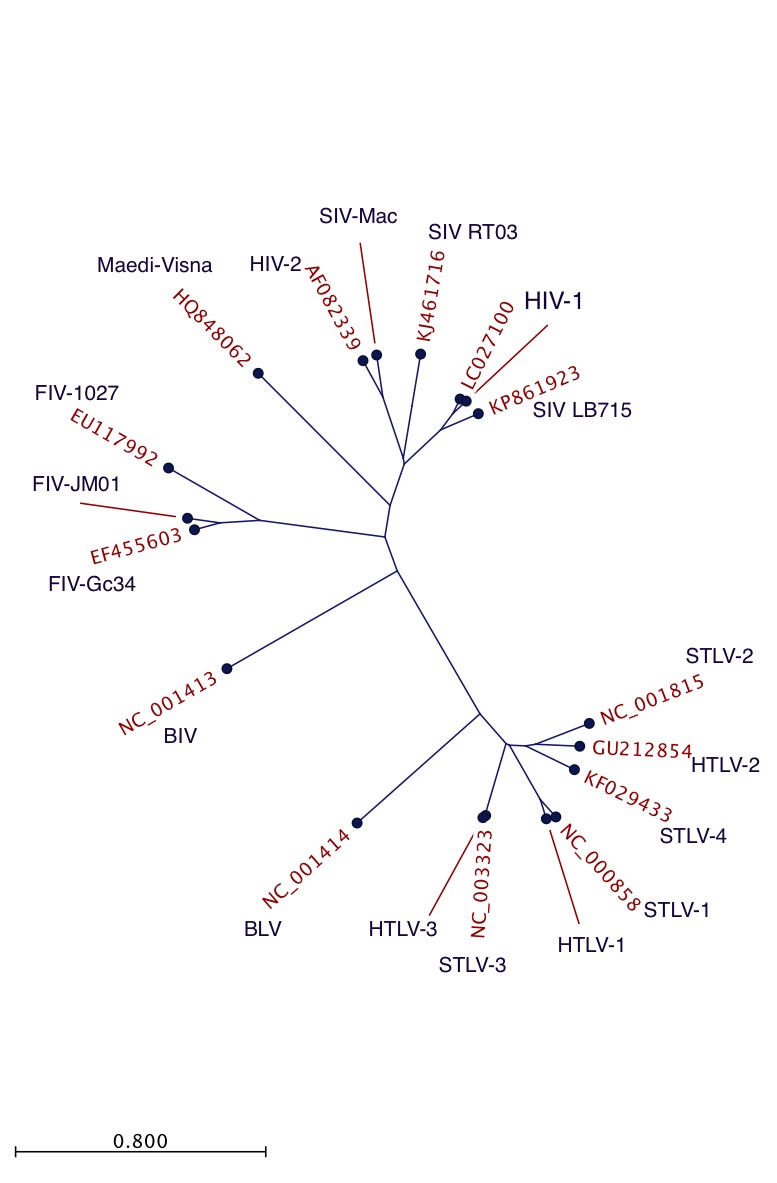
ANOTHER note added in response to Timothy Julian, below, who seems not to understand anything about retrovirus and especially lentivirus evolution.  Here is an unrooted radial relationship diagram (aka “phylogenetic” diagram) depicting whole genome sequence relationships between HIV-1, HIV-2, 2 SIVs, Maedi-Visna ad bovine leukaemia viruses, feline and bovine immunodeficiency and human and simian T-cell lymphotropic viruses.  Done by me today from Genbank sequences, using CLC Genomics Workbench ver 7.

Radial tree for retrovirus complete genome sequences

Radial tree for retrovirus complete genome sequences

What it shows is that:

  • there is a distinctive clustering of HIVs and of SIVs, with MVV as a apparently closer relative than the FIVs, in a cluster of lentiviruses that includes BIV – and I note HIV-1 is more closely related to an SIV than it is to HIV-2, and there are three branches to the H/SIV tree ALL of which are internal to MVV and the FIVs and BIV.
  • the H/STLVs cluster together as relatives, with HTLV-1/2/3 being most closelt related to STLV-1/2/3 – which, seeing as the HTLVs are supposed to have derived from the STLVs, is hardly surprising.
  • BLV is only distantly related to the TLV cluster, as is expected given that it is a leukaemia virus but one of a very different species

If HIV-1 derives from artificial constructs derived from FIVs, which are less closely related to  them than is MVV, then is the same true for the whole primate cluster?  Really?  When it is pretty obvious that they are (a) evolutionarily related most closely to one another, (b) evolutionarily diverged to quite a considerable extent?  So were they all made individually??  Then cleverly given to different bush-dwelling primates in Africa?  How desperately unlikely is that??  You appear not to have heard of teh principle of parsimony, which is that the simplest explanation that covers all of the facts is probably correct – which in this case, is that both HIVs and all of the SIVs have a common evolutionary origin, thousands of years ago – and that all lentiviruses also have a common origin, millions of years ago.

Seriously, Timothy: give it a rest.  You know less than Jon Snow.

A life in Virology

15 February, 2012

With a group of my UCT Medical School colleagues, I have been attending reasonably regular informal talks by Professor Keith Dumbell, formerly of St Mary’s Hospital, London, the University of Liverpool, and UCT.

Keith is a poxvirus expert, and was involved in the eradication of smallpox. He has also lived through several eras of modern virology, starting in 1945 in the pre-DNA and electron microscope days, through the advent of tissue culturing viruses, to the application of recombinant DNA techniques to viruses – and has a treasure trove of fascinating stories he is sharing with us.

Mostly about viruses, but occasionally about the characters involved as well. And the fact that any virologist worth their salt in the 1950s had to have skills in cutting sections, culturing viruses in eggs, centrifugation techniques, and keeping a veritable zoo of small animals.

I hope to get his permission to release a DVD of his reminiscences some day.

Scoop.it: Virology News

11 February, 2012

This is just to announce that I will be regularly posting “Virology News” updates on a new Scoop.it site I have just set up – as well as occasionally updating another Scoop.it site – “Virology and Bioinformatics from Virology.ca” – which is curated by Chris Upton, of Univ Victoria in Canada.

Even more ways to get your daily viral fix…B-)

And while they were arguing about killer H5N1…

8 February, 2012

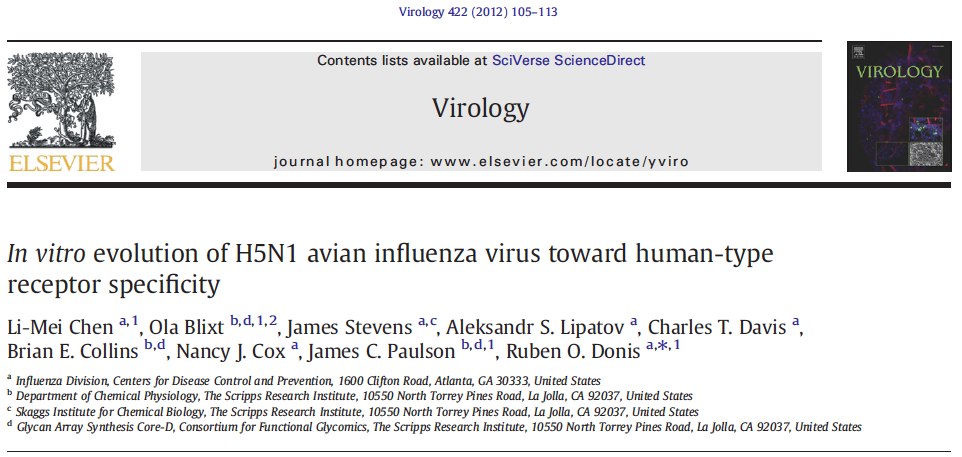
…Elsevier’s Virology was calmly publishing another paper on a “mutant” H5N1….

The abstract:

Acquisition of α2-6 sialoside receptor specificity by α2-3 specific highly-pathogenic avian influenza viruses (H5N1) is thought to be a prerequisite for efficient transmission in humans. By in vitro selection for binding α2-6 sialosides, we identified four variant viruses with amino acid substitutions in the hemagglutinin (S227N, D187G, E190G, and Q196R) that revealed modestly increased α2-6 and minimally decreased α2-3 binding by glycan array analysis. However, a mutant virus combining Q196R with mutations from previous pandemic viruses (Q226L and G228S) revealed predominantly α2-6 binding. Unlike the wild type H5N1, this mutant virus was transmitted by direct contact in the ferret model although not by airborne respiratory droplets. However, a reassortant virus with the mutant hemagglutinin, a human N2 neuraminidase and internal genes from an H5N1 virus was partially transmitted via respiratory droplets. The complex changes required for airborne transmissibility in ferrets suggest that extensive evolution is needed for H5N1 transmissibility in humans. [my emphasis – Ed]

I have covered the use of glycan arrays to characterise influenza viruses’ binding specificity previously; I thought then, and do now, that it is a very cool technology – and one that has shown in this case that H5N1 variants can be selected from an originally “wild” population, that preferentially bind the human-type receptor.

And they did it like this:

To examine the functional evolution of H5 HA receptor specificity in the laboratory, we implemented an in vitro receptor-binding virus enrichment approach that recapitulates in vivo selection. Synthetic 6′-sialyl (N-acetyl-lactosamine) (6′ SLN) was used as the affinity ligand mimicking the human receptor to capture spontaneous viral receptor variants on the surface of magnetic beads. Starting with a pool of 108 EID50 of A/Vietnam/1203/2004 (VN04 virus), we performed four consecutive rounds of in vitro binding and elution followed by isolation of 150 individual virus clones by plaque purification and characterization by sequence analysis.

No “genetic engineering” here – or furore over “killer viruses escaping the lab!”  Possibly because (a) “mutant virus was transmitted by direct contact in the ferret model although not by airborne respiratory droplets”, and (b) “a reassortant virus with the mutant hemagglutinin, a human N2 neuraminidase and internal genes from an H5N1 virus was partially transmitted via respiratory droplets” [my emphasis].

Meaning they didn’t actually make anything that could immediately elicit such scare-mongering as the more notorious studies I and many others have reported on previously.

However, the grim NSABB folk were quick to decry the publication, saying “”I think it is fair to say that we would have liked to have seen it before it was published,” [Paul Keim, chairman of the National Science Advisory Board for Biosecurity], and the “…altered bird flu virus could mutate in dangerous ways if unleashed in nature”.

I am more worried, to be perfectly honest, over the dangerous ways the the wild type virus could mutate IN nature, given that mutants can be selected so apparently easily!

A Short History of the Discovery of Viruses – Part 2

7 February, 2012

The following text has now appeared in modified form in an ebook, for sale for US$4.99 on the iBooks Store

The Ultracentrifuge, Eggs and Flu

The ultracentrifuge

A technical development that was to greatly advance the study of viruses was begun in 1923, but only reached fruition by the 1930s: this was the ultracentrifuge, invented and developed first by Theodor (“The”) Svedberg in Sweden as a purely analytical tool, and later by JW Beams and EG Pickels in the USA as an analytical and preparative tool.  The ultracentrifuge revolutionised first, the physical analysis of proteins in solution, and second, the purification of proteins, viruses and cell components, by allowing centrifugation at speeds high enough to allow pelleting of subcellular fractions.

Analytical centrifugation and calculation of molecular weights of particles gave some of the first firm evidence that certain proteins, and virus particles, were large, regular objects.  Indeed, it came to be taken as a given that one of the fundamental properties of a virus particle was its sedimentation coefficient, measured in svedbergs (a unit of 10-13 seconds, shown as S20,W).  This is also how ribosomes of pro- and eukaryotes came to be named: these are known as 70S (prokaryote) and 80S ribosomes, respectively, based on their different sedimentation rates.

The Official Discovery of Influenza Virus

In 1931, Robert Shope in the USA managed to recreate swine influenza by intranasal administration of filtered secretions from infected pigs.  Moreover, he showed that the classic severe disease required co-inoculation with a bacterium – Haemophilus influenza suis – originally thought to be the only agent.  He also pointed out the similarities between the swine disease and the Spanish Flu, where most patients died of secondary infections.  However, he also suggested that the virus survived seasonally in a cycle involving the pig, lungworms, and the earthworm, which is now known to be completely wrong.

This notwithstanding, he found that people who had survived infection during the 1918 pandemic had antibodies protecting them against the swine flu virus, while people born after 1920 did not, which showed that the 1918 human and swine flu viruses were very similar if not identical. This was a very relevant discovery for what happened much later, in the 2009 influenza pandemic, when the same virus apparently came back into the human population from pigs after circulating in them continuously since 1918.

Shope went on in 1932 to discover, with Peyton Rous, what was first called the Shope papillomavirus and later Cottontail rabbit papillomavirus: this causes benign cancers in the form of long hornlike growths on the head and face of the animal. This may explain the sightings in the US Southwest of the near-mythical “jackalope”.

Influenza viruses in pigs

Influenza viruses in pigs

Patrick Laidlaw and William Dunkin, working in the UK at the National Institute for Medical Research (NIMR), had by 1929 successfully characterised the agent of canine distemper – a relative of measles, mumps and distemper morbilliviruses – as a virus, proved it infected dogs and ferrets, and in 1931 got a vaccine into production that protected dogs.  This was made from chemically inactivated filtered tissue extract from infected animals.  Their work built on and completely eclipsed earlier findings, such as those of Henri Carré in France in 1905, who first claimed to have shown it was a filterable agent, and Vittorio Puntoni, who first made a vaccine in Italy from virus-infected brain tissue inactivated with formalin in 1923.

Influenza and Ferrets: the Early Days

Continuing from Laidlaw and Dunkin’s work in the same institute, Christopher Andrewes, Laidlaw and W Smith reported in 1933 that they had isolated a virus from humans infected with influenza from an epidemic then raging.  They had done this by infecting ferrets with filtered extracts from infected humans – after the fortuitous observation that ferrets could apparently catch influenza from infected investigators!  The “ferret model” was very valuable – see here for modern use of ferrets – as strains of influenza virus could be clinically distinguished from one another.

Eggs and Flu and Yellow Fever
Influenza virus and eggs: large-scale culture

Frank Macfarlane Burnet from Australia visited the NIMR in the early 1930s, and learned a number of techniques he used to great effect later on.  Principal among these was the technique of embryonated egg culture of viruses – which he took back to Melbourne, and applied to the infectious laryngotracheitis virus of chickens in 1936.  This is a herpesvirus, first cultivated by JR Beach in the USA in 1932: Burnet used it to demonstrate that it was possible to do “pock assays” on chorioallantoic membranes that were very similar to the plaque assays done for bacteriophages, with which he was also very familiar.  Also in 1936, Burnet started a series of experiments on culturing human influenza virus in eggs: he quickly showed that it was possible to do pock assays for influenza virus, and that

“It can probably be claimed that, excluding the bacteriophages, egg passage influenza virus can be titrated with greater accuracy than any other virus.”

Max Theiler and colleagues in the USA took advantage of the new method of egg culture to adapt the French strain of yellow fever virus (YFV) he had grown in mouse brains to being grown in chick embryos, and showed that he could attenuate the already weakened strain even further – but it remained “neurovirulent”, as it caused encephalitis or brain inflammation in monkeys.  He then adapted the first YFV characterised – the Asibi strain, from Ghana in 1927 – to being grown in minced chicken embryos lacking a spinal cord and brain, and showed in 1937 that after more than 89 passages, the virus was no longer “neurotrophic”, and did not cause encephalitis.   The new 17D strain of YFV was successfully tested in clinical trials in Brazil in 1938 under the auspices of the Rockefeller Foundation, which has supported YFV work since the 1920s.  The strain remains in use today, and is still made in eggs.

Virus purification and the physicochemical era

Given that the nature of viruses had prompted people to think of them as “chemical matter”, researchers had attempted from early days to isolate, purify and characterise the infectious agents.  An early achievement was the purification of a poxvirus in 1922 by FO MacCallum and EH Oppenheimer. 

Much early work was done with bacteriophages and plant viruses, as these were far easier to purify or extract at the concentrations required for analysis, than animal or especially human viruses. 

CG Vinson and AM Petre, working with the infectious agent causing mosaic disease in tobacco – tobacco mosaic virus, or TMV – showed in 1931 that they could precipitate the virus from suspension as if it were an enzyme, and that infectivity of the precipitated preparation was preserved.  Indeed, in their words:

“…it is probable that the virus which we have investigated reacted as a chemical substance”.

Viruses in Crystal

An important set of discoveries started in 1935, when Wendell Stanley in the USA published the first proof that TMV could be crystallised, at the time the most stringent way of purifying molecules.  He also reported that the “protein crystals” were contaminated with small amounts of phosphorus.  An important finding too, using physical techniques including ultracentrifugation and later, electron microscopy, was that the TMV “protein” had a very high molecular weight, and was in fact composed of large, regular particles.  This was a very significant discovery, as it indicated that some viruses at least really were very simple infectious agents indeed.
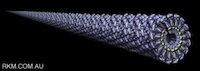
TMV particle: 95% protein, 5% RNA

However, his conclusion that TMV was composed only of protein was soon challenged, when Norman Pirie and Frederick Bawden working in the UK showed in 1937 that ribonucleic acid (RNA) – which consists of ribose sugar molecules linked by phosphate groups – could be isolated consistently from crystallised TMV as well as from a number of other plant viruses, which accounted for the phosphorus “contamination”.  This resulted in the realisation that TMV and other plant virus particles – now known to be virions – were in fact nucleoproteins, or protein associated with nucleic acid.

Stanley received a share of the Nobel Prize in Chemistry in 1946 for his work on TMV: it is instructive to read his acceptance speech from the time to realise what the state of the science that was becoming virology was at the time.  He wrote:

“Since the original discovery of this infectious, disease-producing agent, known as tobacco mosaic virus, well over three hundred different viruses capable of causing disease in man, animals and plants have been discovered. Among the virus-induced diseases of man are smallpox, yellow fever, dengue fever, poliomyelitis, certain types of encephalitis, measles, mumps, influenza, virus pneumonia and the common cold. Virus diseases of animals include hog cholera, cattle plague, foot-and-mouth disease of cattle, swamp fever of horses, equine encephalitis, rabies, fowl pox, Newcastle disease of chickens, fowl paralysis, and certain benign as well as malignant tumors of rabbits and mice. Plant virus diseases include tobacco mosaic, peach yellows, aster yellows, potato yellow dwarf, alfalfa mosaic, curly top of sugar beets, tomato spotted wilt, tomato bushy stunt, corn mosaic, cucumber mosaic, and sugar cane yellow stripe. Bacteriophages, which are agents capable of causing the lysis of bacteria, are now regarded as viruses”.

Two of the most interesting things about the article, however, are the electron micrographs of virus particles – Stanley had one of the first electron micrsoscopes available at the time –  and the table of sizes of viruses, proteins and cells that had been determined by then by techniques such as ultracentrifugation and filtration: TMV was known to be rodlike, 15 x 280 nm; vaccinia was 210 x 260 nm; poliomyelitis was 25 nm; phages like T2 were known to have a head-and-tail structure.

Seeing is Believing: the Electron Microscope

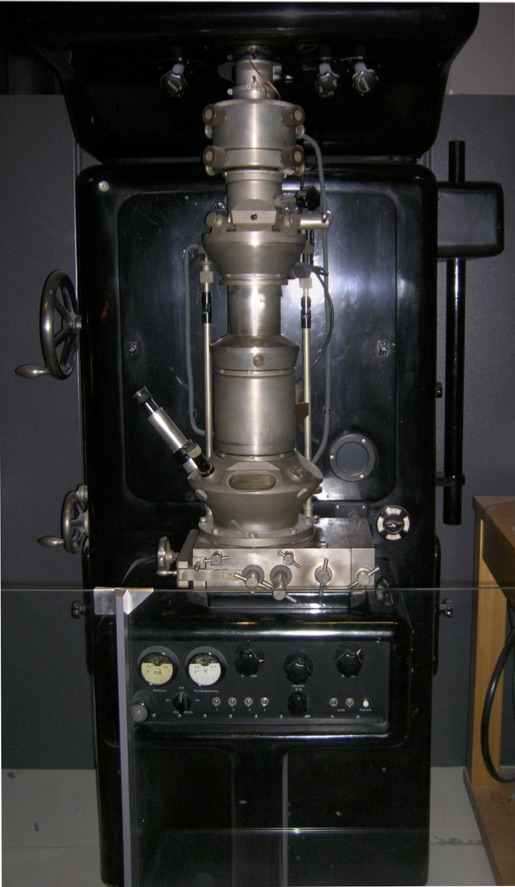
First Electron Microscope with Resolving Power Higher than that of a Light Microscope. Ernst Ruska, Berlin 1933 Wikipedia CC BY-SA 3.0, https://www.flickr.com/photos/93452909@N00/176059674

First Electron Microscope with Resolving Power Higher than that of a Light Microscope. Ernst Ruska, Berlin 1933
Wikipedia CC BY-SA 3.0, https://www.flickr.com/photos/93452909@N00/176059674

The development of the electron microscope, in Germany in the 1930s, represented a revolution in the investigation of virus structures: while virions of viruses like variola and vaccinia could just about be seen by light microscopy – and had been, as early as 1887 by John Buist and others – most viruses were far too small to be visualised in this way. 

While Ernst Ruska received a Nobel Prize in 1986 for developing the electron microscope, it was his brother Helmut who first imaged virus particles – using beams of electrons deflected off virus particles coated in heavy metal atoms.  From 1938 through the early 1940s, using his “supermicroscope”, he imaged virions of poxviruses, TMV, varicella-zoster herpesvirus, and bacteriophages, and showed that they were all particulate – that is, they consisted of regular and sometimes complex particles, and were often very different from one another.  He even proposed in 1943 a system of viral classification on the basis of their perceived structure.

While electron microscopy was also used medically to some extent thereafter – for example, in differentiating smallpox from chickenpox by imaging particles of variola virus and varicella-zoster virus, respectively, derived from patients’ vesicles – its use was limited by the expense and cumbersome nature of sample preparation. For example, the micrographs in Stanley’s 1946 paper were all done with samples “…prepared with gold by the shadow-casting technique”.

The use of the cumbersome technique of metal shadow-casting, and the highly inconvenient nature of electron microscopy as a routine tool all changed from 1959 onwards, when Sydney Brenner and Robert Horne published “A negative staining method for high resolution electron microscopy of viruses”.  This method involves the use of viruses in liquid samples deposited on carbon-coated metal grids, and then stained with heavy-metal salts such as phosphotungstic acid (PTA) or uranyl acetate.

This simple technique revolutionised the field of electron microscopy, and within just a few years much information was acquired about the architecture of virus particles. Not only were the overall shapes of particles revealed, but also the details of the symmetrical arrangement of their components. Some beautiful examples can be seen here, at the Cold Spring Harbor site.

Depiction of the effects of using a heavy metal salt solution to negatively stain particles on a carbon film. The stain (dark) pools around the particles (light).  Human rotavirus particles, stained from below (left) and by immersion (right).
Images copyright LM Stannard

Depiction of the effects of using a heavy metal salt solution to negatively stain particles on a carbon film. The stain (dark) pools around the particles (light). Human rotavirus particles, stained from below (left) and by immersion (right).
Images copyright LM Stannard

Click here for Part 1: Filters and Discovery

here for Part 3: Phages, Cell Culture and Polio

and here for Part 4: RNA Genomes and Modern Virology

Copyright Edward P Rybicki and Russell Kightley, February 2015, except where otherwise noted.